New York state is reporting one of the highest numbers of cyclosporiasis cases in the country, according to data from the U.S. Centers for Disease Control and Prevention.
Cyclosporiasis is a gastrointestinal illness caused by the parasite Cyclospora cayetanensis, which typically peaks in the spring and summer months, usually between May and August, according to the New York State Department of Health.

Cases rise across New York
There have been 112 confirmed cases in New York state, excluding New York City, since Jan. 1, according to preliminary data from the state health department. Of those, 107 cases were reported since May 1.
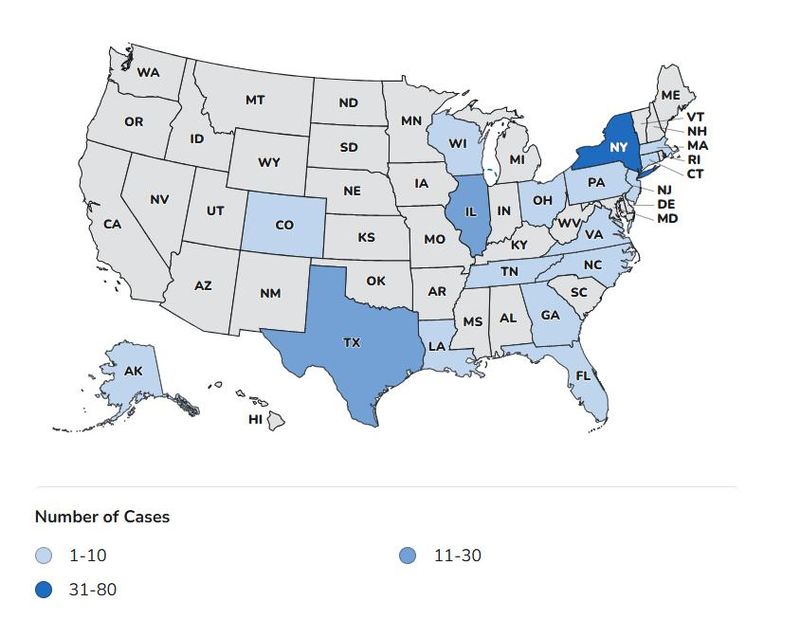
Nationwide, 145 cases have been reported across 17 states between May 1 and June 16, 2026, according to CDC data. The majority of cases have been reported in New York, though officials say there is no evidence of a single multistate outbreak linking them.
Local, state and federal health officials are investigating the cases.
“The New York State Department of Health takes the spread of diseases seriously and works with local health departments to identify potential outbreaks and provide guidance on prevention and treatment,” New York State Department of Health public information officer Marissa Crary said in an email. “While cyclosporiasis is not likely to spread directly from one person to another, and is generally not life-threatening as many people with healthy immune systems recover without treatment, the Department encourages all New Yorkers to be aware of the best practices to prevent Cyclospora and other infections common in the summer months.”
What is cyclosporiasis?
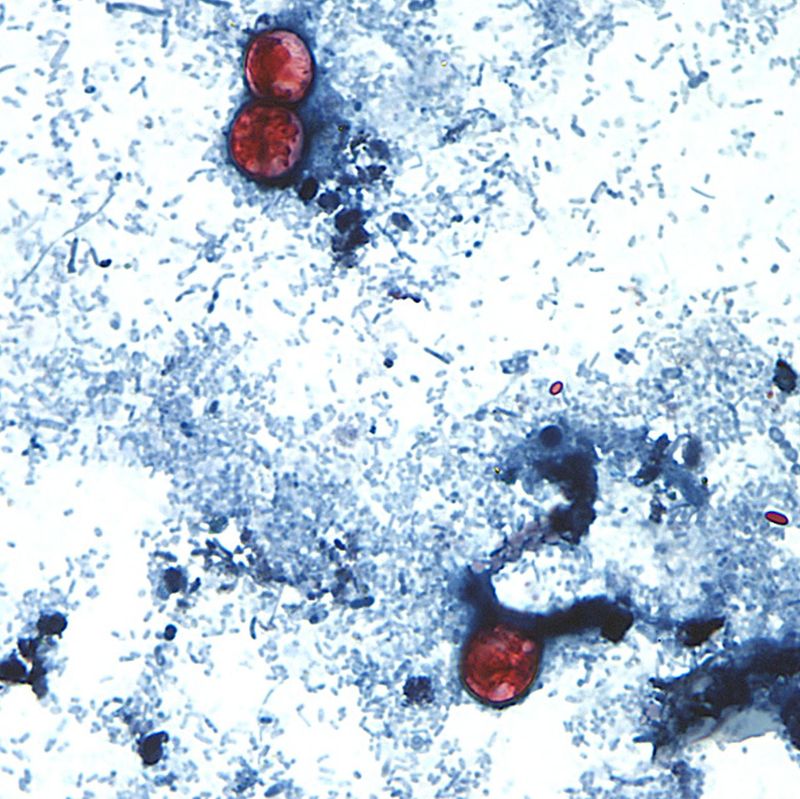
Cyclospora is a microscopic parasite that infects the small intestine and can cause diarrhea, according to the state health department.
The CDC says infections are typically not life-threatening, and no deaths have been reported as of June 16, 2026.
The parasite spreads when people consume food or water contaminated with feces and is not typically transmitted person to person. Cases are more common in tropical and subtropical regions but can occur in the United States, often linked to imported or domestic produce such as cilantro, salad mixes, basil, snow peas and raspberries.
Symptoms of cyclosporiasis
Symptoms may include:
Symptoms usually begin about one week after exposure but can appear anywhere from two days to two weeks later. In some cases, symptoms may come and go or not appear at all.
How it is treated
Health officials say people who suspect infection should contact a doctor, who can diagnose Cyclospora through a stool test. The illness is typically treated with antibiotics.
Those experiencing diarrhea are advised to rest and stay hydrated.
How to prevent infection
The New York State Department of Health recommends:
The CDC also recommends:
Cyclospora is not typically spread through recreational water, though other pathogens can be, according to health officials.
For more information, visit www.health.ny.gov/environmental/outdoors/swimming/.
—Madison Scott is a New York Connect reporter, covering entertainment, breaking and consumer news, and trending topics with a focus on stories that matter to readers across New York State. She also has an interest in how the system helps or doesn’t help families with missing loved ones. She can be reached at MDScott@USATodayco.com.
This article originally appeared on Rockland/Westchester Journal News: What to know as summer parasite cases climb to over 100 in New York
Reporting by Madison Scott, New York Connect Team / Rockland/Westchester Journal News
USA TODAY Network via Reuters Connect
By Madison Scott, New York Connect Team | USA TODAY Network