

By Rami Ayyub and Maayan Lubell
JERUSALEM, June 15 (Reuters) – Benjamin Netanyahu bet that his joint war alongside Donald Trump would topple Iran’s clerical rulers and bolster himself ahead of elections at home, as the architect of a U.S.-Israeli alliance that would reshape the Middle East.

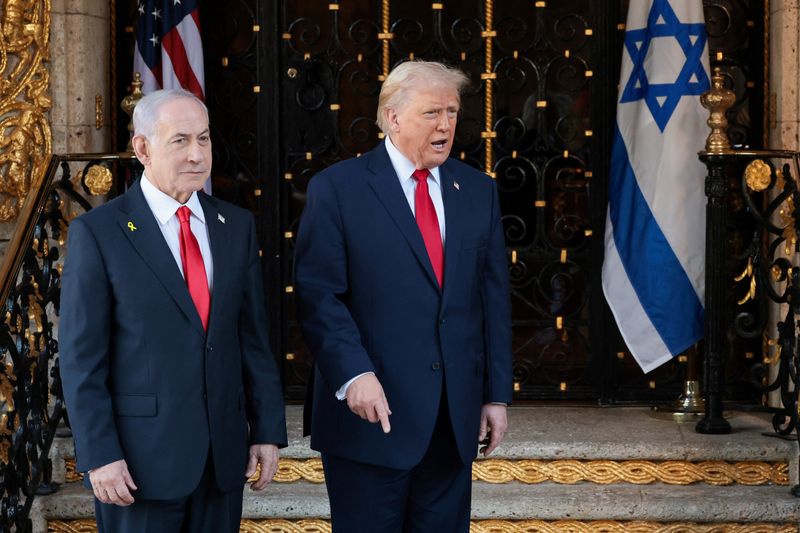
Instead, Israel’s longest-serving prime minister is on a collision course with Trump as the U.S. president seeks to extricate himself from the war, with both men’s goals unmet and Israeli military operations tied down in Lebanon.
For now, Israeli officials have been cautious in public for fear of angering their most important ally, known for being prickly towards critics.
But in private conversations, the frustration is clear. The preliminary agreement is “terrible for Israel,” said one senior Israeli official, giving a frank assessment on condition of anonymity. “And there is no one in the Israeli leadership who views it otherwise, from the prime minister to the chief of staff.”
Washington says that over the next 60 days, when a ceasefire is in place, it will negotiate full terms that will address U.S. and Israeli concerns, especially over Iran’s nuclear programme.
But Israeli officials told Reuters they thought the negotiating period under the deal was likely to be extended, tying Israel’s hands from taking military action, while its concerns remain unresolved.
Netanyahu and Trump have repeatedly clashed over Israel’s refusal to constrain its pursuit of Iran-backed Hezbollah in Lebanon, where a cessation of hostilities is a key Iranian demand.
At the start of the month, Trump described Netanyahu as “fucking crazy” in an angry phone call, ordering him not to strike Beirut while the U.S. was seeking a deal with Iran.
Netanyahu called off attacks that day, but struck Beirut’s southern suburbs a week later, provoking Iranian missile strikes on Israel and a public rebuke of both sides from Trump.
Hours before the U.S. and Iran announced their interim deal, Israel hit the Lebanese capital again on Sunday, after rockets were launched at Israel from Lebanon, fire Trump described as “small and meaningless”.
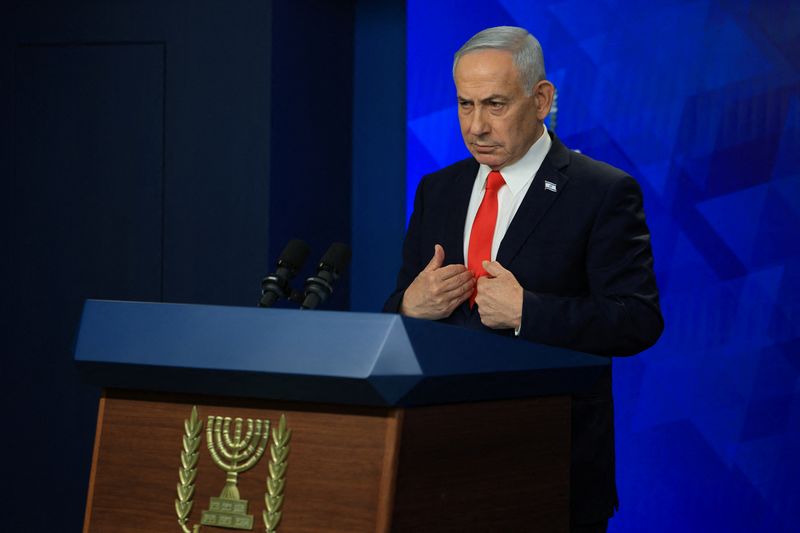
Netanyahu said that Israel has emerged “strong and steady,” with a leadership that stands firm and wise. At a press conference in Jerusalem late on Monday, he acknowledged that he and Trump have sometimes had their differences.
“He is the president of the United States, I am the prime minister of Israel. We many times see eye-to-eye and there are times when we see eye-to-eye less so. I am in charge of Israel’s security interests,” Netanyahu said.
Netanyahu, facing autumn elections he is projected to lose, may be more willing to defy Trump as he contends with an Israeli public that opinion polls show has grown sceptical of the U.S. president’s commitment to Israel’s security.
“This is a pretty stark moment of divergence of interests,” said Dan Shapiro, a former U.S. ambassador to Israel under the Obama administration, now with the Atlantic Council think tank.
“He will try to not openly oppose (the deal), so as not to get into a brawl with Trump,” said Shapiro. “But he will indicate Israel is not bound by it, and Israel reserves its rights.”
ISRAEL SAYS IT’S NOT BOUND BY U.S.-IRAN PACT
The memorandum of understanding between the U.S. and Iran is expected to be signed on Friday in Switzerland. While precise terms were not immediately known, mediator Pakistan said the pact called for a permanent halt to military operations on all fronts, including in Lebanon.
Netanyahu said that Israel would keep its forces in southern Lebanon and maintain ‘freedom of action’ against Hezbollah attacks.
“Iran wanted us to withdraw from it but I stood firm,” he told reporters. “We are keeping our freedom of action and we are keeping the security zone to protect (Israel’s) northern citizens,” he said.
The interim deal would reopen the Strait of Hormuz oil chokepoint while leaving the fate of Tehran’s nuclear programme to be resolved during a 60-day negotiation period towards a final deal.
Two other issues that Netanyahu and Trump had both declared as justifications for the war at its outset – curbing Iran’s missile programme and ending its support for regional armed groups – are not thought to be on the agenda during those talks.
Three Israeli officials said Israel sees it as very likely the 60-day pact will be extended to 90 days, with the U.S. maintaining its deployment of military assets in the region as it negotiates a broader deal.
Two other Israeli officials said that Israel was caught by surprise last week when Trump first said that a deal with Iran was close. They acknowledged that Israel has had little success in influencing the talks.
All of the officials spoke on condition of anonymity because they weren’t authorized to speak publicly.
NETANYAHU UNABLE TO SELL THIS AGREEMENT TO ISRAELI PUBLIC’, ANALYST SAYS
Netanyahu, who often clashed with Washington under the administrations of Democrats Barack Obama and Joe Biden, has long portrayed himself to the Israeli public as being uniquely adept in dealing with the Republican Trump.
During Trump’s first term, Israel secured major policy changes from Washington, which moved its embassy to Jerusalem and backed the Abraham Accords that brought Israel formal diplomatic ties with the UAE and Bahrain. On Iran, Trump ditched a nuclear agreement negotiated under Obama that Israel had long complained was too soft.
During elections in 2019, Netanyahu displayed massive campaign billboards in Tel Aviv and Jerusalem showing him and Trump smiling and shaking hands.
But now, the U.S.-Iran pact undermines Netanyahu’s case that a close relationship with Trump sets him apart from other candidates for prime minister, said Jonathan Rynhold, a political scientist at Bar-Ilan University, near Tel Aviv.
“(Netanyahu) will be unable to sell this agreement to the Israeli public,” Rynhold said. “The best that he can hope for is that they fail to reach an agreement and the war restarts to Israel’s advantage in 60 days.”
According to a poll released on Friday by the Israel Democracy Institute, just 41% of Jewish Israelis think their security is a central consideration for Trump, down from 64% in March.
Eli Cohen, Netanyahu’s energy minister, said that Israel would be prepared to act alone if Iran rebuilds its nuclear and missile capabilities, though he said the chances of Tehran taking that step during Trump’s tenure were low.
“If Iran tries to renew its nuclear and ballistic missile programmes – we will be there and act,” Cohen told Israel’s public broadcaster Kan.
(Reporting by Rami Ayyub, Maayan Lubell and Benjamin RaabEditing by Peter Graff)
By Rami Ayyub and Maayan Lubell | Reuters | © Copyright Thomson Reuters 2026.
