Cape Coral City Council moved public comment back to the beginning of its meetings, reversing a highly contested change made last year.
The council vote Wednesday, June 3, followed discussion of a disability accommodation request that raised new concerns about when residents are allowed to speak.

Under the change, citizen input will immediately follow “Recognitions and Achievements,” placing it ahead of the consent agenda and other business items. The change will take effect at the council’s next regular meeting July 15, after its summer hiatus.
Disability accommodation sparks change
City Attorney Aleksandr Boksner told council members that placing public comment at the end of meetings may not comply with federal disability law if residents are unable to wait hours before they can speak.
Last July, the council moved public comment from the beginning of meetings to the end and shifted the start time to 4 p.m., a change officials said would better accommodate people who work later hours.
Critics, however, argued the move limited public input before council votes are taken.
To address the ADA concern, the council considered several options, including moving the meeting start time, restoring public comment to the beginning of the agenda or establishing a specific “time certain” for residents requesting accommodations.
What did Cape Coral City Council members say?
Council members shared different takes on what the city should do.
Mayor John Gunter supported moving public comment earlier in the meeting so residents can speak before votes are cast.
“My suggestion would be to put citizens input directly after the recognitions,” Gunter said.
Councilmember Jennifer Nelson-Lastra backed that approach, calling it “the right thing to do,” while Councilmember Derrick Donnell said shifting the timing would likely resolve the legal concern.
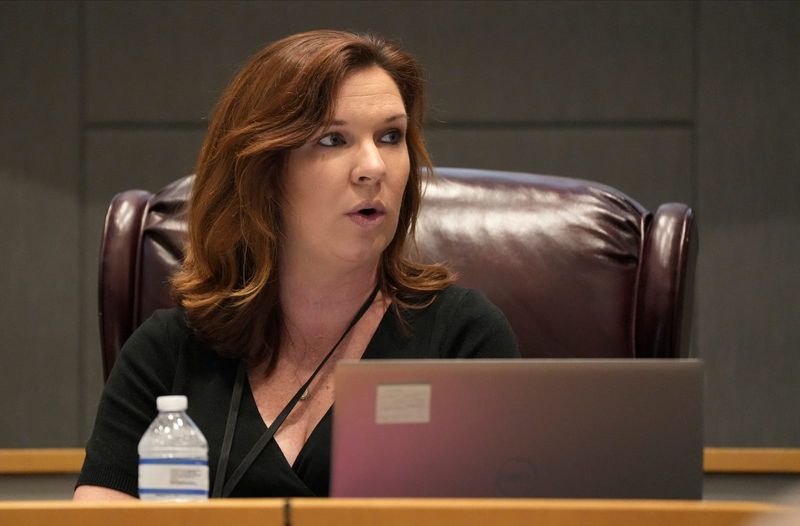
Councilmember Laurie Lehmann went further, proposing the city move all meetings to 9 a.m., arguing it could reduce overtime costs and strain on staff.
“It makes more sense,” Lehmann said, while acknowledging it could make attendance more difficult for working residents. “By moving it, we are then not paying overtime.”
‘Trojan horse’ concerns emerge
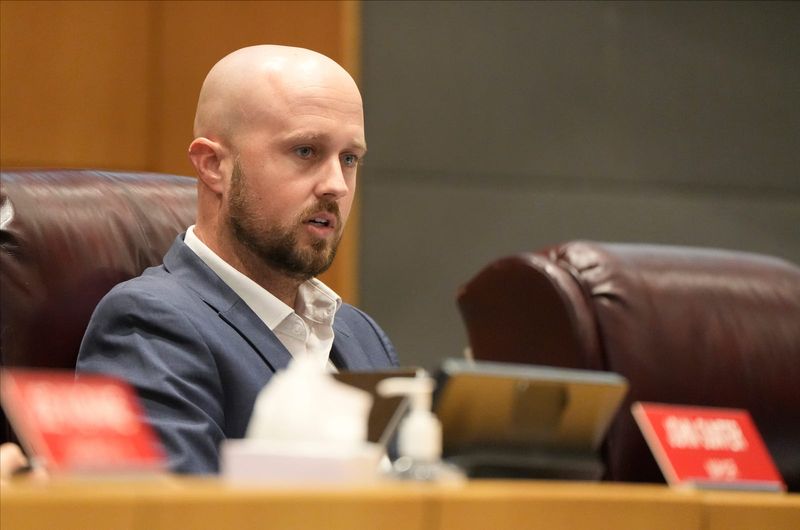
Councilmember Keith Long warned against using the ADA issue to justify moving meetings to the morning, calling the proposal a “Trojan horse.”
“I thought we were here to talk about moving input time to the front of the meetings for ADA purposes, and now essentially use this as what appears to be a Trojan Horse to catapult the meeting times to 9 a.m., which I wasn’t prepared to discuss,” Long said. “That’s, in and of itself, a little bit absurd.”
He said he would oppose changing the start time, arguing it could limit public access and that potential savings on overtime were unclear.
Long said he would support moving public comment earlier in the meeting as long as the meeting start time stayed at 4 p.m.
Councilmember Rachel Kaduk said simply moving public comment may not fully address the ADA concern.
She argued the council may need to set a specific time for public comment to ensure residents are not required to wait an unknown length of time.
Kaduk also raised concerns that changing meetings to the morning could make it harder for working residents and families to attend.
Debate over public participation isn’t new
The debate over public comment has been ongoing.
When the council voted 6-2 to move citizen input to the end of meetings in June 2025, city officials said the change would improve accessibility for residents who work until 5 p.m. But some residents argued it limited participation and suppressed dissent.
Cape resident Louis Navarra called the changes fascist and said they would end public participation. “Input time at the end of this council (meeting) is wrong,” he said last year. “By that time, it shows me that you had your minds made up anyway.”
Residents and experts also raised concerns that the policy might have violated Florida’s Sunshine Law, which requires officials to provide the public a reasonable opportunity to be heard before taking action.
Do you have an opinion about this topic? Write a letter to the editor and send it to letters@naplesnews.com and/or mailbag@news-press.com. Keep it to 250 words or fewer and include your contact info. Have more to say: Send a guest column of no more than 600 words.
Mickenzie Hannon is a watchdog reporter for The News-Press and Naples Daily News, covering Collier and Lee counties. Contact her at 239-435-3423 or mhannon@gannett.com.
Please support local community journalism and stay informed about Southwest Florida news by subscribing to The News-Press and Naples Daily News; download the free News-Press or Naples Daily News app, and sign up for daily briefing email newsletter, food & dining and growth & development newsletters here and here.
This article originally appeared on Fort Myers News-Press: ‘Trojan horse’? Cape Coral meeting rules reverse after disability plea
Reporting by Mickenzie Hannon, Fort Myers News-Press & Naples Daily News / Fort Myers News-Press
USA TODAY Network via Reuters Connect
By Mickenzie Hannon, Fort Myers News-Press & Naples Daily News | USA TODAY Network