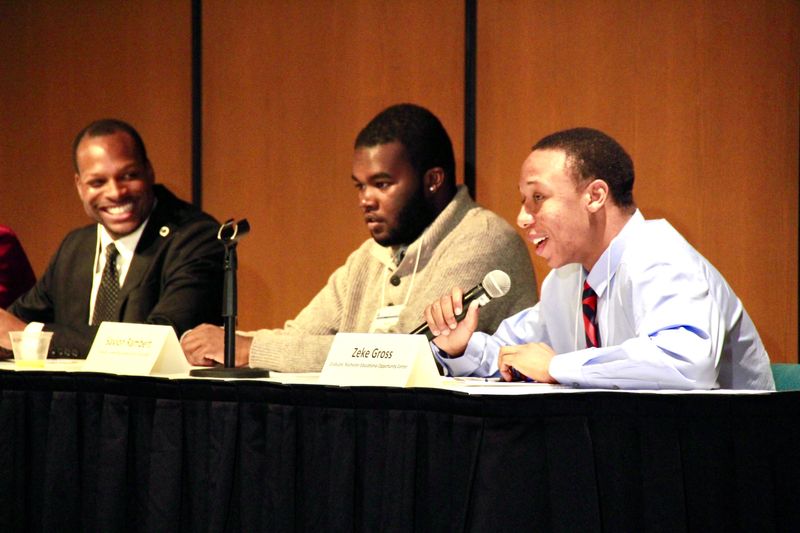
Twelve years ago, Zeke Gross showed up to Teen Empowerment with an ankle monitor and an interest in finding a new path. He was 17 years old, on the precipice of adulthood.
Dewey Avenue was his playground, with house parties, football games and pickup basketball tournaments highlighting the best parts of his childhood. That same neighborhood, however, was also marked by danger: Street gangs, gun violence and the drug trade. At times those negative influences have held a tight grip on the city’s youth.

Gross found himself kicked out of school and incarcerated as a young teen.
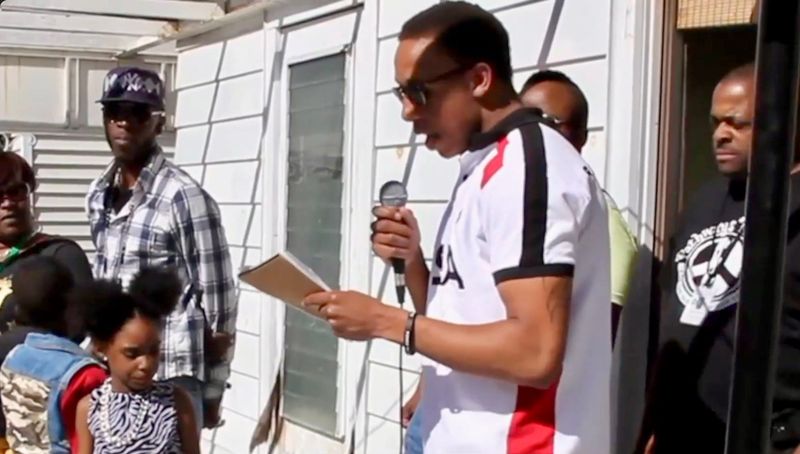
“I lost friends — that died on this corner, all throughout Dewey, all throughout this side,” he said. “So when it comes to challenges, from things coming to my house, losing friends, to dealing with police, to fights, trauma, to laughing… I feel like I have experienced a little bit of all of the aspects (of Dewey Avenue) — all the challenges that they could throw my way.”
Teen Empowerment represented a chance at a new beginning.
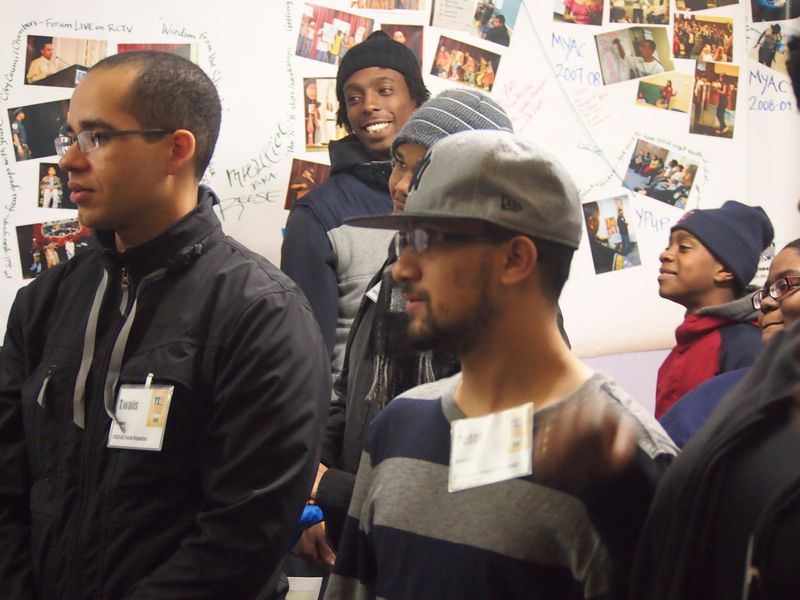
Back then, the nonprofit only had one location ― across town on Genesee Street. It hired a small group of vulnerable teenagers as youth organizers, empowering them to use their voices for change. This year, Teen Empowerment opened its third location; this one is back in Gross’ Dewey Avenue neighborhood.
The Democrat and Chronicle caught up with Teen Empowerment alumni from Dewey Avenue as part of a series that examines recent changes in the neighborhood. How did their time with Teen Empowerment alter their life’s course? What might the new youth center represent for the next generation of Dewey Avenue teens?
Growing up on Dewey Avenue
Tajh Ryland-Iverson’s memories of his upbringing on Dewey Avenue echo Gross’ stories.
He was 8 years old when he moved to the neighborhood. It was 1998 and there was always a football game on the day’s agenda.
“Everybody played — even people we grew up having problems with — everybody was cool,” Ryland-Iverson said. “Wake up every morning, knocking door to door, trying to get everybody to come out. That was the best thing when I was growing up.”
Around 2001 and 2002, Ryland-Iverson noticed a shift in the neighborhood. He lived on Augustine Street but would have to walk along Dewey to meet friends who lived on the other side of the corridor.
“It was a bunch of little kids with egos, and we were from different sides,” he said. “So, I had a bunch of little tussles over there. I had to walk home; I had to walk through everybody I had problems with.”
Those problems escalated with time. By 2006, Ryland-Iverson’s cousin was killed. The following year, his friends started dying in street conflicts. When he reflects on growing up in the area, Ryland-Iverson said that as a kid, he didn’t view what they were doing as troublesome ― but as he got older he knew his actions were causing problems as he found himself in and out of juvenile detention.
It seemed like he was destined for despair, further constricted by probation rules that piled on additional consequences for minor behavioral issues like talking back to a teacher and an era of over-policing that left Ryland-Iverson constantly on alert.
“It’s like, whether you are good or bad, you’re going to jail anyways ― that’s how I felt at the time,” he said.
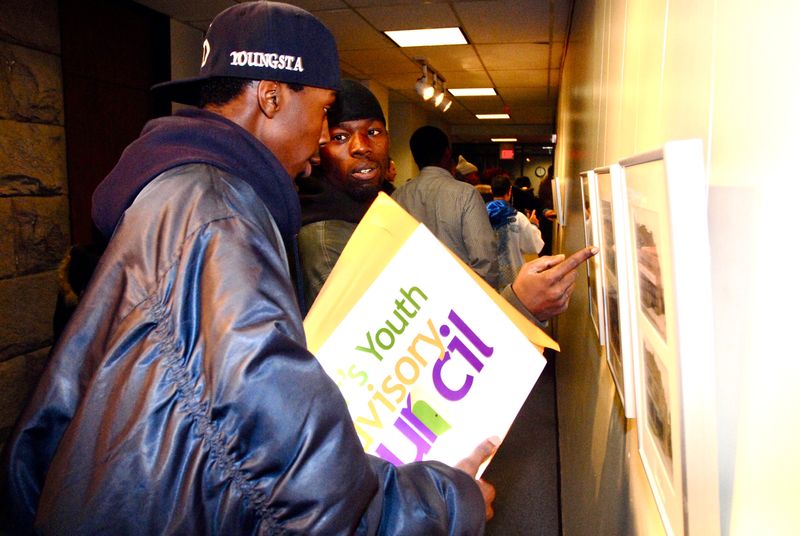
His mindset began to change after he was connected with Teen Empowerment and the Mayor’s Youth Advisory Council, where he was offered a space to speak freely about how he felt.
Teen Empowerment offers young people a voice
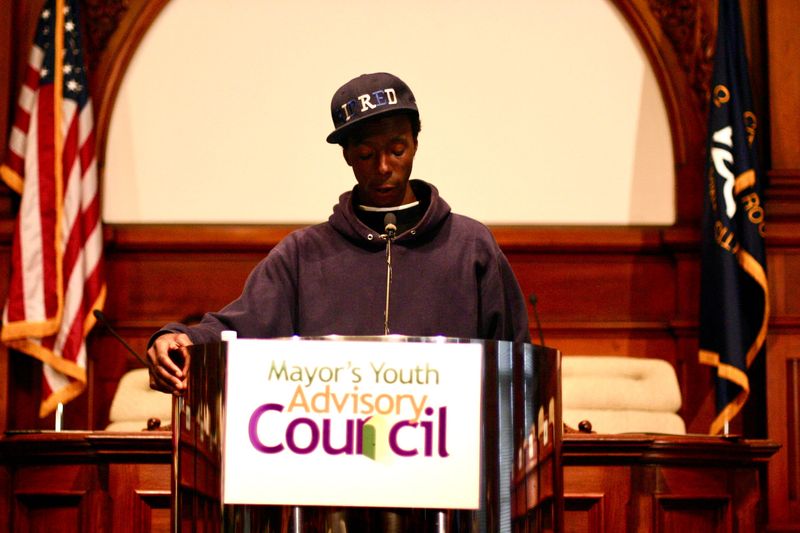
The Mayor’s Youth Advisory Council started as a Robert Duffy initiative in the early 2000s as a way to connect with young voices. Duffy asked Teen Empowerment to run the program.
Teen Empowerment Executive Director Doug Ackley said the nonprofit agreed ― but on the condition that the council would also include justice-involved teenagers, not just high-achieving students.
“We wanted the Mayor’s Youth Advisory Council to really represent all of Rochester,” Ackley said. “That’s why we saved these positions for young people who have been out there, who have been involved in other things, who maybe don’t connect with an organization.”
Ryland-Iverson was referred to the group by his probation officer. He recalled a time when Teen Empowerment organized a conversation with police, the mayor and community officials and allowed them the opportunity to just talk and tell them exactly what was on their mind.
As he continued working with Teen Empowerment, staff there pushed him to apply for more jobs and provided advice when it came to personal issues. Today, the 35-year-old works in overnight contracting and has a 2-year-old son.
Gross, who joined the program a few years later, described it as a similarly transformative experience. During his time with Teen Empowerment, he formed strong bonds with other youth organizers and staff and found himself less worried about outside troubles. He’s now a 29-year-old truck driver.
“My whole thought process of being in the streets was totally different,” he said.
A key aspect of the program is that it allows teenagers to find positive influences among their peers. If Teen Empowerment had a location on Dewey Avenue when he was growing up, Gross said, it would have directly impacted the outcomes of those from his neighborhood.
“I think the young adults and young kids need to know that there’s a door that you just have to reach or have access to, to change your future,” Gross said. “Teen Empowerment was that door for me.”
This article originally appeared on Rochester Democrat and Chronicle: From Dewey Avenue to a new path with Teen Empowerment
Reporting by Kayla Canne, Justice Marbury and Kerria Weaver, Rochester Democrat and Chronicle / Rochester Democrat and Chronicle
USA TODAY Network via Reuters Connect