Google calls trauma a “deeply distressing or disturbing event.” We are surrounded by distress that disturbs. Conflicts rage, injustice continues, violence keeps on. Around the world and close to home, it all comes at a cost. Because it’s not just in the headlines or on our screens. Stress from outside creates anxiousness inside.
In a May 2024 report, the American Psychiatric Association called US adults “increasingly anxious,” particularly around “current events (70%) — especially the economy (77%), the 2024 election (73%), and gun violence (69%).” Its May 2025 report revealed “Issues Americans are Very or Somewhat Anxious About” now includes “keeping myself or my family safe (62%)” as the second highest source of anxiety. Little else breeds distress that disturbs like insecurity.

Similarly, Stress in America was published by the American Psychological Association last November. Sixty-two percent of US adults identified societal division as a significant source of distress. One effect of societal division is loneliness, which can lead to poor coping and declining health. This data reminds me of my brother, Andy.
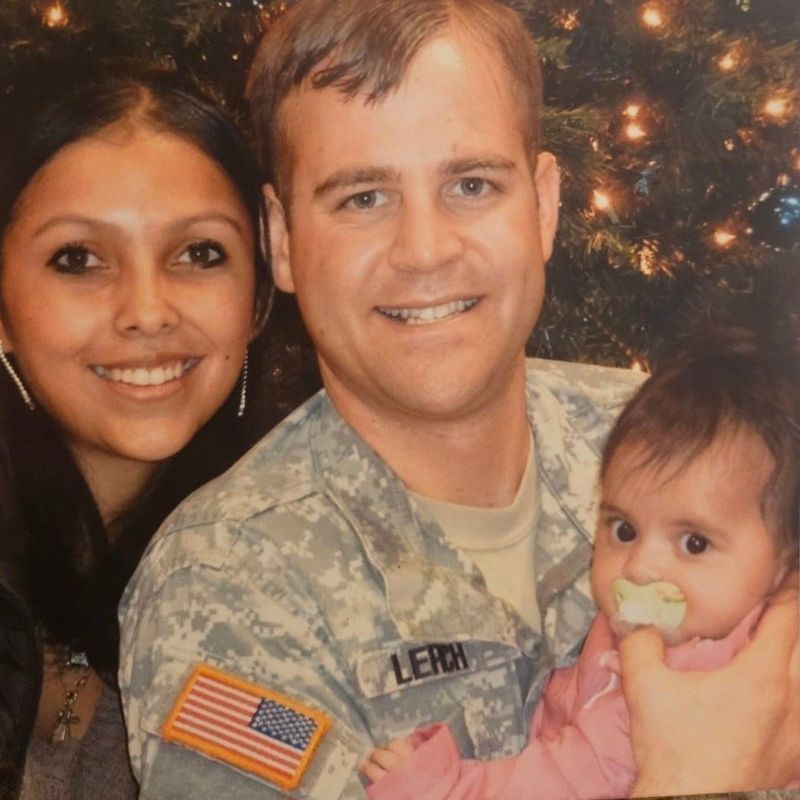
My brother witnessed life-threatening trauma in Iraq War
An Iraq War Veteran, Andy could not unlive what he witnessed in Baghdad. Once home, his symptoms compounded —hyperarousal led to avoidance, avoidance worsened his addiction, addiction rendered Andy intensely sad and very lonely. When family and friends picked him up or called, he got stuck on how America today was not the country he promised to protect in 2001.
This Memorial Day I’d like to remember my brother by asking us to support each other better. I’d like to thank Andy’s military leaders as well. Trauma-informed leadership matters and theirs is a model to follow. We all deserve the goodness they showed him, especially here and now.
About 13 million Americans carry post-traumatic stress like Andy. There are other mental health concerns, too. In 2024, the Substance Abuse and Mental Health Services Administration (SAMHSA) found 61.5 million people had a diagnosed mental health condition, or 23.4% of people. If “deeply distressing, disturbing events” continue, it would follow that mental health will become a greater challenge over time.
Maybe that’s ominous, but what if it’s an opportunity to help one another? One place to do that, as in Andy’s case, is at work. Full-time employment is a third of our life (90,000+ hours). That’s a lot of time together.
I tend toward simple solutions, like paying more attention to each other, ideally in-person. It would require a shift away from screens. I bet the pull of the Internet, and the worry that comes with it, can be tempered by sincere efforts to connect. Become a “shower-upper,” the one who waits for the long response to “how are you?”
Simple yet powerful solutions for trauma-informed care
Those who manage teams may be most impactful given their oversight. If they are open to self-awareness and self-regulation, they can ensure relational safety, and lead systems with collective, healthy cultures. How? With trauma-informed methods:
Andy’s general showed up strong, again, after he passed away last November. “I want you to know that I believe your son was a hero,” she wrote. “He led in battle, he saw things we’ll never know, and he experienced deep emotional trauma. God only knows how he or anyone deals with that horrific experience. But Andrew came back, served out his career, and did the best he could under extreme circumstances.”
Trauma-informed leadership like hers is in high demand. And its pillars can be practiced by each of us each day. As leaders, remember: “With great power comes great responsibility.” Your responsibility is unto others.
Bethany Rentsch is from Rosendale.
This article originally appeared on Milwaukee Journal Sentinel: Trauma-informed care can heal struggling veterans and us all | Opinion
Reporting by Bethany Rentsch, Special to Milwaukee Journal Sentinel / Milwaukee Journal Sentinel
USA TODAY Network via Reuters Connect