Memorial Day weekend has long marked the traditional kick-off to boating season, and with boaters getting ready to hit the waters across Florida, it’s critical that the season doesn’t begin with a familiar, but often unspoken assumption: I know what I’m doing.
Whether you boat, fish, or sail, even the most experienced boaters can fall into habits of overconfidence and complacency, leading them to skip the basics. Life jackets stay unworn. Safety gear goes unchecked. People get distracted. Weather and conditions become an afterthought instead of a first step.

These aren’t reckless decisions. They’re routine ones.
And they’re exactly why the most dangerous time to be on the water isn’t during a storm. It’s the first warm weekends of the season when familiarity replaces preparation.
According to the latest annual statistics presented by the U.S. Coast Guard, there were 3,887 recreational boating incidents in the U.S., resulting in 556 deaths and more than 2,100 injuries. Many involved inattention, inexperience or lack of preparation, issues that can often be addressed before a boat ever leaves the dock.
Florida consistently leads the nation in registered recreational vessels and reports some of the highest numbers of boating accidents and fatalities each year, especially during busy holiday weekends and peak boating season.
At the BoatUS Foundation, we see the same pattern every year. Early in the season, boaters are eager to get underway but preparation often takes a back seat. Batteries go untested. Safety gear isn’t checked. Small oversights made before leaving the dock are what most often lead to serious situations on the water.
Start with life jackets. Drowning is the cause of death in 76 percent of boating fatalities, and most of those victims were not wearing one. If you are waiting for the moment you need a life jacket, you are already too late. Wearing one is simple. It works. It is one of the easiest ways to reduce risk on the water, and it only takes a second to put on before you leave the dock.
But safety isn’t one decision. It is a routine.
Before every trip, check your gear. Navigation lights, communication devices and fire extinguishers should be ready before you leave, not just when something goes wrong. These checks may seem routine, but they matter most in the moments you don’t expect, when there is no time to troubleshoot or react. A few minutes of preparation at the dock can prevent a manageable issue from becoming a serious situation on the water.
The same is true for safety features already built into your boat. Engine cut off switches are now required on recreational boats under 26 feet for a reason. They are designed to stop the engine if the operator is thrown from the helm and prevent a boat from continuing uncontrolled. Attaching the switch takes seconds, but that small step can prevent a runaway vessel and protect both you and others on the water.
Conditions deserve the same attention. Weather can change quickly and tides and currents can create challenges even on a calm, sunny day. In Florida especially, afternoon storms, shifting tides and crowded holiday waterways can change conditions quickly. With today’s tools, from weather apps to tide trackers, it takes only a minute to get a clear picture of what you are heading into. That minute can be the difference between a safe return and being caught off guard.
Every boating season follows a predictable pattern. Early caution gives way to confidence, confidence turns into complacency, and safety begins to slip. That’s when incidents happen.
The key is consistency. Treat every trip like the first of the season.
Boating safety is often framed as a personal choice. In reality, it’s a shared responsibility. Your decisions impact your passengers, nearby boaters and the people who respond when something goes wrong.
That’s why overconfidence is so risky. Experience can create a false sense of security, where familiarity replaces preparation.
The most effective way to counter that isn’t instinct. It’s education. Boating safety courses aren’t just for new boaters. They reinforce the fundamentals, keep skills sharp and help build habits that hold up when it matters most.
This Memorial Day weekend, don’t treat safety as an afterthought. Wear your life jacket instead of stowing it, check the weather before leaving the dock and attach your engine cut off switch. Experience doesn’t excuse skipping the basics, especially when others are counting on you.
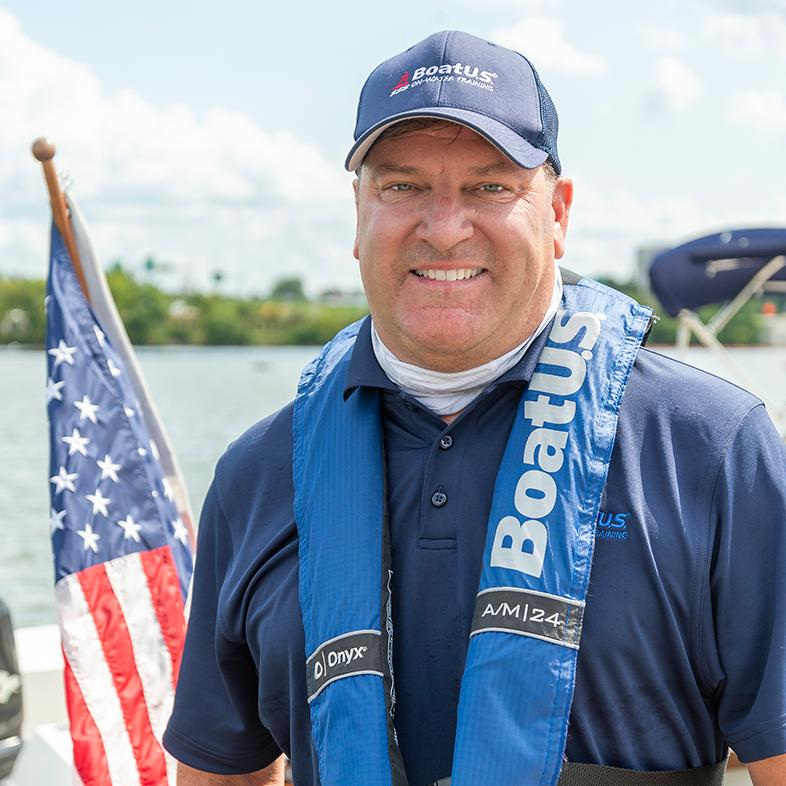
Ted Sensenbrenner is Director of Boating Safety at the BoatUS Foundation for Boating Safety and Clean Water, a 100-Ton Master U.S. Coast Guard Licensed Captain, and a certified powerboat instructor.
This article originally appeared on Florida Today: The biggest boating danger is one most ignore
Reporting by Ted Sensenbrenner, Guest columnist / Florida Today
USA TODAY Network via Reuters Connect