Editor’s note: This package was updated with new information.

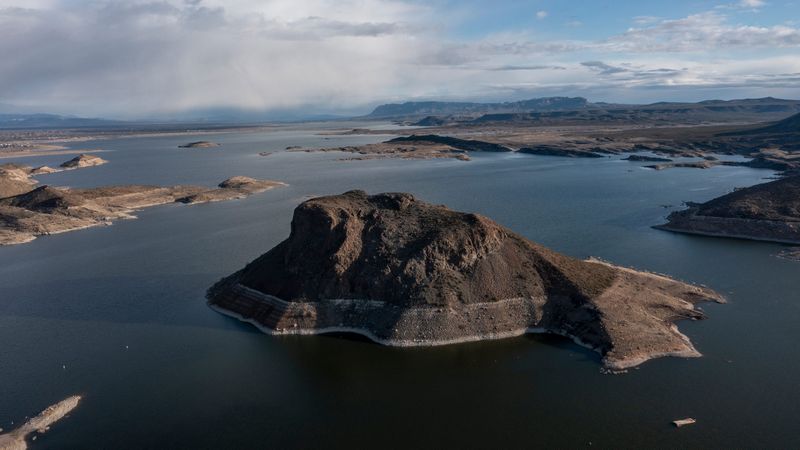
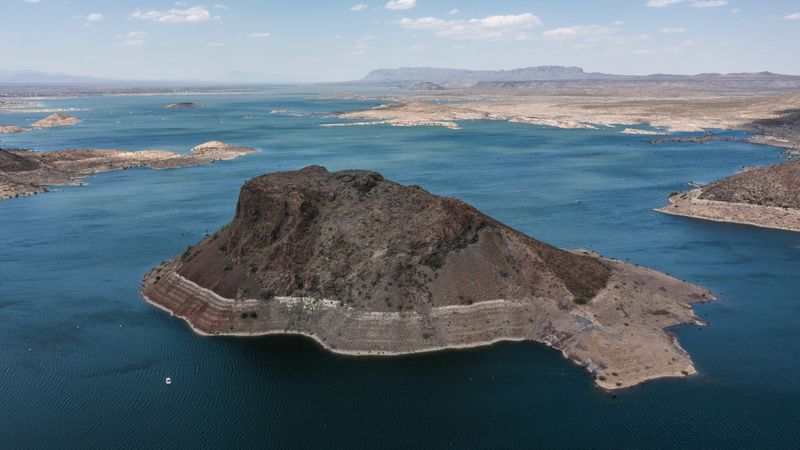
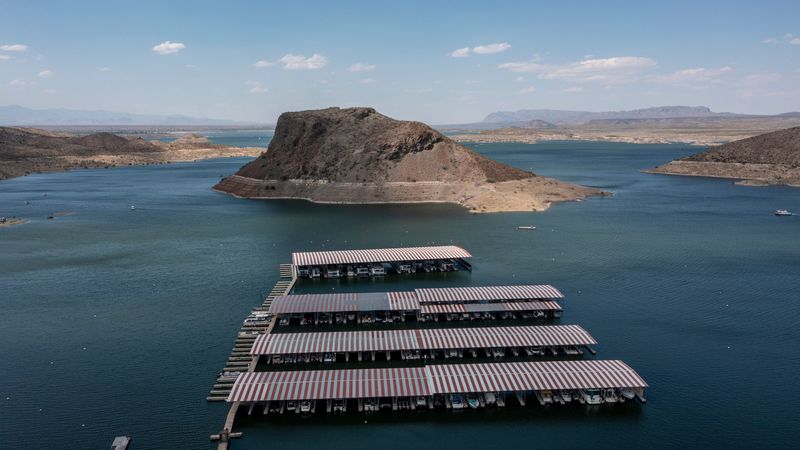
ELEPHANT BUTTE, N.M. — With a little imagination, the flat-topped butte protruding from the dammed waters of the Rio Grande in Sierra County is said to resemble an elephant.
Resemblant or not, Elephant Butte is iconic, the namesake of a town, dam and lake — “the largest body of water within 500 miles.
Two hours from both El Paso and Albuquerque, the state park offers year-round boating, swimming, fishing, hunting, hiking and more to outdoor enthusiasts. But increasingly hot and dry summers are posing challenges that officials at the state park and dam are learning to deal with.
Jonathin Horsley, the new park superintendent for Elephant Butte Lake State Park, is a champion of water safety.
“If you are in the water, please wear a life jacket,” Horsley said. “A big thing is life jacket safety.”
And, as always, be mindful of boat safety by designating a driver if alcohol is involved.
“We all want to be safe and go home,” Horsley said.
Here’s everything you need to know about visiting Elephant Butte Lake — from where to rent a pontoon boat and where you can camp to when water levels will be the highest.
When is the best time of year to visit Elephant Butte?
Elephant Butte Lake is north of Truth or Consequences, just off Interstate 25. It is easily accessible from both El Paso and Albuquerque but draws visitors from all over the region and world.
The day-use fee is $5 for N.M. residents and $10 for non-residents. An annual day-use pass is $75. Non-residents can pay $150
On weekends, especially during the summer peak season, the park is packed with visitors. Boat rentals and campsites may be sold out.
Labor Day weekend, the park hosts more than 26,000 visitors. On other holiday weekends, such as Memorial Day and July 4, visitors have historically reached 100,000 per day.
Elephant Butte water level
Much of the activity at Elephant Butte State Park, including boating, where you can drive and which marinas are operational, depends on the lake’s water levels.
As of May 20, the lake was at 11.5 percent capacity, Horsley said.
“There is still lots of water in the lake,” he added.
Current water levels mean the lake holds 8,300 surface acres of water. That’s about 226,000 acre-feet of water.
At that lake level, visitors’ biggest concern is ramp access. Park officials and volunteers work to help boaters safely launch and recover their vessels, Horsley explained.
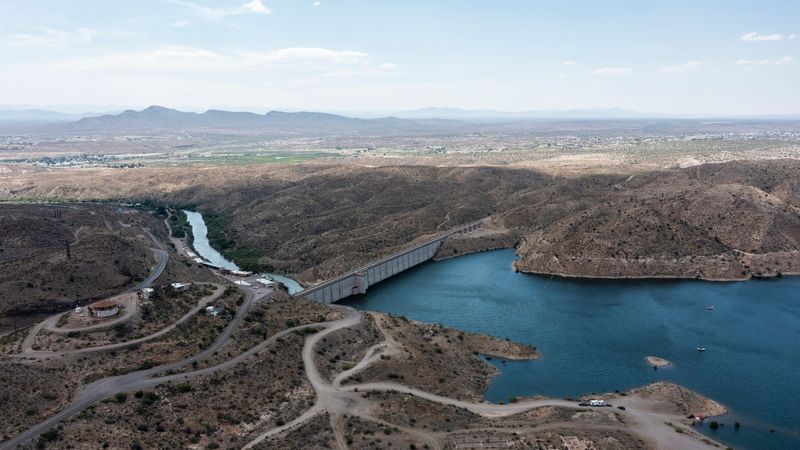
The lake is manmade by a dam across the Rio Grande, completed in 1916. The Bureau of Reclamation uses it to regulate water dispersal for irrigation.
To counteract dry summer months, the dam releases certain amounts of water between May and October. The water then enters Caballo Lake — another dam-formed lake and state park 18 miles south of Elephant Butte — and is then directed for irrigation in New Mexico.
The Rio Grande is fed by snowmelt at its source in the Rocky Mountains and rainfall from the summer monsoon season. But with drier summers, delayed monsoons and intense heat, lake levels are scraping lower and lower.
During summer 2022, water levels in the lake reached 3% capacity.
Water data in the Elephant Butte Lake is publicly available online.
Driving through the park, visitors will see many signs of historic high-water levels, like the white bathtub ring around the lakeshore, mesquite trees among smaller desert shrubs and one-time waterfront houses that have since become just beachfront property.
There is also evidence of past low-water events, like a paved road now crumbling into the lake.
During rainstorms, lake levels rise dramatically, roads wash out, and sand, silt and mud move freely.
Camping at Elephant Butte
Campers have a wide array of options at Elephant Butte — and the unique freedom to park RVs as close to the water as possible.
There are also more traditional campsites that range in price.
While some sites have plug-ins and hook-ups for RVs, providing electricity and water (but no sewer service), sites without electricity still offer much. At sheltered sites along Ridge Road, overlooking the lake from the west, “you get your shade, you get your picnic table, you get your fire ring and you get a heck of a view in the morning.
Sites can be booked through reserveamerica.com.
Can you visit Elephant Butte in winter?
There is no off-season at Elephant Butte. Park officials call the winter months” the “slow season.” Water temperatures drop and the fish aren’t as active.
But winter at Elephant Butte appeals to a different type of visitor. Birders come out to see migratory waterfowl — bald eagles, white pelicans from the Great Lakes, ducks and Canadian geese — that move to New Mexico for the winter.
Elephant Butte also has snowbirds of a different feather — retirees and campers from out of state who spend their winters happily in the warmth of the desert. Some services in the park and nearby towns may be closed or operate with limited capacity in the winter.
More: 1916: Elephant Butte Dam dedicated 100 years ago
Marinas at Elephant Butte
Boaters can store their boats at two marinas on Elephant Butte Lake, both operated by private concessioners.
The Dam Site Marina is the largest and southernmost marina on the lake, in part of the lake owned and operated by the Bureau of Reclamation. It is managed by the Dam Site Historic District.
Marina Del Sur is centrally located by the main entrance to the state park.
Both functional marinas offer covered and uncovered slips of varying sizes, as well as jet ski ports.
Boat rentals at Elephant Butte
If you don’t own a boat, rentals at Elephant Butte State Park are available at the two open marinas, at select other locations across the park and in nearby Truth or Consequences.
You must be 21 with a valid driver’s license to rent a motorboat, although kayaks and stand-up paddleboards are also available.
The Dam Site Marina has house-boat slips, regular boat slips, a store and kayak and stand-up paddleboard rentals.
Marina Del Sur has boat slips and also offers a fleet of pontoon boats and kayaks for rental. The baseline option at Marina Del Sur is $300 for a 12-person pontoon boat for a minimum of 3 hours on the lake.
Within the park, a concessioner also operates a jet ski rental at Hot Springs Landing.
Boating rules in Elephant Butte Lake
Park rangers are on alert to help rescue boaters and tow boats to shore. But the burden also falls on the boater to be prepared.
Anyone born after Jan. 1, 1989, must complete a New Mexico-approved boater education class in order to operate a power boat in New Mexico,” a former park official said. “Those are offered free of charge at any of our lake parks, also in Albuquerque and online.” (Those born before Jan. 1, 1989, are grandfathered in and are not required to take the boater education class.)
Elephant Butte State Park offers free boating safety courses one Saturday each month at the Richard Cooper Boat Safety Training Center near the main entrance gate on Highway 195.
Think of it as: “Driver’s-ed class for boats.”
Vessels are also inspected for aquatic invasive species upon entrance to the park. If a boat has standing water from another lake or species like zebra mussels growing on it, park staff will treat the boat to reduce the risk of speaking invasive species.
Facts about Elephant Butte fishing and hunting
Aboard your boat or standing on the shore, fishing is allowed anywhere on the lake except the marinas and the boat docks with a New Mexico fishing license, which can be purchased online or in person.
Fishers can eat what they catch and cook their catches on the grills at campsites. There are no health concerns about fish from the lake, park officials said.
Elephant Butte Lake boasts the New Mexico state record for green sunfish, striped bass and longear sunfish.
Beyond record breakers, the lake is rife with many types of fish, including “black, white, and striped bass, as well as crappie and bluegill.”
The portions of the park where hunting is allowed vary by year, but the northern and easternmost edges of the lake and shore typically compose the designated hunting area. With a valid state license, hunters can pursue mule deer and waterfowl like ducks.
How to swim and hike in Elephant Butte State Park
There is no designated swimming area at the park. Visitors can swim anywhere at their own risk.
For hiking, the park hosts a 20-mile West Lakeshore Trail from the city limits of Elephant Butte to the Monticello campground along the northern shore of the lake. A map of the trail, which features benches, signposts and some steep sections, is available on the state park website.
It is possible this stretch will hopefully one day link with the Rio Grande Trail, a proposed trail along the length of the river, from Colorado through all of New Mexico, ending in El Paso.
Eli Wizevich contributed to this report.
This article originally appeared on El Paso Times: Elephant Butte Lake visitor guide: When to visit, where to fish, camp
Reporting by Staff report, El Paso Times / El Paso Times
USA TODAY Network via Reuters Connect