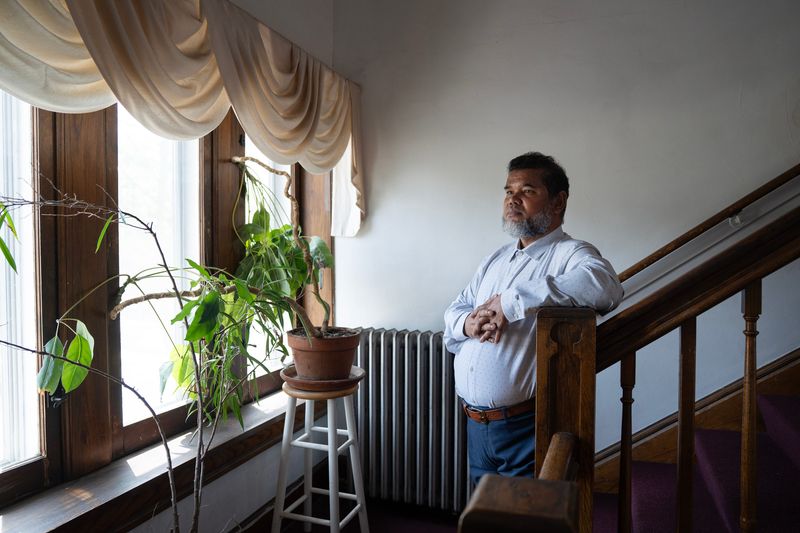
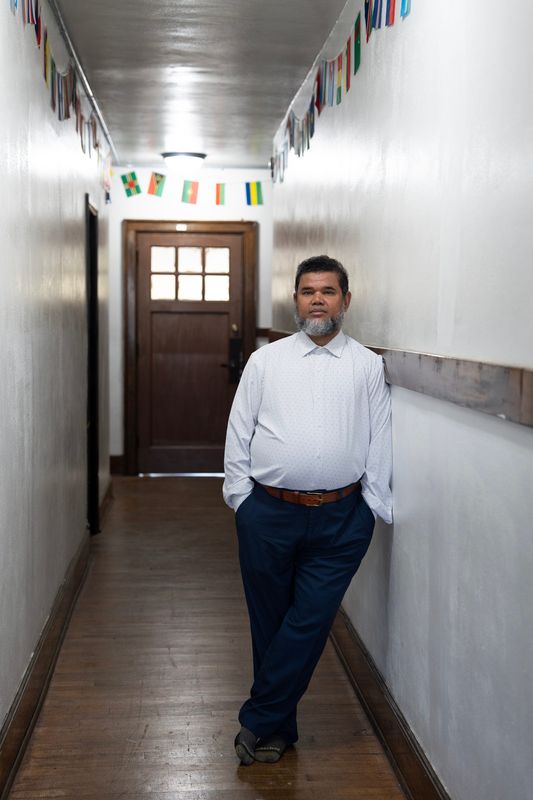
Faced with the reality that hundreds of Milwaukee refugees who are waiting for their green cards will lose food and health care benefits in the coming months, some families have been coming to Omar Mohamed with questions he can’t answer.
“Why is the government doing this? They know where we came from. They know our situation. They brought us here,” Mohamed, the director of Lutheran Social Services’ resettlement program, said one client told him. Refugees are legal immigrants resettled by the U.S. government.

The coming cuts to FoodShare and Medicaid for refugees and other legal immigrants – permanent changes as part of the One Big Beautiful Bill Act – will create gaps in nutrition and health care that will put serious stress on Milwaukee’s nonprofit aid system, advocates say. Groups are now scrambling to build a support network before the cuts take effect.
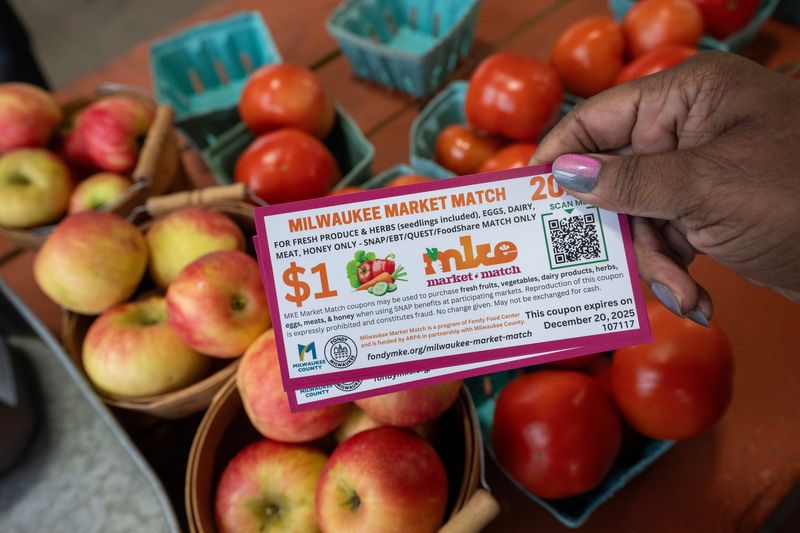
Starting July 1, FoodShare cuts will begin to take effect, depending on a person’s renewal date. FoodShare is the state’s version of the federal Supplemental Nutrition Assistance Program, or SNAP. People with FoodShare and Medicaid will lose both benefits by October 1.
About 7,200 people in Wisconsin will lose their benefits as a result of the new law, and 63% of them live in Milwaukee County, according to the state Department of Health Services. Most of the rest live in population centers such as Dane, Brown and Outagamie counties.
Children and pregnant mothers will continue to be able to eligible for Medicaid. They will not be eligible for food benefits.
Among the other legal immigrants also losing eligibility: people who have won their asylum cases, people granted humanitarian parole, such as Afghan evacuees and Ukrainians, and trafficking victims.
The policy targets newly arrived refugees, who often work factory jobs on hourly wages and support large families. And with prices high, many just starting out in the U.S. find it hard to afford rent, utilities, food and health insurance on their own, resettlement leaders said.
“Folks who are coming in with this status are not going to given basic support for food, in a brand new country, after surviving some horrific atrocity in their lives,” said Valerie MacMillian, executive director of NourishMKE, a network of four local food pantries. “It’s unimaginable that this specific group of people is being targeted for removal of these benefits.”
The cuts come as part of President Donald Trump’s larger crackdown on legal immigration and the refugee resettlement program. The Trump administration froze nearly all refugee admissions on his second day in office and has largely only admitted white South Africans since then. Refugee resettlement agencies have downsized because they aren’t bringing in anyone new, but they are helping those who arrived shortly before the freeze.
In response to a news story on the benefits cuts May 20, U.S. Rep. Tom Tiffany, Republican candidate for governor, posted online that he “will ensure foreign nationals are off our welfare rolls and off our voter rolls.”
“No undocumented people were ever getting FoodShare,” Jennifer Miller, a state Department of Health Services spokeswoman, said in a statement. The change “affects people who were previously eligible for food benefits because they have qualifying immigration status.”
Trump admin freezes processing of Burmese refugees’ green cards, leaving them in limbo
The cuts will disproportionately affect Milwaukee’s large Burmese community, as well as the city’s Afghan, Somali and Sudanese refugees and others. The reason is a bit complicated.
Refugees, who fled persecution in their homeland and are legal residents from the moment the U.S. government brings them here, can apply for a green card, or permanent residency, after one year in the U.S. But back in January, the Trump administration froze green card processing for anyone from 39 so-called “high-risk” countries, including Myanmar (Burma) and Afghanistan, leaving individuals already in the U.S. in limbo.
Many of the refugees resettled in Milwaukee in the last two years or so did apply for green cards, but the freeze means the government hasn’t processed their requests. Now, whether a refugee has that green card in hand matters. The cuts to FoodShare and Medicaid don’t apply to people with green cards.
Those newest arrivals are stuck in a Catch-22, Mohamed said: “There’s no way for them to win.” The U.S. promised them protection, he said, and it is now abandoning them.
His agency, Lutheran Social Services, resettled about 170 refugees in the last quarter of 2024, when the federal refugee program was still going strong. Everyone applied for green cards, and most are still waiting. Some other refugees who arrived in the last few years and may have put off submitting their green card applications are now also stuck.
People should check what state benefits offices list as their immigration status, in case they did receive a green card or become a U.S. citizen recently, said Autumn Arnold, a state health benefits staff member, said in a recent call to partner organizations. They will receive letters in the mail informing them they are losing coverage.
People also can spend the FoodShare benefits saved up on their cards, even after they are no longer an active FoodShare recipient, a state health department spokeswoman said. People can read more about the changes at dhs.wisconsin.gov/forwardhealth/partners/federal-changes.htm.
Milwaukee is believed to be home to one of the largest communities of Rohingya in the U.S. The Rohingya are a persecuted Muslim ethnic group from Myanmar that has faced genocide and ethnic cleansing. Over a million Rohingya fled to refugee camps in Bangladesh, Thailand and Malaysia, and a small fraction has been resettled in the U.S., largely in the last 11 years. Other Burmese ethnic groups such as the Karen and the Chin have established communities in the Milwaukee area as well.
Mohamed Anwar, president of the Burmese Rohingya Center of Wisconsin, said community members with serious health conditions such as kidney failure and diabetes, who require regular treatments and prescriptions, have been asking him with desperation what will happen when they lose health insurance.
“It’s a nightmare for them,” Anwar said.
Anwar and Andrew Trumbull, the Rohingya center’s cofounder, have seen the community’s adults work hard, buy homes and start businesses, and young people excel in school. They aspire to the integration and success of Wisconsin’s Hmong community, which largely began arriving four decades ago. Census data shows the household income for a Hmong immigrant to Wisconsin now slightly exceeds the state average.
“We are very grateful to this country, to these people,” Anwar said. “If you give us an opportunity, we know how to take it. We are good people, hardworking people.”
Food pantry system already under strain by growing need
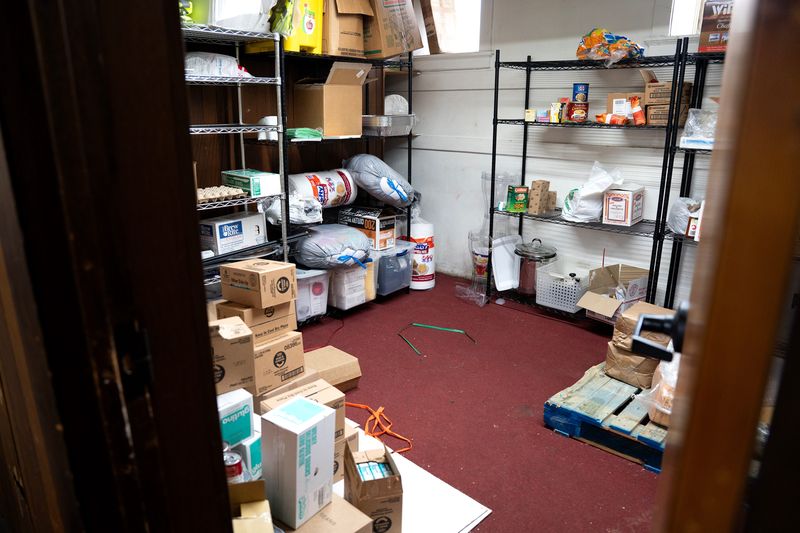
The cuts for refugees and other legal immigrants come as Milwaukee’s food pantry system is already strained, and advocates say hunger is a growing issue in the city.
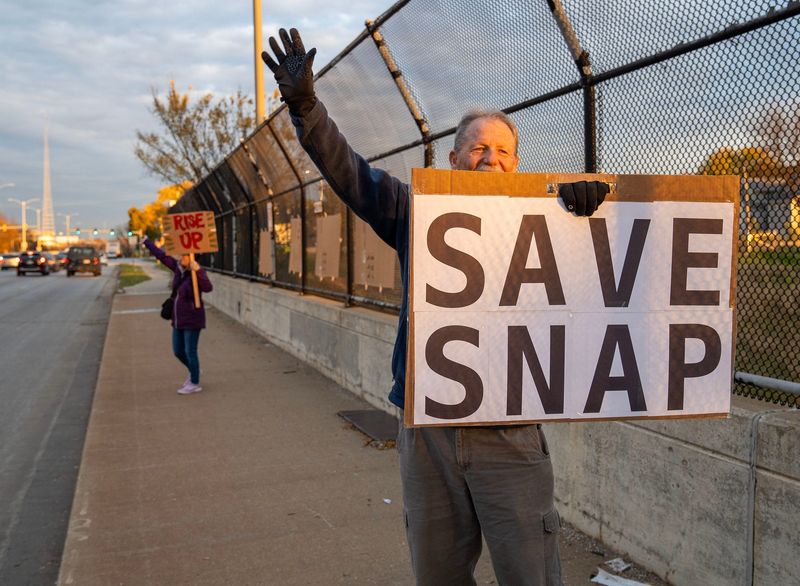
Hunger Task Force’s network of food pantries recorded a 35% rise in traffic in the last year. Nationally, as part of the One Big Beautiful Bill Act, SNAP will get a 20% cut over 10 years, and millions are expected to see their benefits reduced or cut.
Between thousands in Wisconsin who are losing FoodShare because of the law’s requirement that certain adults work 20 hours a week to receive benefits, and the cuts impacting immigrants and refugees, pantry leaders expect their numbers to grow.
“That’s all going to be felt at the food pantry doors,” MacMillian said.
Jack Bolog, director of People’s Table, a food pantry in Milwaukee’s Historic Mitchell Street neighborhood, recalled the record-breaking numbers the pantry saw in November, when some didn’t receive SNAP benefits because of the government shutdown.
When people have trouble feeding their families, other priorities fall away, Bolog said. “The community is going to be seeing a lot more hardship,” he said, and everything from job loss to education to mental health may suffer. This coming “benefit cliff,” as he called it, is “making it harder for families to take the next step and increase their overall levels of stability,” he said.
Food pantry leaders have been trying to reach out to refugee residents to let them know the pantries are places they can turn for help. And they have been meeting with each other to strategize how to counteract less funding and more demand. MacMillian, for her part, has been trying to set up deals with local farmers to buy produce directly from them, as a federal program ended that gave farmers’ produce to food banks like Hunger Task Force and Feeding America.
Leaders warn of ripple effects of benefits cuts
Muslims, such as the Rohingya, require halal meat and may not be able to find it at most Milwaukee food pantries. People typically visit the growing number of Burmese grocery stores in the city to buy culturally specific foods.
Some of those foods are accessible at the Burmese Rohingya Center, which receives a shipment from a national Muslim food bank twice a month, and once a year sources beef from farmers across the state. Still, the shipments address a fraction of the need, leaders there said. And mainstream food banks’ deliveries of macaroni and cheese, applesauce and other processed American-style foods aren’t always appealing to community members, who would prefer ingredients like fish, potatoes and rice.
Mohamed, of Lutheran Social Services, is worried abut the ripple effects of delayed health care for adults. Parents who are struggling financially may not opt for preventative medical care or may not seek out a doctor until an issue becomes an emergency.
Resettlement leaders are working on creating a list of free and low-cost clinics, food pantries and other resources to distribute to community members.
They characterized refugees in Milwaukee as an asset to the community instead of a drain in resources, and a small portion of the overall benefits system. Statewide, about 655,000 residents are enrolled in FoodShare.
“Going forward, these people will be independent and contributing toward the economy of this country,” Anwar said. “In the meantime, they will need a little bit of help.”
Sophie Carson is a general assignment reporter who reports on religion and faith, immigrants and refugees and more. Contact her at scarson@usatodayco.com or 920-323-5758.
This article originally appeared on Milwaukee Journal Sentinel: Some Milwaukee refugees, legal immigrants losing SNAP, Medicaid soon
Reporting by Sophie Carson, Milwaukee Journal Sentinel / Milwaukee Journal Sentinel
USA TODAY Network via Reuters Connect