Tracy L. Davidson is an Ohio-licensed speech-language pathologist.
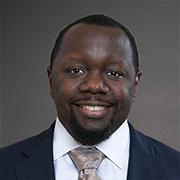
Dr. Christopher Brown completed his residency in internal medicine at the Ohio State University Medical Center and has practiced in a variety of clinical settings.

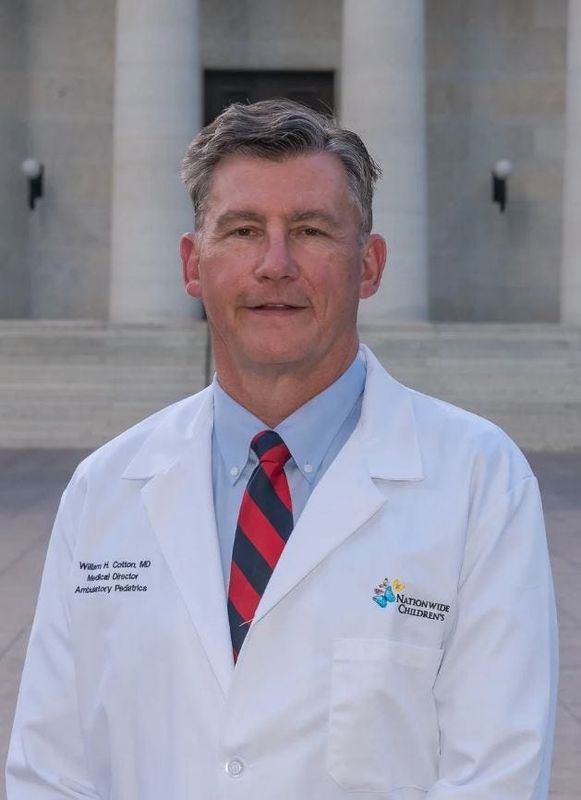
Dr. William Cotton, a past president of the Columbus Medical Association, has held numerous leadership roles across central Ohio.
It’s 2 a.m. A mother dials for help because her adult son is in crisis.
She is pacing, panicking, unraveling in ways she cannot contain, focused only on keeping him safe. Minutes later, flashing lights fill the street. The response is urgent — but it is the wrong one.
We see how these moments unfold long after the lights fade.
We meet patients in emergency departments who needed a trained behavioral health response hours earlier. We see families navigating systems that weren’t designed for what they are experiencing. Not every crisis is a criminal matter. Many are mental health crises.
That is why the Columbus Medical Association supports the Community Crisis Response Amendment and urges a “yes” vote for Issue 5 on the May primary election ballot.
The right tools are needed
This is lived reality. Every day, we care for individuals facing mental health and substance use challenges, often worsened by gaps in access, stigma and delayed intervention.
Too often, the first point of contact is law enforcement — professionals who serve with dedication but are asked to manage situations rooted in behavioral health without the tools those situations demand.
An alternative crisis response model offers a more appropriate and compassionate path forward. It ensures that when someone calls for help, the response matches the need: clinicians, social workers, peer supporters and trained crisis specialists who can de-escalate, assess and connect individuals to care.
It is a model grounded in evidence and in dignity.
From a physician’s perspective, the benefits are clear. Early intervention reduces avoidable emergency department visits, prevents escalation and improves long-term outcomes.
It allows hospitals to focus on acute medical needs while strengthening care in the community. For individuals and families, it means fewer unnecessary incarcerations, fewer accidental injuries or deaths, and a greater chance of being met with care rather than crisis. It also begins to address persistent inequities in how – and when – people receive help.
Columbus’ values and actions must match
This moment is about more than improving systems. It is about aligning values with action.
At the Columbus Medical Association, we are committed to advancing health equity and improving the well-being of every resident in central Ohio. Supporting this ballot initiative reflects a belief that care should meet people where they are, especially in their most vulnerable moments.
We stand ready to work alongside first responders, city leaders and community organizations to ensure this evidence-based solution is implemented thoughtfully and sustainably by bringing clinical expertise and care coordination to the table.
The question before voters is not whether we respond to crisis — we always will. The question is how.
Do we continue to rely on a system that asks first responders to manage complex health needs without addressing root causes? Or do we choose a more effective approach that delivers better outcomes for our community?
This approach requires upfront investment, but it reduces long-term costs, eases strain on law enforcement and hospitals and improves outcomes. The real question is not whether we can afford to invest — but whether we can afford not to.
Tracy L. Davidson is an Ohio-licensed speech-language pathologist and former certified case manager who offers a comprehensive understanding of health care systems and patient needs through over 20 years of executive leadership experience.
Dr. Christopher Brown completed his residency in internal medicine and a fellowship in nephrology at the Ohio State University Medical Center. Following his time in academic medicine, Dr. Brown practiced in a variety of clinical settings, gaining a broad perspective on caring for patients from diverse backgrounds and communities.
Dr. William Cotton, a past president of the Columbus Medical Association, has held numerous leadership roles across central Ohio, including serving as medical director of the Primary Care Centers at Nationwide Children’s Hospital and as a Clinical Professor of Pediatrics at The Ohio State University College of Medicine.
This article originally appeared on The Columbus Dispatch: Columbus police not the answer to mental crises. Why vote for Issue 5 | Opinion
Reporting by Tracy L. Davidson, Christopher Brown and William Cotton, Guest Columnists / The Columbus Dispatch
USA TODAY Network via Reuters Connect