Doug Kelly is CEO of the American Edge Project and a resident of Columbus.
Ohio didn’t become the seventh‑largest economy in America by accident. We built it, brick by brick, one generation of infrastructure at a time — from the canal system to the railroads to the highways.

But now, a proposed constitutional amendment to ban new data centers would mark a sharp break from that tradition.
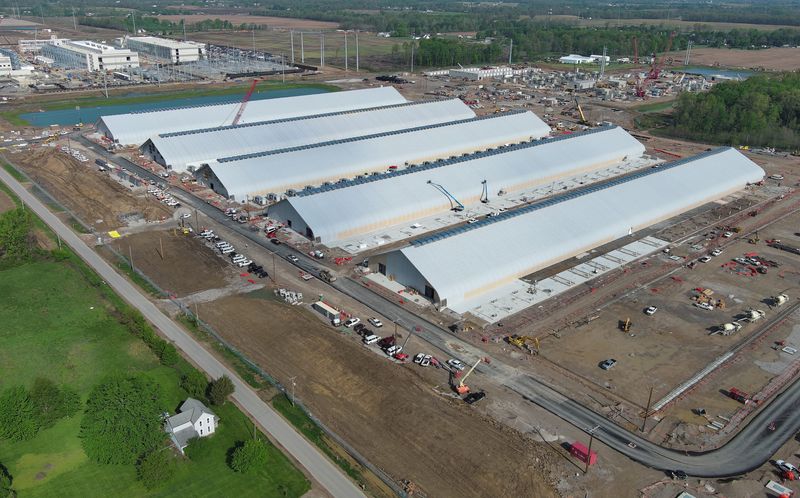
It could make Ohio the first state to constitutionally block the artificial intelligence infrastructure that will power the next economic era. This would not only result in serious consequences for jobs, investment, and Ohio’s long‑term competitiveness, it would hand China — America’s chief adversary — a strategic advantage.
Ohio built the future
When it comes to building the infrastructure that creates prosperity, Ohio has long chosen to lead from the front.
Each of these moments followed the same pattern: new infrastructure brought real concerns, Ohio addressed them and the state chose to build.
Ohio will pay the price for anti-data center amendment
That choice stands before us again. This proposed constitutional amendment would not merely shape the next wave of infrastructure, but surrender it by banning most new data center construction that’s essential for powering the AI economy. Unlike ordinary legislation, a constitutional prohibition would be nearly impossible to reverse.
The consequences would be swift and severe.
Ohio has already attracted more than $40 billion in data center investments over the past decade, and ranks seventh nationally in new projects, which are generating more than 170,000 high‑paying construction jobs for Ohio electricians, pipefitters, ironworkers, and contractors. This data center ecosystem is delivering more than $1 billion annually in state and local tax revenue that supports schools, roads, first responders and other community priorities.
Data centers are uniquely efficient taxpayers. They consume relatively few public services while routinely funding grid upgrades and new power capacity that benefit the entire community and future economic growth.
A constitutional ban would divert those jobs, investment, and tax revenue to other states. It would signal that Ohio is closing the door on the infrastructure of the future—hardly the message we want to send manufacturers and major employers.
A ban could also weaken America’s competitive position against China in the global AI race. As China pushes aggressively to dominate advanced technology and global markets, stepping back from building critical AI infrastructure here would put Ohio factories, supply chains and thousands of additional jobs at greater risk.
Communities should absolutely have a voice in how AI infrastructure develops in their neighborhoods.
The key question is not whether Ohio will build the infrastructure of the future, but how we build it responsibly. A constitutional amendment doesn’t answer that question; it shuts the door on the conversation entirely, flips the table over and walks away from the future.
Ohio has always chosen to build the future.
This is no time to stop.
Doug Kelly is CEO of the American Edge Project and a resident of Columbus.
This article originally appeared on The Columbus Dispatch: Ohio will ‘flip table over’ on its future if we ban data centers | Opinion
Reporting by Doug Kelly, Guest Columnist / The Columbus Dispatch
USA TODAY Network via Reuters Connect