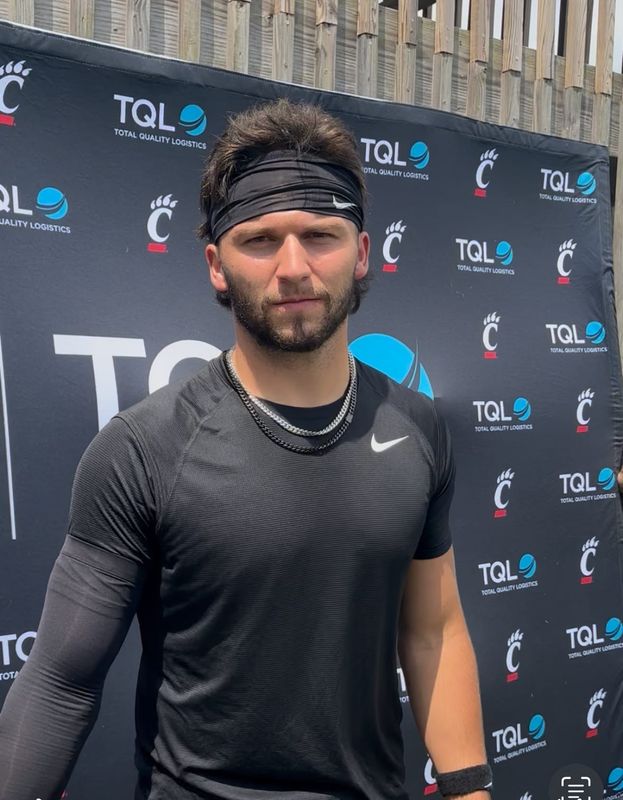
Former Cincinnati Bearcats quarterback Brendan Sorsby is reportedly entering a residential program for gambling addiction.
Sorsby, who transferred to Texas Tech this offseason, reportedly placed thousands of wagers on various sports through a sports betting app, according to ESPN’s Pete Thamel. The quarterback is now under NCAA investigation regarding his gambling.

The NCAA cannot comment on ongoing investigations, but the organization was clear that allegations of gambling misconduct would be taken very seriously.
Early reports indicate Sorsby placed bets on Indiana football games while at the school as a true freshman in 2022. The bets were not on games he appeared in, and were on the Hoosiers to win.
Here’s a quick quide to the NCAA’s gambling regulations and what might be next for Sorsby.
NCAA sports gambling regulations
Currently, gambling on any level of sports is prohibited for NCAA student-athletes and athletic department employees alike. Both college and professional sports are off-limits, with strong penalties for those betting on their own school’s events.
An October, 2025 proposal from the NCAA Division I Administrative Committee would have allowed players and athletic department members to bet on professional sports. This proposal was rejected in November by the NCAA’s member institutions in a vote which required two-thirds support.
NCAA penalties for sports gambling
As of the latest NCAA guidelines in 2023, athletes who wager on their school’s sports could face “permanent loss of collegiate eligibility in all sports.” This penalty applies whether or not the athlete participated in the games that were the subject of gambling.
Athletes placing wagers on other school’s sporting events face smaller penalties, including up to 50% of one season of eligibility being rescinded.
For professional sports gambling, the cumulative dollar value of wagers placed is taken into consideration, with a maximum penalty occurring on wagers totaling $800 or more. In such cases, 30% of a single season of eligibility could be forfeit.
What does investigation mean for Sorsby?
Sorsby was set to use his final season of eligibility with the Texas Tech Red Raiders. His services were highly sought after in the transfer portal after a 2,813-yard, 18-touchdown season. The Red Raiders reportedly spent around $4 million for Sorsby to head to Lubbock, Texas.
Unfortunately for Sorsby, precedent established by the NCAA suggests his college career may be over. In 2021, Iowa State backup quarterback Hunter Dekkers placed 366 bets with DraftKings, totaling to $2,799 including a $15 bet in a Cyclones game he did not play in. When the betting scandal broke in 2023, the NCAA went on to rule Dekkers permanently ineligble. Dekkers would transfer to Iowa Western Community College after missing the entire 2023 season.
Sorsby is currently tied up in a lawsuit with the Cincinnati Bearcats athletics over the Name, Image, and Likeness (NIL) deal the quarterback signed with the school. Cincinnati sued Sorsby, seeking $1 million in damages as outlined in the NIL agreement. Sorsby filed a motion to dismiss the lawsuit on April 27.
This article originally appeared on Cincinnati Enquirer: What are NCAA student-athlete gambling restrictions?
Reporting by Chase Souder, Cincinnati Enquirer / Cincinnati Enquirer
USA TODAY Network via Reuters Connect