Why Are You Here?
People have wrestled with that question for as long as we have history. Philosophers, theologians, leaders and everyday citizens have all tried to name it, define it or outgrow it. Most of us circle back eventually.

In a consumer-driven economy, the default answers are easy. Success becomes square footage. Horsepower. Balance sheets. Titles. Upgrades. Likes. Followers. Validation extracted in public and tallied digitally.
But hearses do not have trailer hitches.And cemeteries do not have influencer sections.
You cannot take it with you. And long after the toys break and the algorithms move on, what remains is impact. Contribution. The lives you shaped. The moments you showed up when it mattered.
If there is a scoreboard that counts, it is measured in people — not possessions.
Wichita Falls understands this even when we forget it.
Often referred to as “the city that faith built,” this community has quietly sustained a culture of service for generations. As of last October, 1,173 registered nonprofit organizations operated locally, stewarding more than $3 billion dollars in assets and over a billion dollars in annual income. That is not accidental. That reflects values.
This is an ecosystem of service. And everyone in it eventually plays two roles: giver and getter.
Most of us spend parts of life on both sides.
When things go well, we contribute. When life hits hard, we receive. The healthiest communities are honest about that dynamic and design systems that make both roles dignified.
Nonprofit boards sit at the intersection. They are not honorary titles or résumé padding. Boards are where mission becomes execution. They require people willing to wrestle with messy, unsolvable problems, to set priorities under constraints, to raise resources and to step in when staff capacity meets real human need.
That work changes lives in specific, repeatable ways. Consider just a dozen or so organizations and their mission impact.
Adult literacy, for example, does not trade in abstractions. Volunteers teach adults how to read forms, write clearly and build job-ready skills one learner at a time. The outcome is simple and profound: people gaining independence, credentials and the ability to provide for their families.
Big Brothers Big Sisters creates life-changing mentorships by matching children with consistent, caring adults. These “Bigs” do not fix everything. They show up. Over time, one relationship builds confidence, accountability and healthier decision-making during the years that matter most.
Camp Fire empowers young people through inclusive after-school and summer programs that foster belonging and confidence. Children discover strengths they did not know they had through camps, mentoring and service. Skills learned here carry forward into classrooms, families and future careers.
Court Appointed Special Advocates serves children navigating some of the hardest transitions imaginable. Trained volunteers advocate for abused and neglected youth, ensuring one child’s voice is heard in court and their best interests are protected through consistent presence and observation. Stability does not happen by chance. It is defended.
Faith Mission meets immediate needs while restoring dignity and self-worth. They shelter, feed and counsel men, women and families experiencing homelessness, guiding people from crisis to stability through coordinated daily support. Faith, discipline and skills build toward sustainable outcomes. A new capital campaign is expanding capacity and renewing facilities to meet rising demand for homeless men.
Leadership Wichita Falls invests upstream. It develops civic leaders by connecting emerging professionals to real community challenges. Participants learn how to collaborate across sectors and return with the capacity to drive measurable improvements where they live and work.
North Texas Food Bank fights hunger with efficiency and compassion. Volunteers source, pack and distribute nutritious food so families can make it through another week without choosing between groceries and utilities. Board members work behind the scenes to secure funding and design solutions that scale impact responsibly.
Scouting builds character, leadership and resilience through experiential learning. Youth master practical skills, serve others and grow into responsible adults through shared challenges. The relationships formed often extend for decades as their alumni network continue to serve and inspire the next generation.
Service organizations like Rotary, Kiwanis, Optimists, and Lions clubs offer structured entry points into community impact. Members engage as doers, leaders and champions of causes ranging from youth development to recreation and scholarships. They mobilize volunteers, funding and attention where it is needed most.
Giving is not instinctive. It is a skill. Like any skill, it improves with use.
When exercised deliberately, it compounds. You may help educate the future doctor who cures cancer, support the mentor who keeps a young person out of the justice system or strengthen the parent who raises a resilient family.
You do not control the outcomes. You do control whether you contribute.
Help someone navigate their path. Invest your time, judgment and resources thoughtfully. Do your best work in service of others. Step back.
Then watch what grows.
That may be the best answer any of us gets to the question: Why are you here?
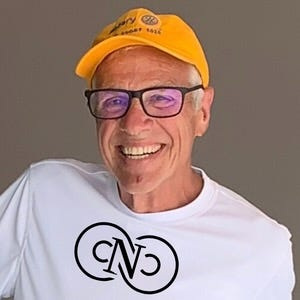
Jack Browne is a community activist and former technology executive who believes in the power of connection, service and lifelong learning.
This article originally appeared on Wichita Falls Times Record News: Why are you here? | Opinion
Reporting by Jack Browne, Wichita Falls Times Record News / Wichita Falls Times Record News
USA TODAY Network via Reuters Connect