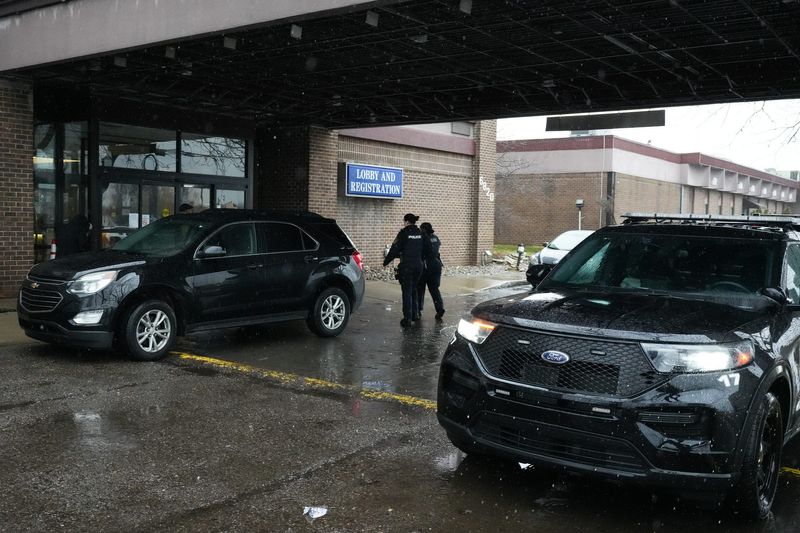
LANSING — Seven of the people evicted from a camp used by the homeless population in Lansing were on Thursday, March 5, evicted again, this time from a south Lansing hotel because the city said they didn’t comply with self-improvement rules.

The city agreed in late December to finance a free six-week stay at Causeway Bay Lansing Hotel & Convention Center on South Cedar Street for 57 people who had been living in a camp near Dietrich Park. The deal was part of a court settlement. The Ingham County Board of Commissioners voted unanimously in February to provide $76,500 to extend the stay for an unspecified time when the city’s six-week period was running out.
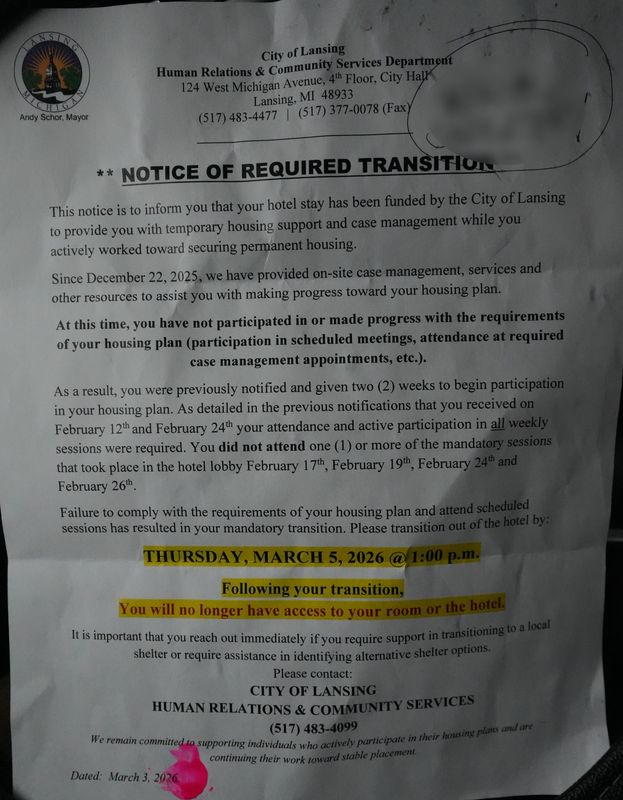
But the number of former camp residents at the Causeway Bay has been shrinking, sometimes because they weren’t following the rules, officials said. And the city sent notices to those they didn’t think were cooperating with the requirements for the free stay, telling them they had to leave the hotel by 1 p.m. March 5, because “You will no longer have access to your room or the hotel.”
Housing advocates have been delivering tents to those kicked out of the Causeway Bay, saying some of those kicked out definitely attended meetings, found employment, and even received housing vouchers, further proving they were doing what they were supposed to do, said Kelsea Hector, a housing advocate and executive director of the nonprofit Punks With Lunch, and Khadja Erickson, executive director of the Mid-Michigan Tenant Resource Center.
But, “the original agreement, as approved by the court, was for six weeks of temporary placement in the hotel,” said Scott Bean, the city’s spokesperson. “We are now at 10 weeks. Those who have not done the work are now being offered placement in a shelter. Nobody is being kicked out without shelter and anyone saying otherwise is making a false claim.”
Earlier March 5, Bean said there were 11 people transitioning out of the hotel and into a shelter, for noncompliance and not participating or making progress with the requirements of their housing plan – scheduled meetings, case management, and attendance. After staffers visited Causeway, the number asked to leave was reduced to seven, Bean said.
He said shelter was offered at the City Rescue Mission, and there are 22 former camp residents who remain at the hotel who are making progress on their self-sufficiency plans.
“Those that are employed, actively participating and communicating with their case manager and qualify for services, are not at risk of transitioning into alternative housing,” Bean said.
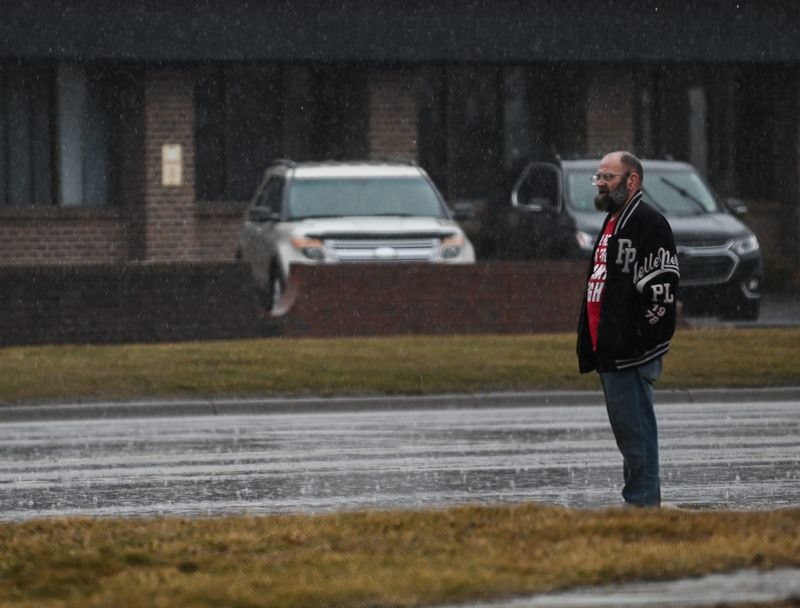
Ronald Wright, 46, said he felt blindsided when he received a notice earlier this week that he had to leave.
He lived at the camp near Dietrich Park for about a year before moving into the Causeway and finding a job with Punks With Lunch. He had to miss a few meetings, he admits, because of his job. But then a city staffer told him he was making too much money.
He wasn’t sure what his next step was going to be.
“As of right now, it looks like I’m going back to my tent,” he said, starting to cry in frustration. “I followed every program. I’ve succeeded in this, and I’m getting penalized for it. They want you to do good. They want you to get stabilized housing, but they only want you to do so good.”
“It’s just all smoke and mirrors,” he said of the city’s manner of working with the population of people who are homeless. “We’re doing this to make it look like we’re trying to help all the while we’re not really going to care.”
Hector said some of those receiving notices chose not to go to the City Rescue Mission.
Her group is asking local residents to sign a form on Punks With Lunch’s Facebook page to stop the Causeway removals. Punks With Lunch is also asking that every person removed have an immediate alternative placement and a plan to protect their belongings and continuing case management. Another demand is that the city “stop penalizing people for progress, including employment, partial completion of paperwork, or medical limitations that make ‘showing up’ harder week to week.”
“A lot of people are just frustrated,” Hector said. “They felt they really did put in the effort. The worst part of this was that there was a large amount of hope that was given to these folks when we keep moving the goal post.”
Erickson also was upset that the former camp residents could be returning to the outdoors “when we’re at the finish line.”
Bean emphasized that those asked to leave Causeway were given a final two weeks’ notice to attend a meeting on five separate occasions to begin making progress with their housing plans.
“The city remains committed to supporting individuals who are actively participating in their housing plans and are continuing their work toward stable placement,” Bean said. “The city has spent a significant amount of Lansing taxpayer dollars to provide services at the encampment for the past several months and now to house these residents for ten weeks in a hotel.
“Taxpayer funds are not unlimited and are needed for other critical services like police, fire, parks, and other human services needs. Agencies will continue to work with these folks, whether in the hotel or in shelters or anywhere else to get them ready for permanent, stable housing.
The hotel plans to store personal items for 30 days for free for those transitioning into the shelter, Bean said.
Contact editor Susan Vela at svela@lsj.com or 248-873-7044. Follow her on Twitter @susanvela.
This article originally appeared on Lansing State Journal: Lansing evicts 7 former homeless camp residents from hotel for non-compliance
Reporting by Susan Vela, Lansing State Journal / Lansing State Journal
USA TODAY Network via Reuters Connect