The Muppets unofficially began in 1955, when a young Jim Henson created the humble program “Sam and Friends” for a local TV station. Most of these droopy, felt puppets faded into obscurity, but it was in this program that a green amphibious creature made out of Henson’s mother’s coat and two halves of a Ping-Pong ball was born: Kermit the Frog.

Throughout the 1960s, The Muppets gained recognition as quirky commercial characters and short late-night comedy actors. After the debut of “Sesame Street” in 1969, Henson was desperate not to be pigeon-holed into children’s entertainment. He saw the TV screen as a stage and his Muppets as actors perfectly capable of handling an older audience.
British producer Lew Grade saw the potential and offered Henson and his creations a location to film “The Muppet Show.” The show’s format was suitable for all audiences with chaotic backstage antics, onstage performances, and a recognizable core cast: the cheesy Fozzie Bear, diva Miss Piggy, host Kermit the Frog, and hecklers Statler and Waldorf.
The show became an international phenomenon, attracting A-list stars to act foolishly alongside the adorable felt cast.
In 1990, Henson passed away suddenly, but his son Brian Henson and daughter Lisa Henson took the helm, producing many of the most-adored Muppet films and seeing through to Disney’s official acquisition of the Muppet characters in 2004.
One-time celebration or backdoor pilot?
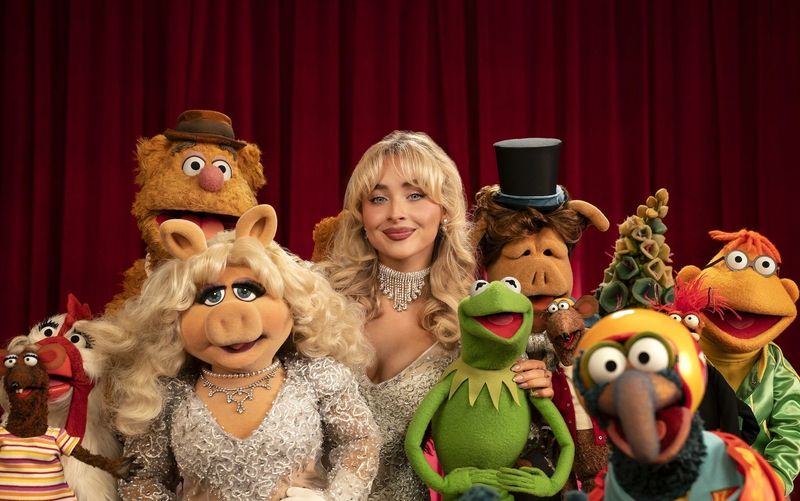
“The Muppet Show’s” 50th anniversary special was released on Disney+ on Feb. 4 to immediate fanfare. With Sabrina Carpenter as the special guest, Seth Rogen and Evan Goldberg as producers, and Tony Award winner Alex Timbers as director, it is not surprising the episode earned nearly 8 million views in its first week on streaming.
Muppet fans across the internet had been hyping this episode up since it was announced half a year ago. Writers for The Muppets had been focused on mockumentary or sitcom style formats in the past decade, with the ABC series “The Muppets” and Disney+ series “Muppets Now” and “The Muppets Mayhem.” Audiences responded with overwhelming positivity to the return-to-basics show-within-a-show format. The style, comedy, visuals, and storyline perfectly integrated a contemporary feel into the decades-old formula.
Disney parks may be in the midst of a Muppet revolution, but it is hard to be certain. The Rock ‘n’ Rollercoaster ride is getting a Muppet-themed reimagining, but this is shortly after Disney decided to permanently close Muppet*Vision 3D, a beloved attraction and the last project Jim Henson worked on before his death.
However, not all hope is lost: it has been confirmed that this special served as a “backdoor pilot,” testing the waters for a full-blown spin-off. Because of the episode’s absurd success, Disney may realize that viewers desire an official “Muppet Show” reboot.
The resurrection of late-night TV
Late-night TV is a staple of American pop culture. However, the traditional broadcast model is experiencing a significant decline in financial viability as audiences have largely migrated to YouTube and podcast platforms for comedy, news, and celebrity interviews.
Industry analysts have noted that the increased partisanship of late-night TV has alienated many viewers across the political spectrum, further limiting its potential audience to liberal/centrist middle-class Americans who still watch traditional TV.
Political comedy is highly profitable for a segment of audiences. However, in the current political climate, it is difficult for a show to address hot-button issues without either offending or saddening a large portion of its viewership.
The relationship between late-night TV and social media is a bit of a double-edged sword. Shows can reach billions of views across social media platforms long before or long after an episode airs, but this has also caused ratings to drop drastically, as younger viewers prefer to watch a few minutes of “highlights” rather than two hours of an ad-filled broadcast.
This means many shows need to cut costs and balance their live viewership and social media virality. If this special was any indication, The Muppets have mastered transferring social media hype to phenomenal ratings. Clips of Sabrina Carpenter “arresting” Miss Piggy on her “Short n’ Sweet” tour in late 2025 quickly went viral, building excitement for the pair’s crossover.
The Muppet cast also went on a traditional press tour, with Kermit on “Jimmy Kimmel Live!,” Pepe the King Prawn on “Good Morning America,” and even a Kermit and Piggy playing with puppies “Buzzfeed” interview.
This marketing campaign was an obvious success, as Gen Zers who only remember The Muppets through movies and reruns were drawn in by the characters’ whimsy and unexpectedly mature comedy. The Muppets also refreshingly defy the late-night format — having a variety show with clear heart and a cohesive story — while keeping the comedy and celebrity cameos people love.
A unifying force
“The Muppet Show” is known for the hilarious dynamic between a very famous, talented celebrity and surprisingly quick-witted, hand-controlled puppets. The original show featured many Hollywood royalty: Carol Burnett, Julie Andrews, Elton John, Liza Minelli, and most of the cast of “Star Wars.” Having these celebrities perform with puppets as their castmates will never be unfunny.
During these guest appearances, the episode’s “bit” was usually centered on the celebrity’s on-stage personality: for example, Sabrina Carpenter unwittingly competing with Miss Piggy for Kermit’s affection.
These celebrity cameos are a major aspect of the multi-generational humor of “The Muppet Show.” The Muppets offer a slapstick-for-kids, satire-for-adults type of humor that draws everyone in the family to watch and enjoy the show.
At this moment, The Muppets are poised to be a powerful unifying force that extends beyond just their humor. The recognizable cast is a band of misfits, each with their own quirks and unique personalities.
The Muppet Theater is a place where a deeply insecure diva pig can have an on-and-off romance with a sincere frog leader, and a constantly failing scientist can run a segment alongside a creature that only speaks in “meeps.” These critters hardly have anything in common, and that is exactly why the messy theatre troupe works.
A revival of “The Muppet Show” offers an opportunity to teach audiences of all ages the importance of difference at a time when difference is demonized. The humor is based on universal human experiences rather than current issues, creating a much-needed “safe space” in late-night entertainment.
At its heart, “The Muppet Show” has always been about bringing people (and puppets) together, not despite their differences but because of those differences. It is the difference in personality, appearance, and motivation that makes each character lovable, memorable, and special. Henson said it best back in 1979, The Muppets are for “the lovers, the dreamers, and you.”
Grace Myatt is a Senior Staff Writer for the FSView & Florida Flambeau, the student-run, independent online news service for the FSU community. Email our staff at contact@fsview.com.
This article originally appeared on FSU News: Why ‘The Muppet Show’ is what TV needs right now
Reporting by Grace Myatt, Senior Staff Writer, FSView / FSU News
USA TODAY Network via Reuters Connect