The 2026 flu season is off to a heavy start with the spread of a new variant that has taken Florida by force.
Dubbed the “super flu,” the Centers for Disease Control and Prevention has alerted Florida, and 29 other states are now in the top tier of “very high” flu activity. Tallahassee hospitalizations have doubled since the 2025 Thanksgiving holiday for flu cases.

State data show the percentage of adults getting vaccinated against the flu has been ticking down after hovering near 40% of adults getting vaccinated for three straight years from 2020 to 2022. Add to that, the dominant strain is more contagious, and the vaccine being dispensed this year is not as well matched to fight the emerging strain as it has been in the past.
Here’s what you need to know about protecting yourself against a variant of a virus that has killed tens of thousands some years and ranks about 12th among what can send you to the grave:
What is a ‘super flu’?
The flu spreading rapidly across Florida is a new variant made up of flu proteins known as H3N2.
In addition, it emerged after this year’s vaccine was developed, which makes the flu defense not exactly a genetic match for taking on the virus attackers.
“It’s not that it’s much different than the flus of years past,” Dr. Joseph Zarraga of HCA Florida Capitol Hospital told the Tallahassee Democrat. “It’s not that its completely unique in terms of the type of virus but I would say this flu season is slightly more dangerous than the past years.”
What should I do if I get the flu?
There isn’t an official way to treat the flu, Zarraga said.
“There are some medications and antivirals that are directed towards slowing replication of the flu and shortening the duration of the flu,” Zarraga said. “We tell everyone to rest up, hydrate and isolate if they can from other people who are high risk and that’s people over 65, infants or people with respiratory problems.”
A visit to the hospital isn’t warranted if symptoms are normal, as over the counter medications should do the trick.
What are the symptoms?
Symptoms of the new virus are no different than common flu conditions, meaning headaches, nausea, vomiting, sore throat, cough and fever are all still evident.
Even when symptoms arise, getting tested may not be the first response necessary. There are three HCA freestanding emergency centers in Tallahassee and a main hospital.
“Every single one of our locations has seen approximately 20% increase not only in flu cases but in general viruses,” Zarraga said. “Although the flu is the majority of the sickness we are treating, we are also seeing a lot of people who are sick from normal colds and other viruses.”
It’s to the point where the network is running out of testing swabs and materials.
He added: “In the last two weeks we’ve definitely seen an almost 50% increase in most of our ERs, but we’ve seen a steady rise in daily cases since Thanksgiving.”
Doctors recommend that if symptoms become severe, like shortness of breath, changes in mental status, or extreme fatigue, patients should seek medical attention immediately.
Is it too late for a vaccination?
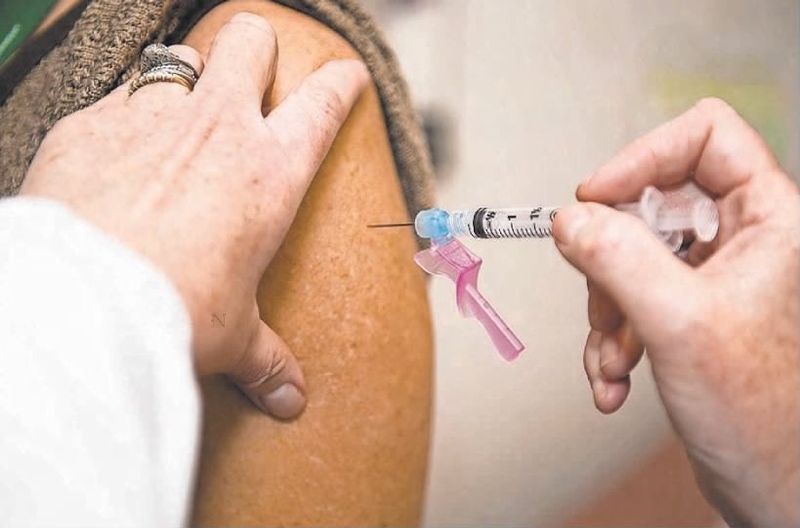
The earlier a vaccination, the better when preventing the flu virus, especially since it takes a few weeks to build up immunity. But it’s never too late to get vaccinated, doctors say. Although the super flu doesn’t match with the current vaccine, a flu shot can help ease the aggression of the symptoms if or when you get it.
“When the flu is not yet circulating very heavy in the area, it’s much easier to healthily and safely prevent sickness from the flu,” Zarraga said.
While experts say the best time to get vaccinated is October, when the cold and flu season starts, they still encourage the public to get the shot as soon as possible.
When to go to the ER for the flu
Hospitals are extra busy during flu season. Knowing where to go for care can make a big difference.
According to a list of tips posted by Tallahassee Memorial HealthCare online, those suffering with the flu bug should seek emergency care when certain symptoms are present.
Alaijah Brown covers children & families for the Tallahassee Democrat. She can be reached at ABrown1@gannett.com. Follow her on Twitter/X: @AlaijahBrown3.
This article originally appeared on Tallahassee Democrat: The ‘super flu’ is hitting Tallahassee hard. Here’s what we know
Reporting by Alaijah Brown, Tallahassee Democrat / Tallahassee Democrat
USA TODAY Network via Reuters Connect