Like a lot of 9 year olds, my dream was to become a professional athlete. But my hopes changed when I was diagnosed with Stargardt disease, a rare genetic eye condition that damages the macula.
The disease has caused progressive vision loss, leading to becoming legally blind.

Though my condition ended some aspirations, it also washed away other milestones — like getting my driver’s license or working a high school job. Instead, I was left with predetermined outcomes based on assumptions about my “limited” abilities.
Rather than encouragement, my future was treated with caution. Unlike peers who were invited to go “above and beyond,” I was often applauded for “trying my best.”
For years, I lived my childhood with that mindset, going through the motions with no clear direction — that is, until college.
During my first year at Walsh University, I experienced a different definition of accessibility that went beyond the assumptions placed on me.
Rather than checking accessibility boxes, my professors took the time to understand my disability. Those conversations created space where I could share what worked for me — and what didn’t — in the classroom. This new accessibility took me from years of autopilot to finding valuable mentors and a powerful network that introduced me to the marketing field.
A successful career providing digital media campaigns and cybersecurity was enough to show I could break barriers. Yet, I still wondered how other lives could be changed through allies like those I met at Walsh.
One in four Americans live with a disability. These individuals, like me, are given a second set of expectations, ones that don’t expect the same outcomes as a non-disabled individual.
For example, a disabled person, giving 100% in an activity is typically equivalent to a non-disabled person’s 70%. Disabled individuals must work twice as hard to match the same outcomes.
Though many disabilities begin in childhood or adolescence, it’s easy to forget how many will develop with age. In fact, two in five adults aged 65 and older have at least one disability.
Whether a short-term disability or a lifelong condition, whether from a car accident or a disease, most people are only one step away from living with their own disabilities.
These facts don’t mean accessibility should lower the bar for disabled individuals. They remind us that our schools, businesses, and community have a responsibility to meet in the middle.
Stark A11y, an all-volunteer resource hub connecting disabled individuals and organizations, was designed to make Stark County the most accessible place to live, work, and play. We believe changing the accessibility narrative will make Stark County barrier-free for all.
Our board of directors was intentionally constructed for this mission with at least 50% representation from the disabled community. This mirrors our vision for an inclusive Stark County that invites everyone into the accessibility conversation.
As founder and executive director, I also relinquished all decision-making responsibilities to ensure Stark A11y remains a voice for the community, rather than my own initiatives.
Our efforts have included advocating with the City of Canton for updates like adding tactile paving for the visually impaired. Others have taken us into workplaces to train teams on accessibility.
But our most important role is education.
Accessibility can be uncomfortable. We know many want to help but are unsure how to make a difference. By focusing on education, Stark A11y is spreading awareness and lowering the barrier to life-changing conversations.
Whether one-on-one discussions, community meetings, or facilitated trainings, Stark A11y is making a space where people can better their understanding of accessibility and learn ways to help disabled individuals become full participants in our community.
Our monthly meetings are one way we spread awareness. Held the third Wednesday of each month from 5 to 7 p.m., they highlight service providers who advocate for disabled individuals or provide adaptive technologies. Here, community members can learn about their disabled neighbors and discover ways to make Stark more accessible.
Monthly meetings are open to all and can be attended in-person at the Goodwill Ken Weber Community Campus or through our online portal.
Though Stark A11y is dedicated to breaking barriers, we know Rome wasn’t built in a day. For us, it isn’t about results alone, but maintaining a trajectory of continuous improvement.
Become an ally who meets disabled neighbors in the middle. Get involved by visiting the Stark A11y website, joining a monthly meeting, or sharing your accessibility story.
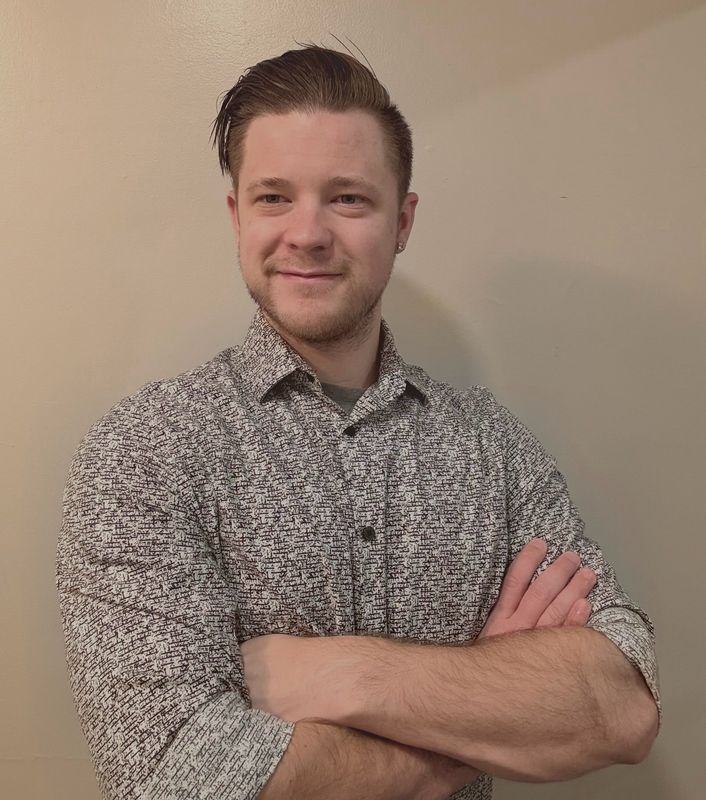
James Warnken is the founder and executive director of Stark A11y, an all-volunteer accessibility resource hub dedicated to making Stark County the most accessible place to live, work, and play.
This article originally appeared on The Repository: New Stark A11y serves as resource hub for those with disabilities | Opinion
Reporting by James Warnken / The Repository
USA TODAY Network via Reuters Connect