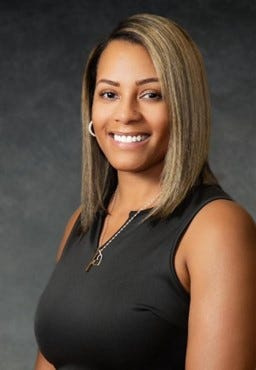
Daneé Pinckney is a high school English teacher in Twinsburg. The Ohio State graduate was named the 2025 Ohio Teacher of the Year by the Ohio State Board of Education.
My parents worked hard for a slice of the American Dream, and the crust on that pie was a good education for their children.

By junior high, we moved to the suburbs, far from my dad’s toilet-less shack in Awendaw, South Carolina, and my mom’s food-stamp-filled fridge on Fruit Street in Youngstown, Ohio. They could finally sigh with relief: their babies would have better.
Little did they know that a better education often comes à la mode with a scoop of microaggressions for little Black children in the suburbs.
The ugliest realities in ‘good’ schools
The pursuit of a good education in America isn’t just about academics. It’s also about dignity, equity and inclusion—none of which were promised to kids who looked like me.
My brothers and I experienced some of our ugliest realities in “good” schools. I remember learning about slavery and seeing glances of pity.
“I was never a slave,” I’d think.
Peers would duck and yell, “Daneé is axing questions again!”
My teacher once announced to our class, “If Daneé can do it, any of you can,” even after questioning my belonging in honors classes in the first place.
When people argue that students shouldn’t feel shame while learning, I wonder if they think of me.
Years later, when my dream job brought me back to the suburbs as a teacher, those scars resurfaced. Making up only about 7% of teachers, Black educators are a rarity. I shrank from attention and overcompensated to prove I belonged.
We honor a fuller story of American life
I almost walked away from what I had always hoped for: a career providing young people with what my parents always wanted for me — a good education.
A senior once told me how disappointed he was to graduate without ever having me or any teacher who looked like him.
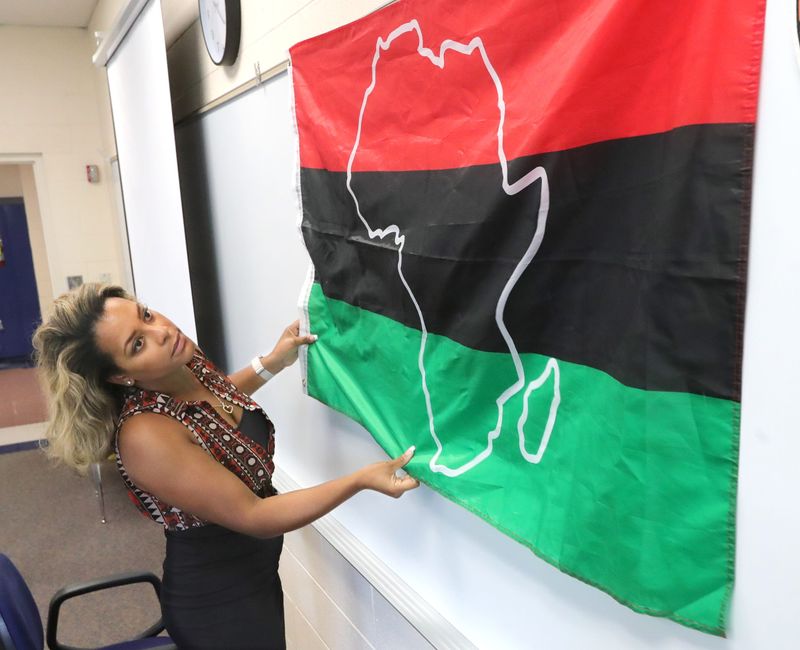
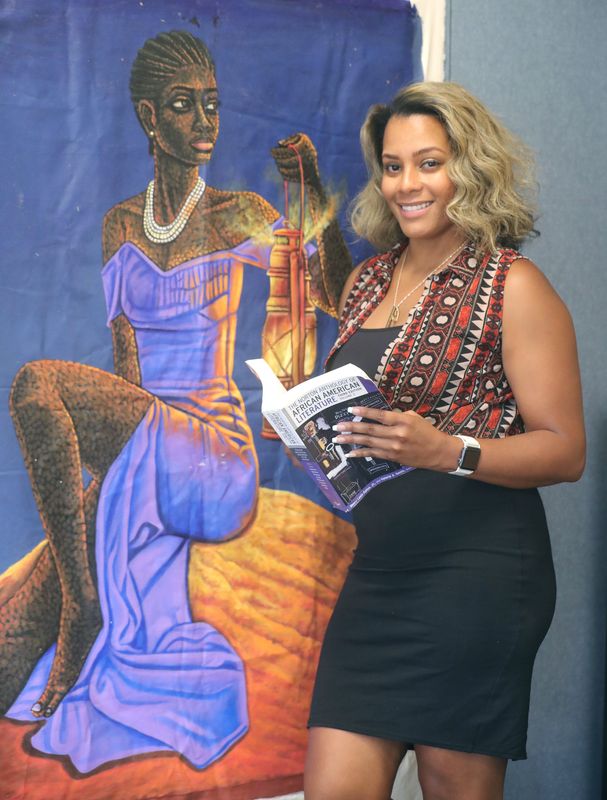
Because of that senior, I created a Black literature course exploring Africa through U.S. history, modern culture, language and identity.
Students of all backgrounds take the class, where we read, discuss, and honor a fuller story of American life. Through inclusive education, students can finally see themselves in the American Dream, even when they hadn’t before.
For many, college is their first shot at seeing themselves reflected in the classroom and in a curriculum. Ohio’s Senate Bill 1 threatens even that, and K-12 teachers working to provide representation and belonging long before kids become adults know that what affects higher education won’t stop there.
Lately, I’ve looked into the worried faces of underclassmen who have anticipated the opportunity of this class as they question, “What if they take it away before I get a chance?”
In them are reflections of a younger me.
Students hunger to engage with diverse perspectives, to connect more to their learning, to each other, and to themselves. Collaborating with students on what equity looks like motivates us to stay engaged in our school and in the world.
It’s disheartening knowing many students wait until college to experience this, and how many, now, may never.
I’m reminded of my civics teacher who once said: “America is a melting pot to some, a salad bowl to others, but it belongs to us all.”
If we censor belonging, we don’t provide students with a good education. Instead, we send the next generation away from the dinner table without dessert.
And a dinner without dessert is a shame.
Daneé Pinckney is a high school English teacher in Twinsburg. The Ohio State graduate was named the 2025 Ohio Teacher of the Year by the Ohio State Board of Education.
This article originally appeared on The Columbus Dispatch: I faced the ugliest realities in ‘good’ schools. I now worry about my students | Opinion
Reporting by Daneé Pinckney / The Columbus Dispatch
USA TODAY Network via Reuters Connect