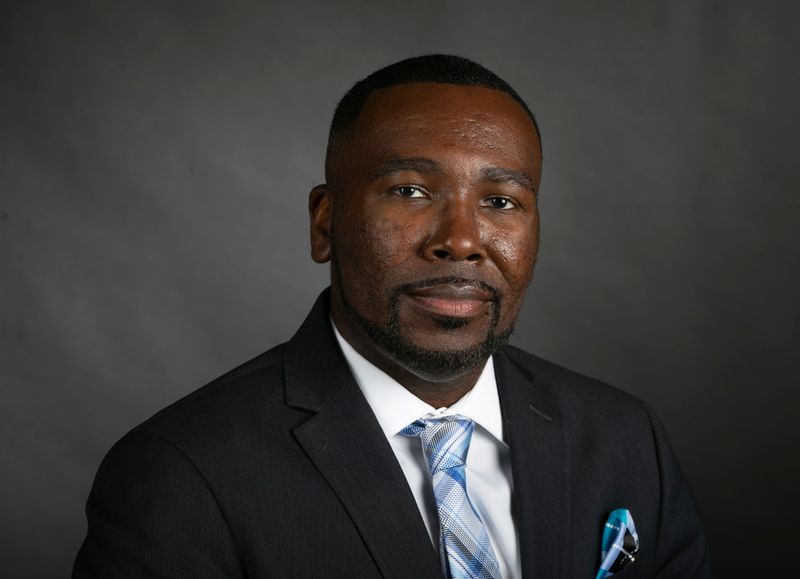
I get a lot of feedback on the opinions I write − more than I can always respond to. But now and then, a letter and my reply feel worth sharing more broadly. That’s the case with a reader named Joe who responded to my recent column on Hamilton County Prosecutor Connie Pillich.
“Mr. Aldridge, what a big swing and miss in today’s column regarding Prosecutor Pillich, with respect to Mr. Hinton Jr.’s case. Hamilton County residents did not elect a prosecutor to be a mealy-mouthed criminal-coddler. Mr. Hinton made a breathtakingly stupid and criminal choice that ended, quite predictably, in his death. Cincinnati has had it with young people stealing cars, shooting up our public spaces, and murdering each other in the streets. Hinton Jr. was clearly part of this problem. Hamilton County’s young people should be aware that the use of deadly force will be met with deadly force. They can (expletive) around and find out, like Mr. Hinton Jr., but it’s a shame you’re leading them down that path with your enabling words. Being progressive doesn’t mean being a pushover. Pillich made the obviously correct choice to decline prosecution.”

Here’s my response to Joe and others who share his view.
Joe, thanks for writing. I mean that sincerely. A community that can’t challenge itself − civilly − stops getting better. On this question of Prosecutor Connie Pillich’s decision to bypass a grand jury in the death of Ryan Hinton, we clearly differ. But disagreement doesn’t have to turn into dismissal.
Power, responsibility and the bare minimum of oversight
Police officers take on a burden most of us can’t fully comprehend. Every day, they step into situations that could turn deadly. Every knock on a door, every traffic stop, could be their last. They see violence up close − the shootings, the blood, the trauma most of us only encounter on TV. Some officers carry the weight of those moments long after the shift ends. Many suffer from PTSD. Not enough of them seek treatment for it because of the stigma.
So yes, it’s easy to see why officers might act with extreme caution when they sense a threat. That instinct to survive isn’t cowardice. It’s human.
But so is accountability.
Police officers carry a badge, a weapon and society’s license to use deadly force. That extraordinary power ought to trigger extraordinary scrutiny every single time it’s exercised − no matter the race of the officer or the person on the receiving end. Calling for a closer look when an officer takes a life isn’t about blaming cops − it’s about making sure justice is carried out fairly and transparently.
That’s not anti-police. It’s pro-democracy. It’s how we keep trust from eroding between the public and law enforcement.
Let the people judge
Nowhere in my earlier column did I declare the officer in question “guilty.” What I questioned was why Pillich chose not to let a grand jury see the evidence. That single decision shut the door on a process designed to give the public confidence that justice is not just swift, but sound.
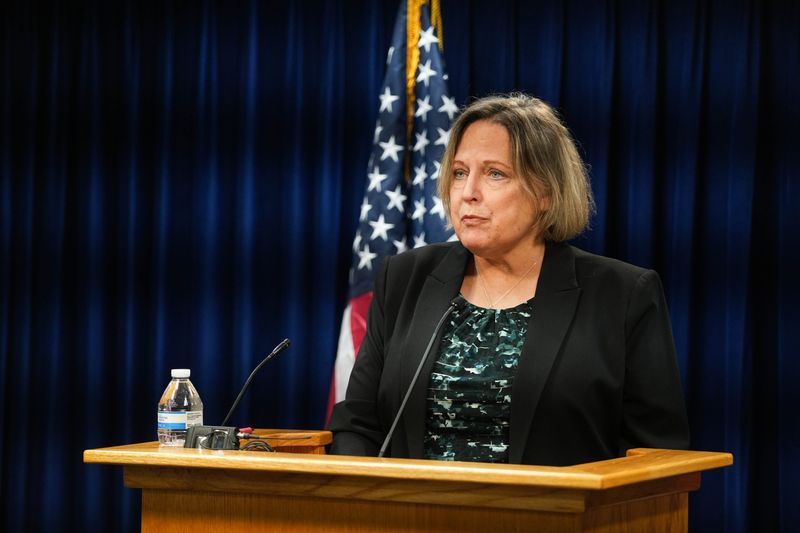
To be fair, I understand that Pillich has a duty not to send cases to the grand jury she doesn’t believe are indictable. There are a decent number of cases every year that never make it to a grand jury for this reason. If she believed the evidence didn’t support a charge, presenting it to a grand jury could have undermined the case from the start. That’s not ideal either.
Still, with a case that some (including Hinton’s family) felt was far from cut and dry − where video leaves room for interpretation and public trust is already fragile − some kind of public, independent review would have helped the community process the outcome. Even if the grand jury declined to indict, at least we’d know the decision came from citizens, not just one person.
By pulling the plug herself, Pillich made the community swallow a conclusion it never got to taste-test.
Bad choices, unequal consequences
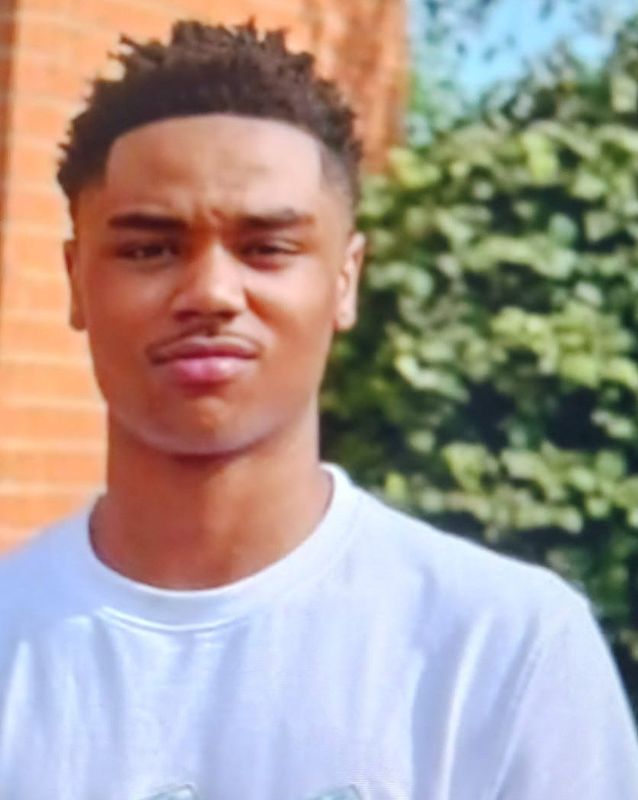
Ryan Hinton made a series of terrible decisions: stealing a car, carrying a gun, ignoring police commands. I tell every young person I mentor exactly what you do, Joe − don’t commit crimes, respect authority, understand guns kill. Hinton bears the heavy weight of his own choices.
But so does the officer who fired the fatal shot. Real justice would have put Hinton in front of a judge to answer for his alleged crimes alive, not on a slab in the morgue. When police training manuals talk about “going home safe” at the end of every shift, they’re not supposed to mean only the officer’s home.
Why restraint still matters
We used to believe the good guys didn’t shoot first. Today, that feels quaint − until you remember the examples that prove it’s possible. A man guns down a Minnesota lawmaker and her husband, trades fire with responding police and is later captured unharmed. Dylann Roof slaughters nine worshipers in a South Carolina church and is arrested without a bruise − including a detour to Burger King on their way to the station.
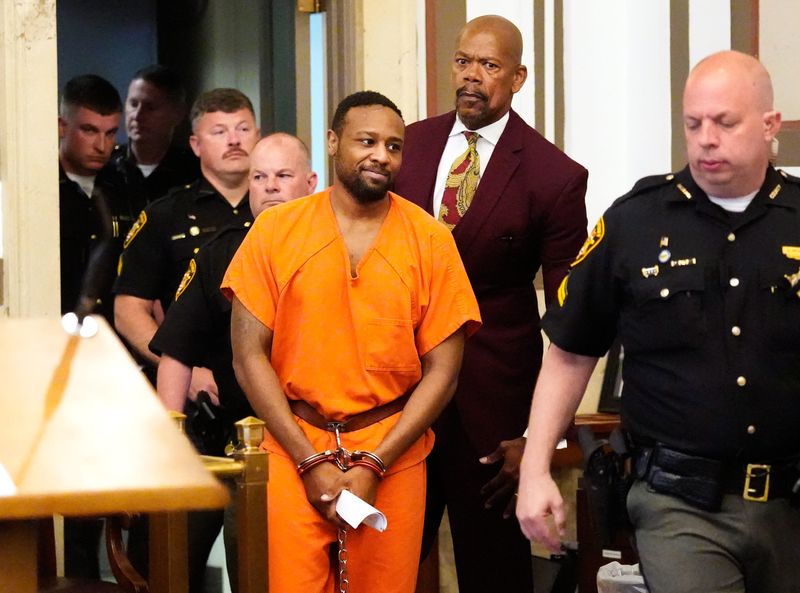
And lest you think I’m race-baiting, Hinton’s father, Rodney Hinton Jr., was taken into custody by police without incident after he intentionally drove his car into a Hamilton County sheriff’s deputy, killing him. Rodney Hinton Jr. may very well die as a result of his horrific actions, but only after he goes on trial and a jury finds him guilty in the death penalty case.
So, forgive folks who struggle to reconcile those arrests and others like them with the killing of an 18-year-old who never fired a shot, never uttered a threat, and whose supposed gun-pointing is questionable even on slow-motion replay.
If callous killers can get their day in court, why can’t an alleged car thief?
Accountability is not betrayal
Joe, you and I agree on at least one thing: Cincinnati is sick of stolen cars, stray bullets and funerals before high-school graduations. Holding young offenders accountable is non-negotiable. But holding officers accountable to the same legal process is non-negotiable, too.
It hurts that asking for accountability from police is often framed as not supporting them. I do support them. I want every officer to make it home safely, just like everyone else. But that safety can’t come at the expense of public trust.
We can’t keep acting like transparency is an attack. It’s a safeguard − for officers, for families, for communities. Grand juries exist so no one person − cop or prosecutor − has to carry the full weight of judgment alone. That’s how we share the burden of justice.
If we’re going to demand personal responsibility from a kid like Ryan Hinton, we can demand institutional responsibility from law enforcement and prosecutors.
Toughness isn’t trigger-pulling
You call Pillich’s decision “obviously correct” because it signals to young people that “deadly force will be met with deadly force.” But fear alone − on either side of the badge − has never been a substitute for justice. Toughness isn’t measured by how quickly we close a case; it’s measured by how faithfully we follow the rules even when emotions run hot.
The officer in this case might very well have been justified. He may have made the best decision in four to six chaotic, dangerous seconds. But we’d all feel a little more confident in that conclusion had the evidence been laid out and reviewed in a grand jury room.
Pillich wants residents to just trust her on this. That’s a tall order for some. It’s not personal. Think of it as PTSD from feeling burned by the justice system too many times. Some Cincinnatians are like former Bengals head coach Marvin Lewis: They see better than they hear.
I don’t doubt Pillich’s integrity. Her service to our country in the Air Force speaks to her character and strong moral principles. She’s the prosecutor and has every right to make such calls. Just as those supporters who are disappointed by her judgment have every right to call her out. That’s not “mealy-mouthed criminal-coddling;” that’s ensuring the good guys (and gals) stay that way.
Keep writing, Joe. And I’ll keep listening. The conversation matters.
Opinion and Engagement Editor Kevin S. Aldridge can be reached at kaldridge@enquirer.com. X, formerly known as Twitter: @kevaldrid.
This article originally appeared on Cincinnati Enquirer: Opinion | Holding young offenders accountable is non-negotiable. The same goes for police
Reporting by Kevin S. Aldridge, Cincinnati Enquirer / Cincinnati Enquirer
USA TODAY Network via Reuters Connect