

By Jasper Ward
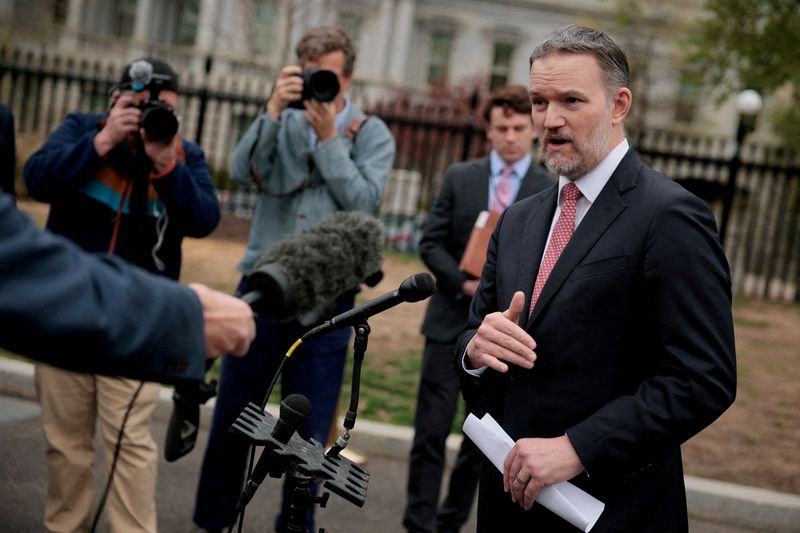
WASHINGTON, June 18 (Reuters) – The U.S. has launched a trade investigation into a German plan to lower its spending on pharmaceutical products, to see whether it is unreasonable or discriminatory, U.S. Trade Representative Jamieson Greer said on Thursday.

The probe comes under Section 301 of the Trade Act of 1974, Greer said, adding that his office will open a docket for submission of written comments on June 25 and its Section 301 Committee will hold a public hearing on the probe in September.
“I am particularly concerned with news that Germany is fast-tracking legislation that would further reduce its spending on innovative pharmaceuticals,” Greer said.
The German Embassy in Washington did not immediately respond to a request for comment.
The investigation, the sort of which Washington has already launched into dozens of other countries, comes after the German Ministry of Health unveiled plans in April for a wide-ranging overhaul of the country’s statutory healthcare system to reduce a looming funding gap by 20 billion euros ($23 billion).
The plan, which would have introduced variable discounts on pharmaceuticals, is being replaced after the pharmaceutical industry expressed opposition to it, a German government source told Reuters on Monday.
Since returning to power last year, U.S. President Donald Trump has carried out an aggressive trade agenda, which has resulted in the imposition of a 10% global tariff and threats of 100% tariffs on imports from countries like China and France.
Earlier this month, the Trump administration proposed tariffs of up to 12.5% on imports from 60 countries after determining they had failed to curb trade in goods made with forced labor following a Section 301 investigation.
The conclusion of the investigation could result in the U.S. taking tariff-related action on German imports.
(Reporting by Jasper Ward in Washington; additional reporting by Kanishka Singh; editing by Scott Malone)
By Jasper Ward | Reuters | © Copyright Thomson Reuters 2026.
