By Andrius Sytas
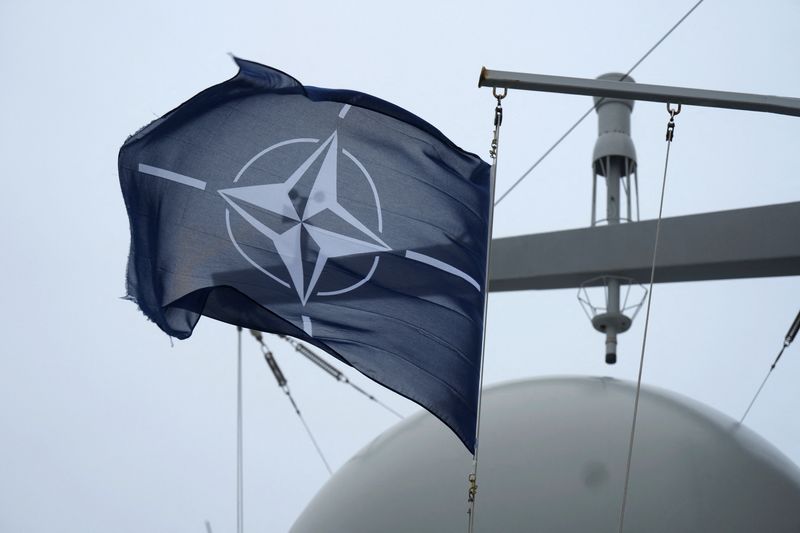
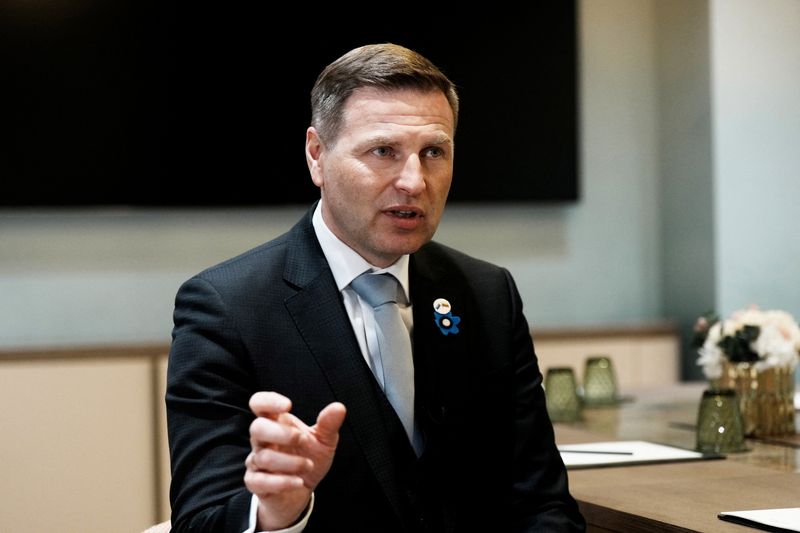
VILNIUS, April 17 (Reuters) – NATO member Estonia has no doubt that the United States would help defend it if Russia attacks, its defence minister told Reuters, while warning that Europe is not ready to stand up to Moscow on its own.

Estonian intelligence warned in February its neighbour Russia is already stockpiling ammunition for future wars after the conflict in Ukraine ends. Russia has described allegations by European leaders that it could attack NATO as nonsense.
U.S. President Donald Trump this month threatened to pull the U.S. out of the alliance over European members’ refusal to send ships to unblock the Strait of Hormuz near Iran. The alliance was already rattled by his plans to take over Greenland from Denmark, a NATO ally.
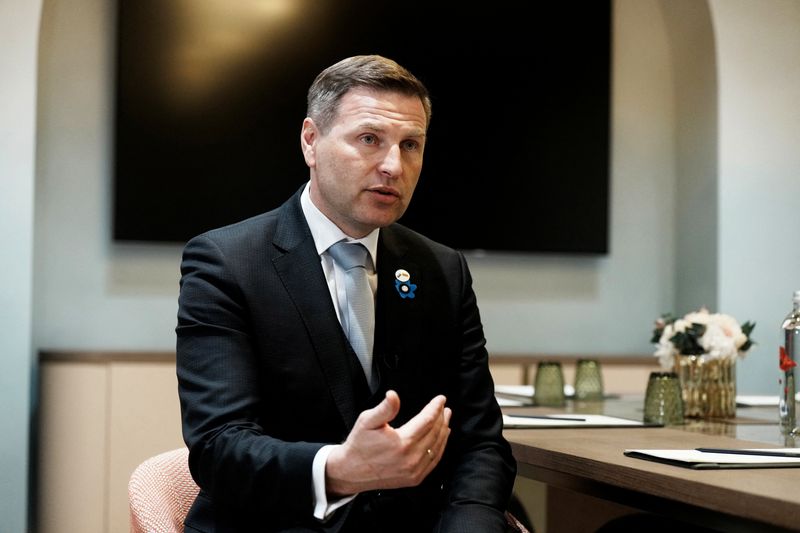
But Hanno Pevkur, defence minister of Estonia, told Reuters he was in no doubt that the U.S. would come to its defence if Russia attacks.
“Yes I trust the U.S. and yes I trust all our allies,” he said during a visit to the Lithuanian capital Vilnius on Thursday.
He said the U.S. needs Europe for its military as much as Europe needs the U.S., so “I don’t believe that NATO will collapse”.
He compared NATO’s current strains to a long marriage: “There are no 50 years of purely smooth sailing. You have differences and problems, and you need to work through them.”
But the minister said Europe is not ready to stand up militarily on its own now.
“Are we there where we want to be? No”, he said. “All of us (in NATO) need to invest more into defence”.
He said most NATO members are not upholding the agreement last year by heads of NATO members to increase their spending to at least 5% of gross domestic product (GDP) that Trump demanded.
Estonia is due to spend 5.1% of its GDP this year, among the highest in NATO.
Looking beyond Europe, Pevkur said NATO should focus on helping end the conflict in Iran, arguing this could allow the United States to shift more attention back to Ukraine.
“Once it’s resolved, there is a chance to bring more U.S. focus towards Ukraine,” he said. “For our region, that remains the main problem.”
(Reporting by Andrius Sytas in Vilnius; editing by Philippa Fletcher)