Waving two fingers in front of a person’s face and asking, “How many fingers am I holding up?” was state-of-the-art concussion assessment when psychologist Michael McCrea started working with brain injury patients.
Over the last 30 years, he’s witnessed extensive progress in diagnosing traumatic brain injuries, or TBIs.

But research on effectively treating someone after a TBI diagnosis is still limited.
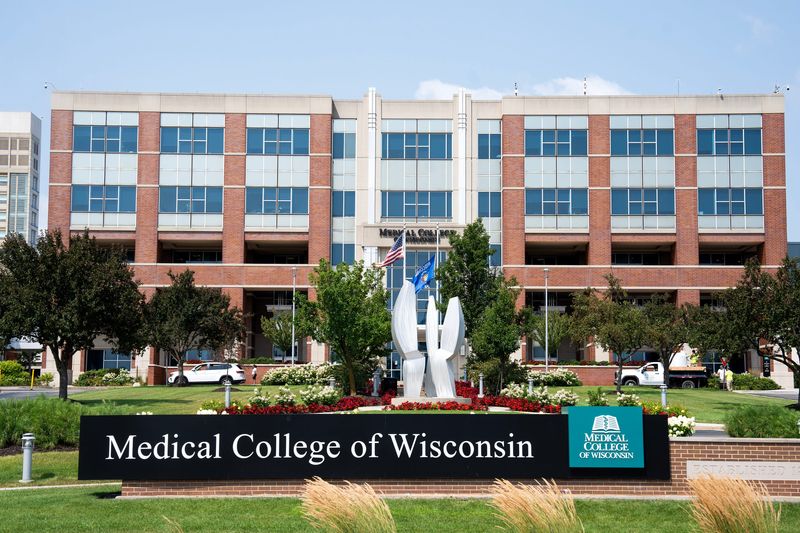
To help narrow this gap, McCrea and other researchers at the Medical College of Wisconsin are leading a new multi-center trial to evaluate a novel rehabilitation for TBIs in military veterans and first responders.
The trial, which will involve more than 400 veterans and first responders, is sponsored by the Avalon Action Alliance, a nonprofit that connects veterans and first responders who have TBIs and related issues to care providers and treatment programs.
In addition to the Wisconsin Institute of Neuroscience – located at the Medical College – the study will take place at four other sites: the University of North Carolina, Chapel Hill; University of Florida Health Jacksonville; University of Colorado Anschutz; and Pennsylvania’s Jefferson Health.
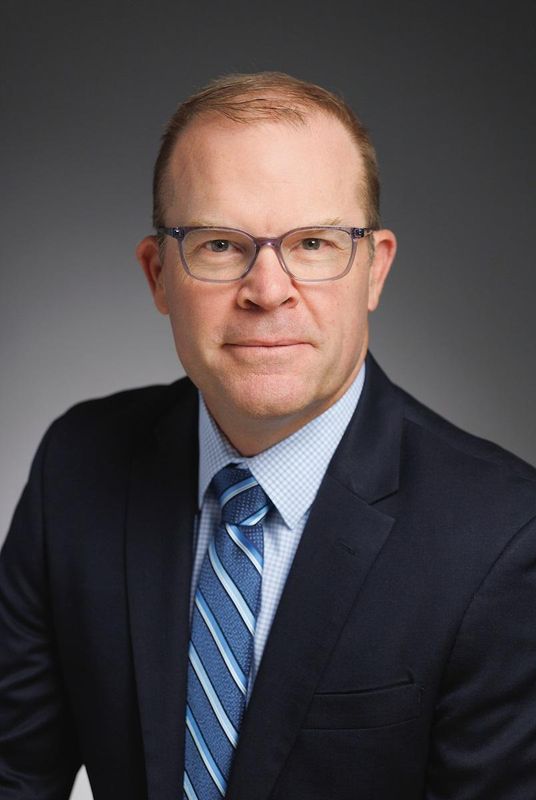
McCrea, professor and vice chair of research in the Department of Neurosurgery at the Medical College and interim executive director at WINS, is the principal investigator across all five sites. He embraces multi-center studies.
“When you bring a group of experts together, everybody sees the target through a slightly different lens,” explained McCrea. “From the start to the finish of even a trial design, it’s enhanced by the perspectives of the entire group, not just the single principal investigator.”
The proposed rehabilitation model is an intensive, three-week outpatient program that provides individualized medical, psychological, physical and social care. The program is already in use at different Avalon sites, with promising results.
“We have seen the value of this intervention model in our patient population anecdotally and qualitatively,” said McCrea. “But the ultimate standard, the ultimate rigor, for the effectiveness of a treatment is a randomized controlled trial, and that’s what we’re embarking on here.”
McCrea also believes the trial will help improve care not only for veterans and responders, but anyone in the general population dealing with TBIs.
Traumatic brain injuries are complex health conditions
Traumatic brain injuries, particularly mild cases, are a leading cause of long-term disability and neurological impairment globally and have impacted more than 500,000 veterans since 2000, according to data from the U.S. Department of Defense. Russel Gore, chief medical officer at Avalon, believes the actual numbers are much higher.
But McCrea and Gore both said the U.S. lacks an organized system of care for TBIs.
“The standard of care is essentially to do nothing,” said Gore. “[People] are recommended for follow-ups that often aren’t realistic. There are very few sites that bring the resources together to manage these injuries appropriately.”
People who arrive to emergency rooms or doctor’s offices with TBIs are often told there is nothing that can be done or are recommended treatments that require too much coordination for a struggling individual.
The varied nature of TBIs also makes treatment difficult. A traumatic brain injury refers broadly to any brain injury that results from an outside force on the head or body. These range from mild to severe.
TBIs can be penetrating or non-penetrating. A penetrating TBI occurs when an object pierces the skull and enters the brain tissue, typically causing localized damage. A non-penetrating TBI is caused by an external force like a push, fall, or crash that’s strong enough to move the brain within the skull.
Gore emphasized that repeated exposure to blunt force to the head or body can also cause TBIs, even if there’s no single major event resulting in a concussion.
Football players typify this phenomenon. Risk of developing Chronic Traumatic Encephalopathy is linked to the number of head impacts over time, not the total number of diagnosed concussions.
TBI symptoms vary across severity levels, but in the short term include headache, dizziness, nausea and/or vomiting, fatigue, blurred vision and sensitivity to light or sound. Even mild ones can cause cognitive impairments that last for months or years. In cases of persistent or chronic TBI, the initial injury disrupts normal brain function more severely resulting in long-lasting impairment in regions involved in memory, balance, movement control and cardiovascular regulation.
Frontal lobe damage from TBIs also can alter a person’s personality in ways that are difficult for friends and family to understand. People with TBIs may have a shorter fuse, be more argumentative, display inappropriate behavior, make riskier decisions and begin abusing substances.
TBIs commonly co-occur with depression, anxiety and other mental health problems.
Joe Brennan, chief executive officer of Avalon, noted that the issue of co-occurrence relates to the basic premise of Avalon. The organization focuses on the three leading causes of veteran suicide – mild chronic TBI, post-traumatic stress and substance abuse.
“These three are very intertwined, but they aren’t treated, necessarily, together across the board,” said Brennan. “The idea of Avalon is to fund and then to integrate as much as possible so people get the care they need.”
The program brings together multiple types of intervention including physical, occupational and speech therapies, mental health treatments and even equestrian and recreational therapies.
It’s delivered over a three-week period, but different therapies can be adjusted dependent on what a patient struggles with most.
The goal is to see improvements in life quality, in which patients would be able to resume exercise, maintain employment again, and have better relationships with their families.
Impact of trial could extend beyond veterans, first responders
While the clinical trial will be done specifically in military veterans and first responders, once completed it could have ripple effects in many different directions. For example, if the treatment passes clinical trial, it could become a new standard of care for everyone in the general population struggling with TBIs. That would also open the door to insurance coverage.
Gore and Brennan, who both have military backgrounds, have personal experiences with the injuries.
Gore, who served as an Air Force flight surgeon, recalled seeing these brain injuries in real time and caring for people during the evacuation process. Years later, when he worked at the Shepherd Center for Brain and Spinal Cord injury in Atlanta, he often encountered people who were injured in conflicts at which he was present.
“I would be meeting people, now years later, who were injured in Fallujah for example, and I’d have an opportunity to kind of see where they landed,” said Gore. “It was really striking just the level to which people are resilient but also suffering.”
Donnisa Edmonds is a 2026 Mass Media Fellow at the Journal Sentinel through the American Association for the Advancement of Science. She can be contacted at dedmonds@usatodayco.com.
This article originally appeared on Milwaukee Journal Sentinel: Medical College researchers leading trial on traumatic brain injury care
Reporting by Donnisa Edmonds, Milwaukee Journal Sentinel / Milwaukee Journal Sentinel
USA TODAY Network via Reuters Connect
By Donnisa Edmonds, Milwaukee Journal Sentinel | USA TODAY Network