As the Great Lakes face mounting pressures, a new binational assessment offers a mixed report card on the health of the world’s largest surface freshwater system. But whether it gives a complete picture is another story.
The U.S. EPA and Canada released the 2025 State of the Great Lakes on Jan. 20, outlining successes and ongoing threats to the Great Lakes. The report, which has been released every three years, scores each lake based on indicators established in the Great Lakes Water Quality agreement, a commitment between the two countries to protect and restore the Great Lakes.

In the new report, each of the five Great Lakes gets a score − good, fair or poor − as well as an indicator showing if the lake is improving, deteriorating, unchanging or shows no trend. These scores are based on nine factors that assess ecosystem health: drinking water, beaches, fish consumption, toxic chemicals, habitat and species, invasive species, nutrients and algae, groundwater, and watershed impacts.
But there were also key missing pieces, one of which was climate change.
Climate change was an important theme in the 2022 report, described as an emerging threat exacerbating other challenges. The term wasn’t included in the latest report.
Here’s what to know about how the Great Lakes are faring.
Great Lakes drinking water, beaches are bright spots
The status of treated drinking water from the Great Lakes continues to be good and unchanging for the past decade, according to the report. More than 40 million people rely on the Great Lakes for drinking water, with about half of those being U.S. residents. In 2023, 97% were serviced with drinking water that met all health standards, the report says.
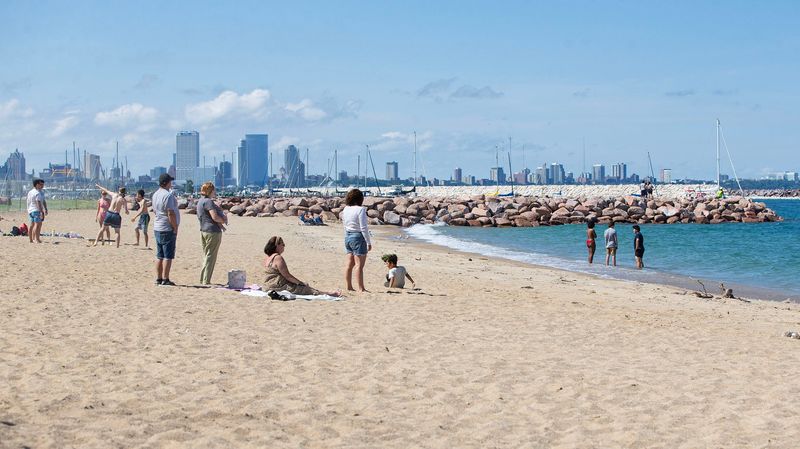
Beaches, which are enjoyed by millions of people each year and contribute significantly to local economies, also were listed as good and unchanging for the past decade. However, some beaches are still listed as unsafe, largely due to bacteria contamination.
Specifically, Lake Michigan beaches were listed as good and improving. Efforts like moving and rehabilitating Milwaukee’s South Shore beach, which has been considered one of the worst beaches in the country, play a big role in improving access to the water.
Invasive species impact has more than doubled
Invasive species were scored based on prevention and impact, which were good and poor, respectively. According to the report, prevention efforts are working as the number of new invasive species that have entered the Great Lakes has been significantly reduced. However, the ones already in the Great Lakes, like zebra and quagga mussels and the emerald ash borer, are still causing substantial ecological and economic harm.
In fact, the report says that since 1950, the cumulative impact − which considers increase in numbers, spread and magnitude of impacts − has more than doubled.
Zebra and quagga mussels, which are considered the worst invaders in the Great Lakes, are native to eastern Europe, and arrived in the U.S. via ballast water in the late 1980s.
Invasive mussels eat up all the plankton, which form the base of the food web, causing fish populations to decline. They also have taken over reefs used as spawning habitat by fish and have pushed lake whitefish to the brink of collapse in lakes Michigan and Huron.
According to the report, invasive mussels populations are increasing in deeper waters in Lake Michigan. In Lake Superior, invasive mussel populations remain low and localized to coastal areas.
Efforts to control sea lamprey, a lethal parasite of many fish species, have successfully suppressed populations by 90% compared with before these efforts began. However, the report notes that due to restrictions during the COVID-19 pandemic, the three-year average population exceeds targets, highlighting the need for constant management of the parasite.
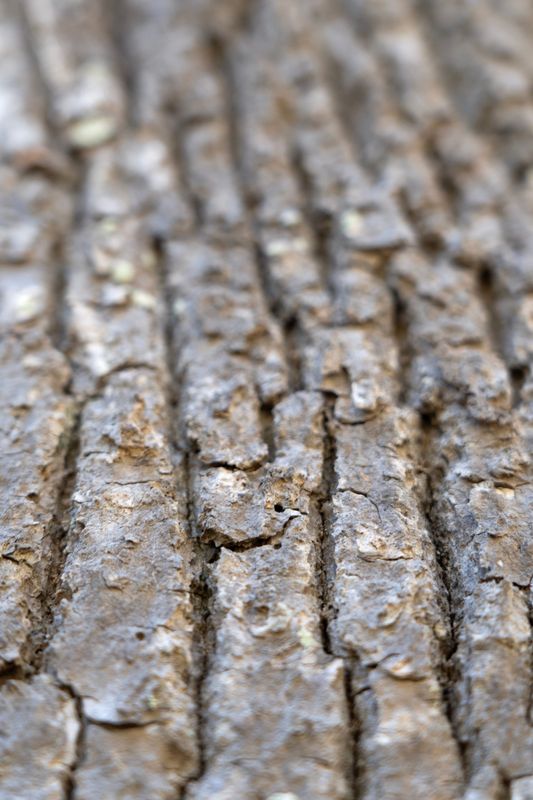
The report said the emerald ash borer continues to have devastating impacts on forests around the region. The invasive beetle bores into wood and kills ash trees by eating tissues under the bark. First detected in the U.S. in 2002, the emerald ash borer has killed hundreds of millions of trees, more than 50 million in the Midwest alone.
High nutrient loads, harmful algae blooms degrade water quality
Across the Great Lakes, nutrients and algae blooms were scored poor to fair as they continue to degrade water quality throughout the region, the report said. High nutrient loads continue to drive increases in blue-green algae blooms as well as Cladophora, a kind of algae that grows on the bottom of the lakes. Some blue-green algae blooms − which are actually caused by bacteria called cyanobacteria − can be harmful because they release a toxin known as microcystin.
Harmful algae blooms continue to be a significant problem in western Lake Erie, largely driven by nutrients from agricultural fertilizers that make their way into the lake via the Maumee River. These blooms also continue to negatively impact recreation and ecosystem health in more localized areas throughout the Great Lakes, like the bay of Green Bay in Lake Michigan, Saginaw Bay in Lake Huron and Lake St. Clair, between lakes Erie and Huron.
Algae blooms have even been forming in nearshore areas around Lake Superior, which scientists say is likely due to climate change warming the largest of the Great Lakes.
Cladophora grow to nuisance levels in nearshore areas of lakes Michigan, Erie and Ontario. Invasive mussels have even promoted the growth of Cladophora by clearing up the water and allowing more light to shine to the bottom.
The Great Lakes are evolving. Why not say the reason?
According to the 2025 report, long-term datasets show the Great Lakes are experiencing many physical changes, like more annual precipitation, warmer water temperatures and declining ice cover.
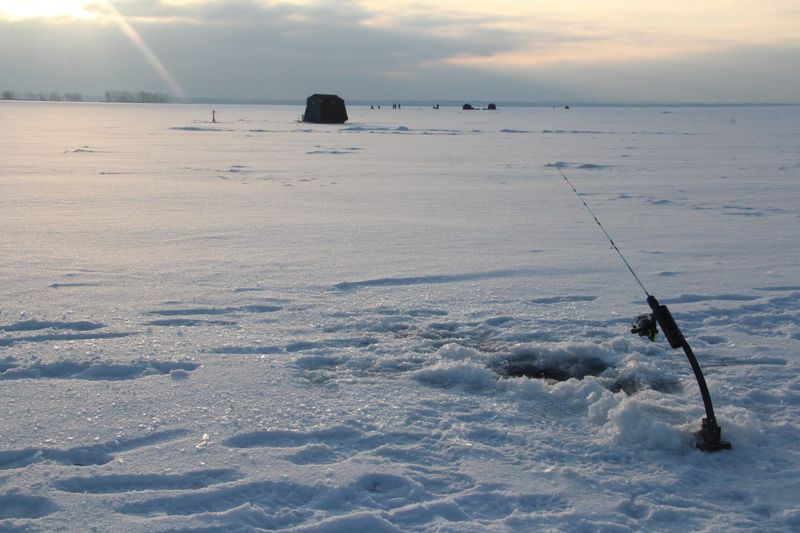
For instance, from 1973 to 2023, annual maximum ice cover has declined across all five lakes. Lake Superior has experienced the largest drop, with a 34% decline in maximum ice cover. And since 1980, surface water temperatures have warmed about 1 degree Fahrenheit per decade in lakes Superior, Michigan and Huron.
Climate change has been impacting the character of the Great Lakes for decades, and ignoring it doesn’t change the reality, Brammeier said.
Changes by the Trump administration will make it harder to track climate change impacts to the Great Lakes. For example, the administration has scrubbed mentions of climate change from government websites; begun dismantling the leading climate and weather research center; stopped updating the website that keeps track of billion dollar climate and weather disasters; and cut jobs and grants to many federal agencies that collect these data.
Regardless of what this administration chooses, Brammeier said, “We have to face this problem head on.”
The data doesn’t tell the whole story
Efforts around the region to clean up legacy pollution from industry and restore habitat have allowed many of the improvements noted in this report to happen, Brammeier said. Many communities are on the upswing, he said, able to move forward with development and improve their local economies.
In a statement on Jan. 23, the EPA touted those improvements. “An independent study found every dollar of federal spending on Great Lakes Restoration Initiative projects will produce $3.35 in additional economic activity in the Great Lakes region,” said a statement emailed by David Shark, press officer for the EPA Region 5. The statement went on to say, “Great Lakes Restoration Initiative-funded projects implemented since the program’s inception have prevented more than 2.6 million pounds of phosphorus from leaving agricultural watersheds and entering the Great Lakes, including more than 450,000 pounds of phosphorus in the last three years.”
But there is a story the report isn’t telling, and the indicators are disconnected from what people are experiencing on the ground, Brammeier said. For instance, there are many communities throughout the region that can’t rely on their drinking water supplies because of lead pipes or affordability challenges.
“It calls for a fresh look at what it means for the Great Lakes region to be healthy,” Brammeier said.
This story was updated to include new information.
Caitlin Looby covers the Great Lakes and the environment for the Milwaukee Journal Sentinel. Reach her at clooby@gannett.com and find her on X @caitlooby. All of her work and coverage decisions are overseen solely by Journal Sentinel editors.
Caitlin is an Outrider Fellow whose reporting also receives support from the Brico Fund, Fund for Lake Michigan, Barbara K. Frank, and individual contributions to the Journal Sentinel Community-Funded Journalism Project. The project is administered by Local Media Foundation, tax ID #36-4427750, a Section 501(c)(3) charitable trust affiliated with Local Media Association.
This article originally appeared on Milwaukee Journal Sentinel: Great Lakes report card outlines wins, losses. But what’s missing?
Reporting by Caitlin Looby, Milwaukee Journal Sentinel / Milwaukee Journal Sentinel
USA TODAY Network via Reuters Connect