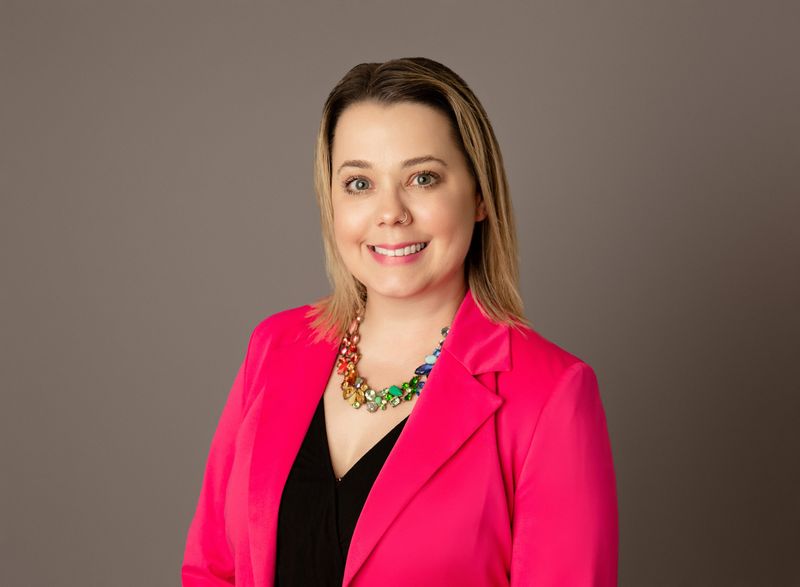
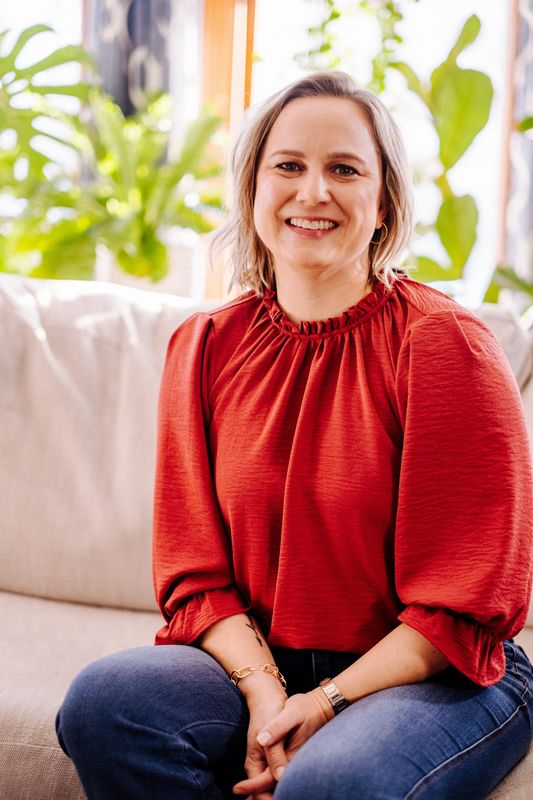
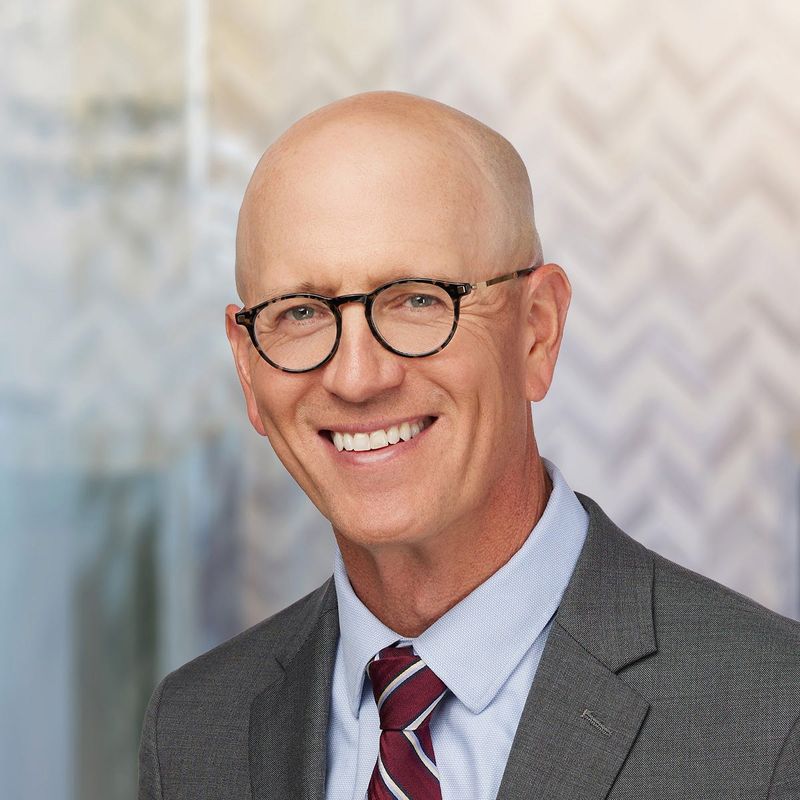
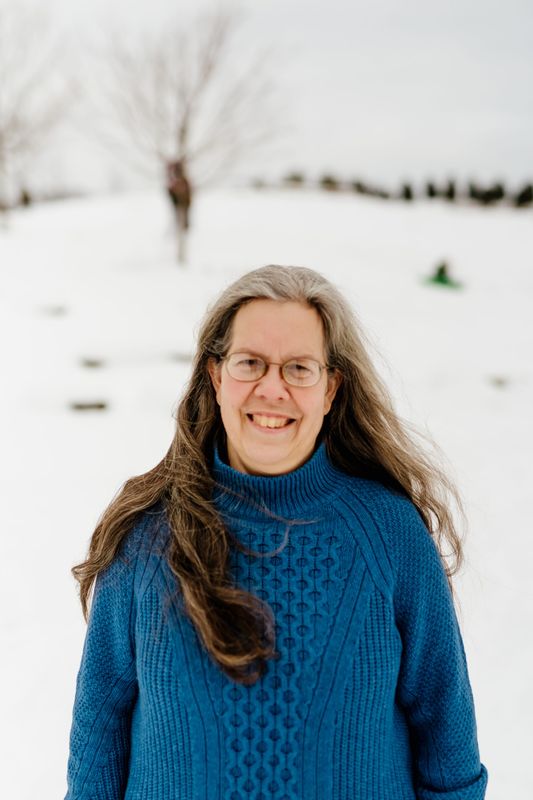
There could be as many as four new school members of the Wauwatosa School Board once the dust settles after the April 7 election.
Challengers Heather Birk, Todd Koehler, Chris Merker and Dan Stemper are running as a group called The 2030 Slate. Also running are incumbents Liz Heimerl-Rolland, Jason Wautier and Lynne Woehrle and challenger Melissa Lamers. Incumbent Phillip Morris is not seeking reelection.

This year’s race will use a new election format. Voters approved a referendum in April 2025 in which candidates now run in a purely at-large system that replaces the numbered seat system the district had been using. That means voters now select from an entire pool of candidates, and the candidates receiving the most votes fill the open seats. Since there are four seats up for election this year, that means the four candidates with the most votes will fill those seats.
The Journal Sentinel asked the candidates for the Wauwatosa School Board two questions. Their answers were limited to 100 words per answer and were subject to light editing. Here’s what they said.
Read more about the 2030 Slate in a related story.
What are the highest priorities facing the district, and how would you address them?
Birk: Our finances must be our first priority; without money, we can’t accomplish much. We must quickly right size our budgets and facilities, looking beyond simply passing more referendums. Educator retention and morale have also become alarming. While our teachers have received much-needed raises in recent years, we are facing increasing turnover. Our educators are continuously asked to do more, many feel unheard, and some staff and even families have faced retaliation for speaking up. Test scores and disproportionate discipline for marginalized students have improved in recent years, but still remain a concern.
Heimerl-Rolland: As a progressive Tosa mom, I’m proud of our kids’ schools and the growing student success we’re seeing. I am running to keep that momentum going. My top priorities are strengthening student achievement, ensuring schools are welcoming and safe, and building trust through transparency. With evidence-based, teacher-informed curriculum and appropriate support for all students, we can grow achievement. And with adequate state funding for education, we can pay our teachers competitively and keep property taxes flat. I’m committed to listening to stakeholders and using data to guide decisions, so Wauwatosa remains a destination district where every student can thrive.
Koehler: The district needs to get its finances in order. While we must continue to lobby the state for additional funds, we must also manage our resources responsibly. We need to right size our facilities footprint, identify unnecessary expenses and reallocate resources more strategically. Retaining great teachers is another priority, and I would like to see more of our resources going into classrooms rather than into administration. We must also give our teachers their voices back, allowing them more avenues to offer feedback rather than less. Addressing these priorities should help us address a third priority: academic achievement.
Lamers: One of the highest priorities for the district is ensuring every student has the support they need to succeed academically, socially and emotionally. This includes maintaining strong academic outcomes while investing in student mental health and inclusive supports for students of all abilities. Another priority is long-term planning for facilities and financial sustainability. As a board member, I would focus on thoughtful policy, careful budgeting and listening to families, staff and students to make informed decisions that strengthen our schools and ensure every student feels supported, included and prepared for the future.
Merker: Wauwatosa’s highest priorities are (1) fiscal sustainability and public trust, (2) teacher retention and organizational culture and (3) academic results – especially K–12 math and literacy. I would push for disciplined multiyear budgeting, stronger internal controls and decisions that align staffing and facilities to enrollment trends. To strengthen staff stability, I would restore consistent feedback channels, track retention and climate indicators as early-warning signals and insist on leadership follow-through. Academically, I would set measurable goals, raise standards and require transparent reporting. Trust is rebuilt by showing the work – assumptions, options and tradeoffs – before asking taxpayers for more.
Stemper: My priorities: improve student performance, stabilize leadership, restore a culture of trust for all staff, require accountability, improve detailed financial transparency and responsible fiscal stewardship and communication to our community and taxpayers. As a board member, I would encourage a new mindset. All board members need to focus on our students and the entire faculty who, together, are the ones that will deliver educational excellence. We also need an independent audit to set a benchmark for four new sets of eyes with financial analysis experience. We will share this with all board members with detailed reporting and transparency.
Wautier: The biggest issues facing our district are funding stability, supporting students’ mental health and meeting social emotional needs. In addition, ensuring the existing referendum is being spent in accordance with the scope of work that was promised to voters. That includes ADA updates for students with special needs and retaining high-quality educators. Both things we are actively doing already. Addressing Wisconsin’s underfunding of public schools continues to put pressure on local budgets, so we must advocate for fair state funding while responsibly managing the resources voters entrusted to us through the referendum.
Woehrle: Academic excellence for all: Students need high-achieving schools and a strong sense of belonging across cultures, income and accessibility. They need innovative curriculum, career-ready skills and excellent teachers that support and challenge them. Financial sustainability: Our district has strong financial transparency, but local investments in education are a large burden on taxpayers. Increasing operational efficiencies at the district level combined with persistent advocacy for state and federal investment in public schools is essential. Teacher retention: We must continue to invest in competitive compensation and provide teachers with the resources and creative spaces they need to do their best work.
The district has been looking at the future of its middle and high schools. What are your proposed solutions for addressing these needs?
Birk: As someone heavily involved in the 2023 facilities discussions, I know what goes into these decisions. In the last three years, the data shared with the community has changed. For example, three years ago we were told enrollment was projected to hold steady or increase, but now we’re told it’s declining. We need a fresh set of data. We don’t need a task force or committee to spend years reviewing it. We need administrative and board leadership willing to make hard decisions.
Heimerl-Rolland: My top financial priority is paying staff competitively, keeping class sizes small and protecting the academic and co-curricular programs families value most, not buildings. However, my opponents running on a slate believe that we should close neighborhood elementary schools. I strongly disagree. These schools make Wauwatosa Wauwatosa. Decisions on secondary schools must be thoughtful, student-centered and transparent. I support addressing deferred maintenance, prioritizing ADA-compliance, maintaining appropriate class sizes, supporting core academics and expanding spaces for career and technical education, arts and post-secondary readiness. I will only support affordable plans that clearly improve opportunities for our middle and high school students.
Koehler: We must first take a step back and look at the district as a whole, not as two separate entities in the primary and secondary schools. Enrollment is down and will likely only continue to shrink. We have more capacity than we need, and open enrollment does not generate enough revenue to justify filling our schools with those students. An in-depth analysis of all of our schools is necessary to determine how best to distribute our student body and identify whether closing schools makes sense and, if so, what that should look like.
Lamers: The district should take a thoughtful, transparent approach that prioritizes safe, accessible and modern learning environments for students. Any solution should be informed by data, facility assessments, enrollment projections and strong community engagement, including facility tours for the public. I support exploring options that address aging infrastructure while being fiscally responsible and minimizing disruption for students and families. As a board member, I would focus on listening to stakeholders, asking critical questions about costs and long-term sustainability, and ensuring decisions support high-quality learning spaces that meet the needs of students now and into the future.
Merker: Start with an affordability-first plan grounded in enrollment trends, utilization and total cost of ownership – not just construction price. The board should require option completeness: repair/modernize paths, phased approaches, consolidation scenarios and program alternatives, each with clear 10– to 20-year tax and debt impacts. Major commitments should include independent review of assumptions and cost estimates, plus transparent public engagement. In parallel, we must strengthen secondary readiness –academics, supports and pathways – so families stay in the district and graduates are prepared for college and careers.
Stemper: Our superintendent assembled a volunteer ad hoc committee and spent $200,000+ researching solutions for Wauwatosa’s secondary schools. The committee recommended Model F, which carries a price tag of $349 million. Unfortunately, our administration did not provide any plans to pay for any recommendations. My solutions: Postpone the secondary school topic until the school district gets a handle on current spending and creates a realistic financial budget that gets rid of annual shortfalls. In addition, take the necessary steps to operate with a balanced budget over the next three years. Finally, work up three financial plans to address the $359 million ($349 million) implementation costs.
Wautier: We must balance facilities, enrollment trends and educational outcomes. The secondary ad hoc community committee recently gave their recommended configuration. That group was a mix of resident, educator, family and citizen voices. The committee spent hundreds of hours researching and touring other districts. They narrowed down a large list of options to one. Their research is now with the board, and the sitting board will begin planning community engagement. I am not in support of any plan that involves adjusting or revisiting closing neighborhood elementary schools. We are still in the exploratory phase, and no decision has been made.
Woehrle: We need to be practical in light of decreasing student populations in Wisconsin and keep our focus on meeting student educational needs. Finding a good solution depends on the school board leading robust community discussions. We have a pivotal opportunity to be visionary about 7-12 education and build on long-time district excellence in arts and sciences. Safe and functioning facilities are essential; community input on what we want and can afford is critical.
Heather Birk
Age: 39
Previous political experience: None
Community involvement: Commissioner on Wauwatosa Commission for Persons with Disabilities; served as member of the 2075 Task Force, which focused on the future of the Wauwatosa School District; Wisconsin Parent Teacher Association member; secretary for Coalition for Expanding School Based Mental Health; served on Wauwatosa PTA Council from 2021 to 2024; as the Wilson/WSTEM PTSA’s mental health chair from 2022 to 2023; was a lived experience partner for Wisconsin Office of Children’s Mental Health from 2021 to 2025.
Contact info: yesforheather@gmail.com
Elizabeth Heimerl-Rolland
Age: 42
Previous political experience: Currently serving my first term on the Wauwatosa School Board, having previously served as treasurer and now as vice president.
Community involvement: I am the current vice president of the Wauwatosa School Board, and I’ve volunteered in nearly every aspect of our schools, including serving as Lincoln Elementary PTO president and leading Girls on the Run and Girl Scouts. I am also a founding member of Support Our Schools – SOS Wauwatosa, and I volunteer with the Wauwatosa Historical Society as a schoolhouse teacher for student field trips, bringing local history to life for Wauwatosa kids.
Contact info: lizfortosaschools@gmail.com; lizfortosaschools.com
Todd Koehler
Age: 48
Previous political experience: None
Community involvement: Tosa Kickers soccer coach; Tosa Baseball League baseball coach; Wauwatosa School District’s Tosa 2075 Task Force member; Active participant at school board meetings
Contact info: toddfortosa@gmail.com
Melissa Lamers
Age: 45Previous political experience: NoneCommunity Involvement: Wauwatosa School District family engagement liaison in partnership with Wisconsin Statewide Parent-Educator Initiative for five years. Member of multiple hiring and ad hoc committees for the school district. Support parent for Parent to Parent of WI. Member of the Family Partnership Program with Children’s of Wisconsin. Employed as a medical social worker with previous experience in child welfare. Current National Association of Social Workers member.Contact info: melissa@melissafortosa.com; melissafortosa.com/; Melissa Lamers for Wauwatosa School Board | Facebook
Christopher Merker
Age: 53
Previous political experience: 2025 Wauwatosa School Board candidate; Founder, 2030 Task Force (nonpartisan, civic coalition in Wauwatosa on education)
Community involvement: Executive-in-residence, Marquette University S-Lab: Governance + Sustainability; instructor and volunteer, SecureFutures (financial literacy); board chair, Water + Energy Forward (nonprofit green bank)
Contact info: friendsofchrismerker@gmail.com
Age: 67
Previous political experience: None
Community involvement: I am a member of the St. Vincent De Paul Society – Gesu Conference. Our primary goal is to provide assistance to “neighbors in need” in a large geographic area around Gesu Parish, on 12th and Wisconsin Avenue in Milwaukee.
Contact info: Email, friendsofdanstemper@gmail.com; cell phone, 414-378-6940
Age: 46
Previous political experience: Currently holds Wauwatosa School Board Seat 7
Community involvement: School Board volunteer (nonpaid position)
Contact info: FriendsOfJasonWautier@gmail.com
Lynne Woehrle
Age: 60
Previous political experience: Wauwatosa School Board member since 2023; currently board president
Community involvement: Co-founder of Tosa Together, leader in creating Wauwatosa’s Equity and Inclusion Commission and Hartung Park, faculty member at University of Wisconsin-Milwaukee (research and teaching)
Contact info: friendsoflynnewoehrle@gmail.com, woehrleforwauwatosaschools.org, facebook.com/woehrle4tosa, instagram.com/woehrle_for_wauwatosa_schools
Contact Alec Johnson at 262-875-9469 or alec.johnson@jrn.com. Follow him on Twitter at @AlecJohnson12.
This article originally appeared on Milwaukee Journal Sentinel: Eight candidates running for four seats on the Wauwatosa School Board
Reporting by Alec Johnson, Milwaukee Journal Sentinel / Milwaukee Journal Sentinel
USA TODAY Network via Reuters Connect