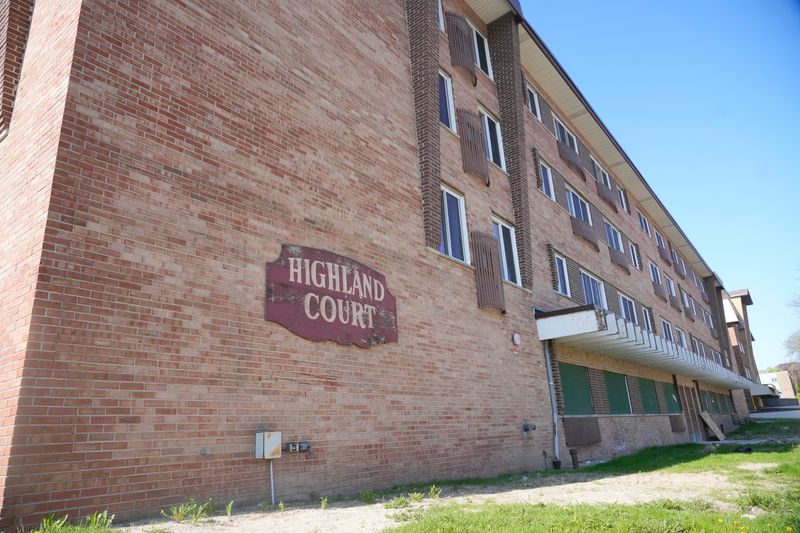
Aside from the stream of cars down the boulevard, the Highland Court apartment building is quiet.
It hasn’t been a home since Mother’s Day morning last year.

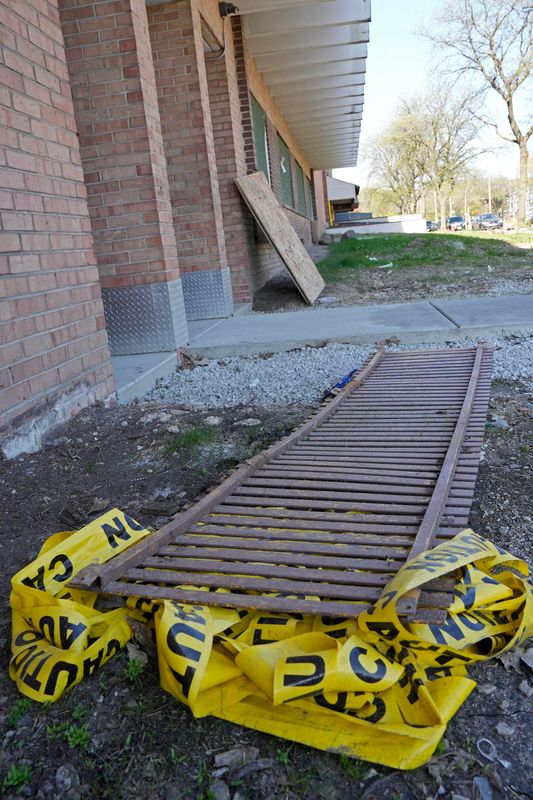
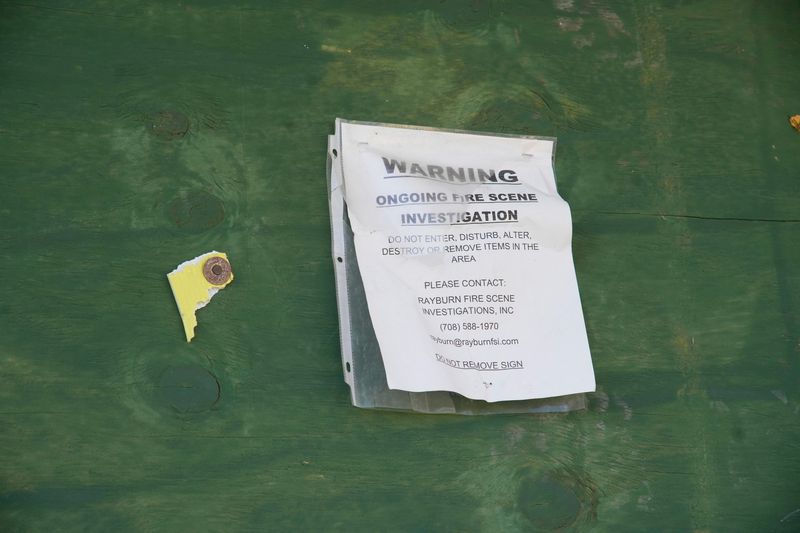
Marks of the fire that tore through the third floor and killed five people linger. Brick walls are still scorched. Windows are boarded up. Strips of yellow caution tape lie where firefighters once rushed in.
Investigators are inching closer to offering a measure of closure to the victims’ families and more than 100 other residents who were displaced.
According to a recent Milwaukee Fire Department report, investigators believe someone impaired by alcohol or drugs contributed to the fire by using an “incendiary device” to ignite a mattress or pillow in the building’s trash chute.
The Milwaukee Police Department is continuing to investigate the cause of the blaze.
The building hasn’t been approved for tenants yet. But TE XXI LLC, the building’s new Milwaukee-based owners, recently pulled work permits to restore the 85-unit building, city records show. The company’s registered agent is Chris Kappl.
Lawmakers have seized on the tragedy to push for stronger fire safety protections, but it’s been an uphill battle.
The reforms largely center on the lack of sprinklers in large residential apartment buildings.
Since the day of the fire, Milwaukee Fire Department Chief Aaron Lipski has said a sprinkler system, which can snuff out flames in seconds, would have saved lives at Highland Court.
“There is a huge human cost to this,” Lipski said in a recent interview.
However, state law does not require multi-unit apartment buildings built before 1974 to have sprinklers. It also explicitly prohibits local governments from requiring older residential buildings, like Highland Court, to install fire suppression sprinklers.
Nearly 70% of Milwaukee’s high-rise buildings were built before 1974, the Milwaukee Journal Sentinel previously reported.
Builders and developers have defended the law, saying that it standardizes building codes across cities, minimizing confusion, delay and project expenses.
Former Speaker Robin Vos has previously said the cost of retrofitting sprinklers estimated at around $4 per square foot – could put landlords out of business or cause an increase in rent.
Given state law, members of Common Council have tried other approaches. In March, the city agreed to waive certain fees associated with permitting, reviewing and inspecting apartment buildings that are retrofitting sprinkler systems.
Landlords, however, have yet to apply to use this benefit, according to Jeremy McGovern, spokesperson for the Department of Neighborhood Services.
The city also passed an ordinance that requires residential buildings with three or more units to disclose whether they have sprinklers to prospective tenants, and increased fire safety inspections at large apartment buildings from annual to semi-annual.
Meanwhile, state lawmakers have taken the issue to Madison.
State Sen. LaTonya Johnson, D-Milwaukee, whose district includes where the fire occurred, proposed three fire safety bills. All bills expired in March before getting a hearing.
One of her bills would have allowed municipalities to change building codes related to fire safety in residential buildings, including requiring older buildings to retrofit sprinklers.
The two other bills Johnson authored – along with other Democratic colleagues – would have created a grant program to help building owners offset the cost of installing fire sprinklers, and an audit of certain residential buildings to gauge where fire safety gaps exist.
“At a minimum, these proposals deserved a public hearing that would have given lawmakers, fire safety officials, housing advocates, landlords, tenants, and affected families a chance to have a serious public conversation about what more Wisconsin can do to prevent deadly fires and protect people in their homes,” Johnson said in an email.
State Sen. Romaine Robert Quinn, R-Birchwood, a real estate agent for Real Estate Solutions in Eagle Town, chairs the committee on Insurance, Housing, Rural Issues and Forestry, which was assigned those two bills.
He said the bills’ authors didn’t request a hearing, and state agencies didn’t submit the required fiscal estimates.
“If the proponents of the bill were serious about the issue, they could have put in a little effort,” Quinn said in an email.
In response, Johnson said Quinn and the other chairs had the authority to schedule a public hearing but chose not to.
Nonetheless, Johnson says the need for sprinklers in Milwaukee’s older buildings isn’t going away. She intends to push similar bills in the next legislative session.
Earlier this month, another apartment building without sprinklers in the city’s northwest Granville neighborhood caught fire. Children and adults were forced to leap from balconies and windows to escape the flames, said Lipski, the fire chief.
The building is across the street from a fire station. Firefighters responded within two minutes – but that still still wasn’t fast enough to save residents from having to make a life-or-death choice, Lipski said.
“We couldn’t have had a faster response,” Lipski said. “Now we’ve got people recovering from serious injuries. Those people can’t go to work, and they’re out of a home. This can’t be the best way.”
Gina Castro is a Public Investigator reporter. She can be reached at GCastro@usatodayco.com.
This article originally appeared on Milwaukee Journal Sentinel: A year since the Mother’s Day fire claimed 5 lives, what’s changed?
Reporting by Gina Lee Castro, Milwaukee Journal Sentinel / Milwaukee Journal Sentinel
USA TODAY Network via Reuters Connect