Robert B. Thomas founded one of the United States’ oldest periodicals in 1792 containing long-range weather predictions and other useful information with “a pleasant degree of humor.”
This is The Old Farmer’s Almanac, and many individuals continue consulting its pages for annual weather predictions, regional planting dates and other information when planning agricultural, gardening and other pursuits.

Secret formula
The Old Farmer’s Almanac states its weather forecasts are developed from a secret formula devised by its founder, which is partially related to sunspot occurrences.
Since the time of Thomas, the Old Farmer’s Almanac supplements sunspot and solar activity observations with climatology and meteorology data and continues to claim weather prediction accuracy near 80 percent.
Widespread use of the telegraph during the mid-1800s initiated regional meteorological and climatic studies within Great Britain and the United States.
Moving weather systems could be more precisely mapped and immediate forecasting information and observations easily relayed.
Modern meteorology develops
Robert FitzRoy, captain of the H.M.S. Beagle and second governor of New Zealand, was an early British pioneer of meteorology during the 1860s.
The United States’ first weather service was established in 1870 under the impressive name of the Division of Telegrams and Reports for the Benefit of Commerce as part of the U. S. Army Signal Service. The Division gathered weather-related data and issued storm warnings to mariners.
We are accustomed to receiving on-demand weather reports and regularly updated meteorologic conditions and forecasts. Meteorologists use high tech instruments, computer modeling, doppler radar, high altitude weather balloons and orbiting satellites to develop long range weather forecasts.
Nature’s weather forecasting toolkit
For various reasons, humans have been interested and awed by weather events and patterns since long before the practice of agriculture, permanent settlements, and rise of urban centers and sophisticated civilizations. Before the advent of historical and modern weather forecasting techniques, humans relied upon nature to provide hints regarding weather changes.
Indeed, some organisms provide good indications of future or recent weather-related events. All living organisms cope with changing environments, and my students were often amazed whenever we discussed various ways plants respond to environmental stimuli and changing conditions.
Plant predictors
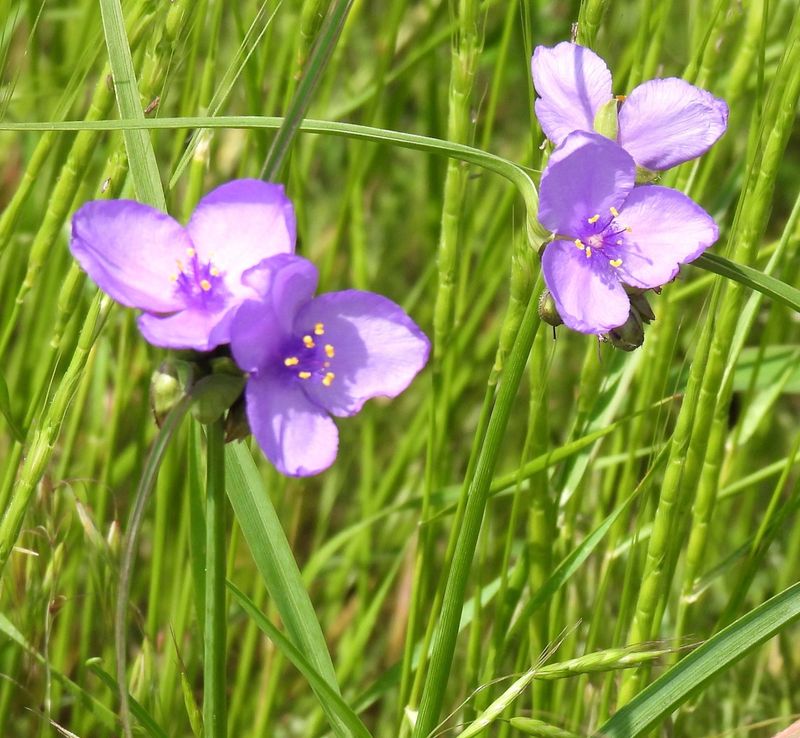
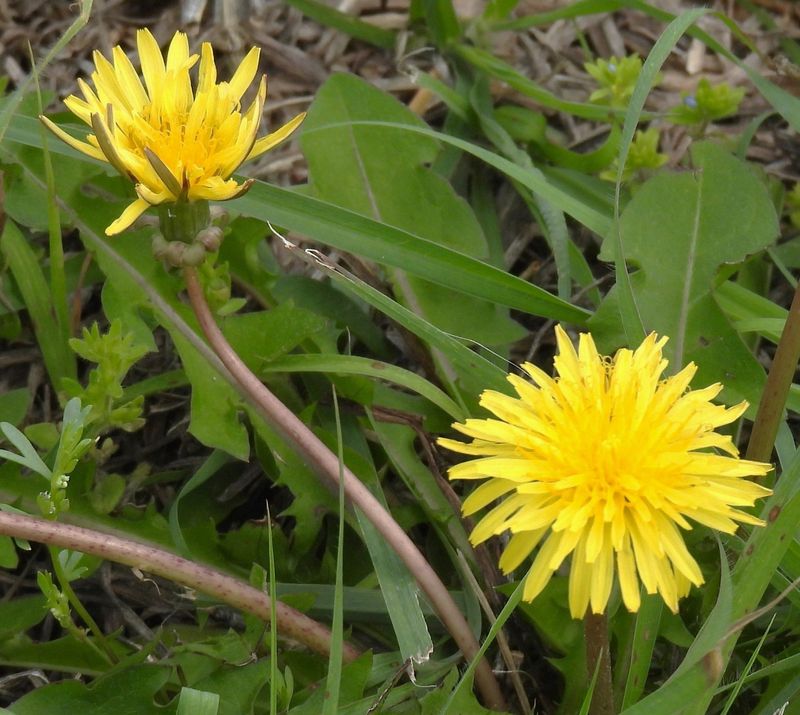
One such example is nyctinasty wherein plants fold their leaves and/or close their flowers during darkness or rainy periods to protect reproductive structures, resist temperature fluctuations, protect pollen, assure appropriate pollinators are attracted to flowers and other reasons.
Examples include dandelions, morning glories, and spiderwort plants. Many plant species seem to almost magically appear and bloom before and after precipitation events. Particularly noticeable regional examples include rain lilies and so-called barometer bushes.
Texas sage
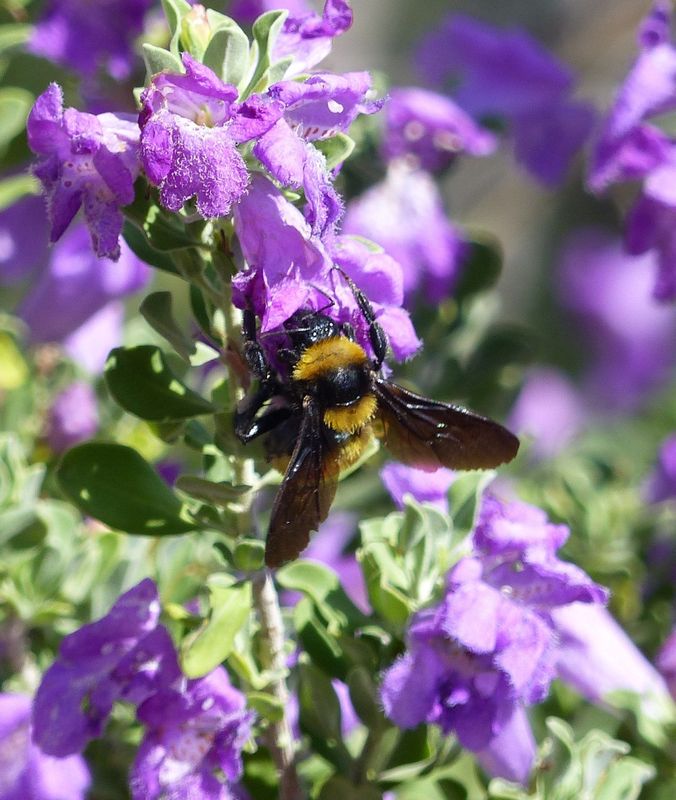
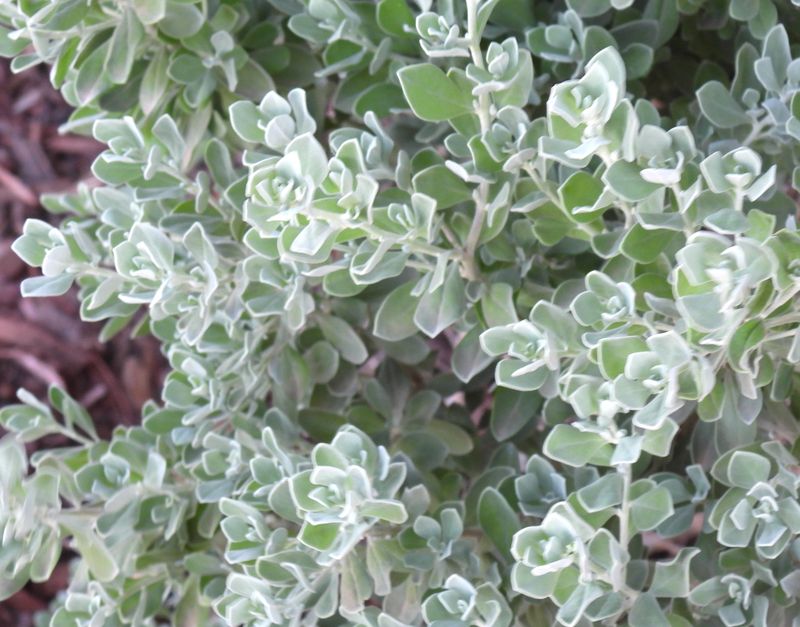
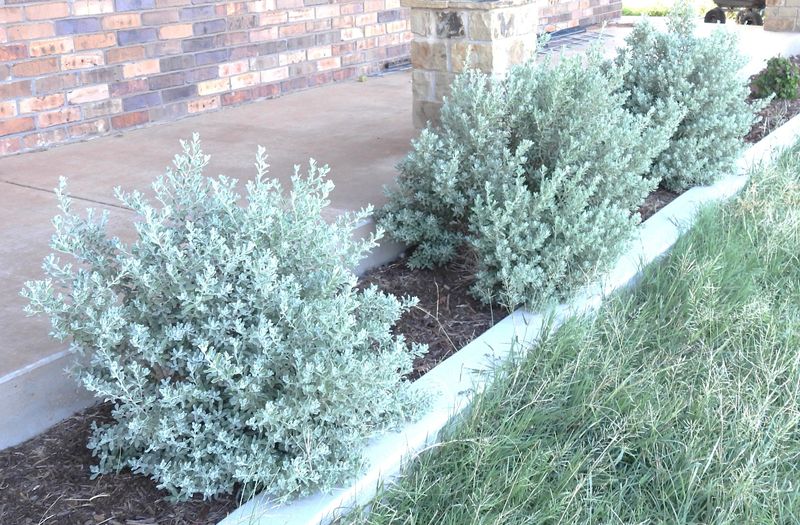
The barometer bush (Leucophyllum frutescens), sometimes referred to as Texas sage or cenizo, is a drought tolerant, woody shrub usually ranging from 2–6 feet tall with silvery gray, pubescent, somewhat ovate leaves and many, bilateral, tubular, lavender-to-pink flowers.
Cenizo thrives in rocky, often alkaline, well-drained soils of pastures and disturbed areas and naturally occurs from Trans-Pecos and South Texas to the northern Edwards Plateau and southern Rolling Plains. Barometer bush is named because its numerous, axial, flower buds tend to open as barometric pressure falls and humidity increases: often prior to precipitation events.
Cenizo’s drought tolerance, attractive foliage, colorful flowers and easy maintenance make the plants desirable for xeriscaping projects. Texas sage has been introduced throughout much of Northcentral Texas and is a popular shrub in many residential areas.
Once established, barometer bush requires little to no supplemental watering. Cenizo is the official native shrub of Texas and, although its flowers are not particularly fragrant, the plant attracts many butterflies, moths and other pollinating species.
Fairy lily forecasting
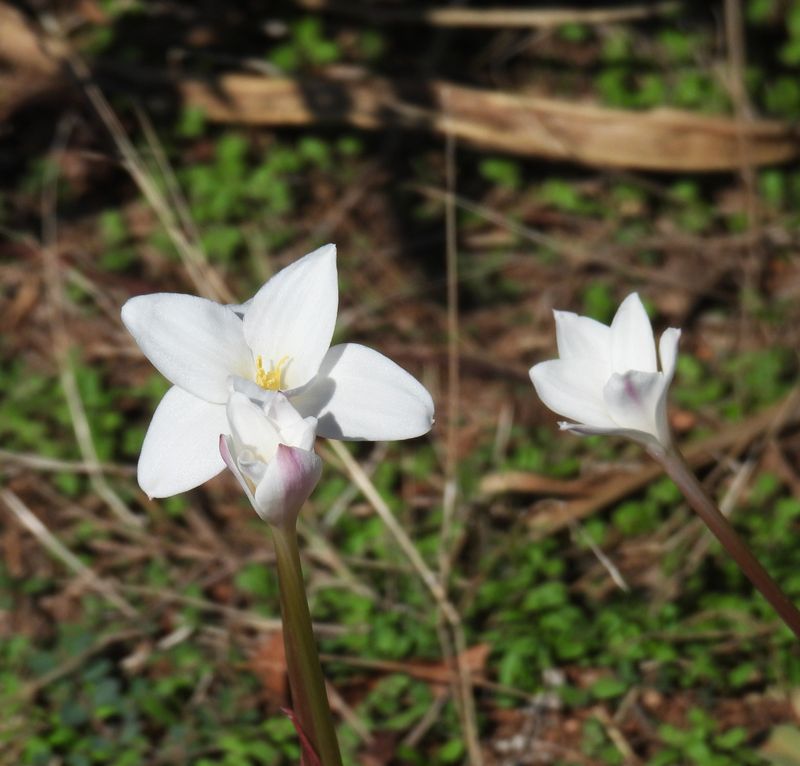
Whereas barometer bushes often predict future rainfall events, rain lilies or zephyr lilies (Zephyranthes drummondii) tend to proliferate and bloom shortly after significant precipitation episodes. Another common name for these weather-sensitive plants is fairy lily.
Their genus name, Zephyranthes, translates from Greek as “west wind flower” because west winds often precede spring rainfall. Fairy lily’s species name honors early Scottish botanist, Thomas Drummond, who collected and described these and many other plants during an 1833 expedition to Texas.
These grass-like, perennial plants emerge from subterranean bulbs and possess erect flower stalks ranging from 3–14 inches high bearing singular flowers with a sepal-petal total numbering six. Leaves are 3–5 millimeters wide and tend to be ephemeral.
Rain lilies occur in pastures, lawns, parks, roadside ditches and thin soils overlying limestone throughout the eastern two-thirds of Texas extending westward into the Trans-Pecos region. The plants usually flower from June through October, and flowers persist for only one or two days. However, rain lilies may bloom multiple times during rainy periods.
Rain lilies have been cultivated to produce differing floral colors and are used in landscaping. Many people enjoy the fairy lily’s synchronized, multiple blooming during spring and fall and use the plants in borders, rock gardens, pots and containers, and other arrangements.
However, rain lily placement requires careful consideration because the lilies produce alkaloid compounds that are potentially toxic to humans and pets.
Looking to nature
The modern meteorologist’s toolkit enables excellent and usually very accurate forecasting.
However, it’s still fun and instructive to observe some of nature’s forecasting tools, such as barometer bushes, rain lilies and other plants and animals, and make our own predictions regarding what weather conditions and events may be on the horizon!
Jim Goetze is a retired professor of biology and former chairperson of the Natural Sciences Department of Laredo College with an avid interest in all aspects of the natural world. He can be contacted at gonorthtxnature@gmail.com.
This article originally appeared on Wichita Falls Times Record News: Weather-sensing plants | Opinion
Reporting by Jim Goetze, Wichita Falls Times Record News / Wichita Falls Times Record News
USA TODAY Network via Reuters Connect
By Jim Goetze, Wichita Falls Times Record News | USA TODAY Network