Beginning in March 1960, the El Paso Times started running a series of brief facts about El Paso on the front page. The series was called, “Notes On El Paso: Did You Know?” The following are the briefs printed in March 1960:
Notes On El Paso: Did You Know?

March 2, 1960
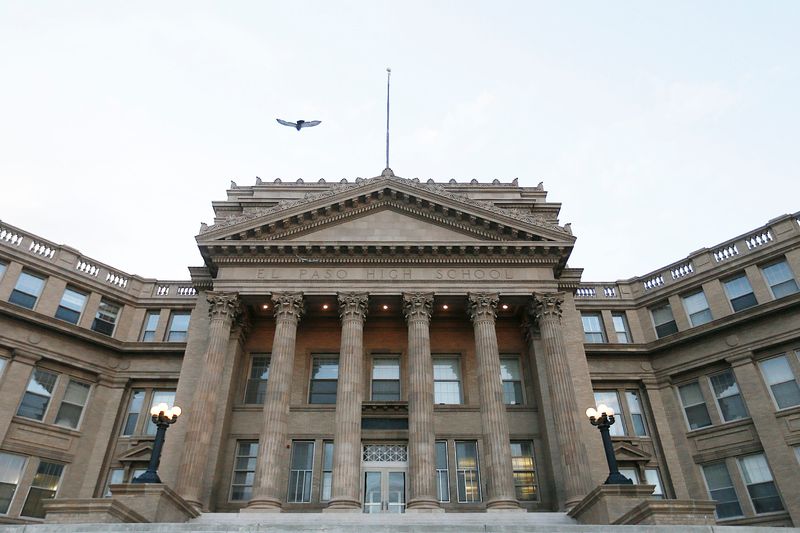
A piano used by the immortal Paderewski was given to El Paso High School when he ended a tour here in 1923. It is still in use.
March 3, 1960
When El Paso High School was opened in 1916, it was called American’s No. 1 example of public education by the London Times. To build it now would cost over three times the original $456,689 spent for the building.
March 4, 1960
The 1959 estimate of number of families in El Paso, 71,100 is double the 1950 figure of 35,687.
March 6, 1960
Growth of El Paso continues at three times the national average. The 1959 estimate of 263, 000 is DOUBLE the U.S. Census figure of 130,485 for 1950.
March 7, 1960
El Paso is the capital City of the nation’s largest trade territory, being over 400 miles removed from any other city of equal size or larger.
March 8, 1960
The City of El Paso covers 103.25 square miles and is one of the largest corporate areas of any American city, with plenty of room for growth and expansion.
March 9, 1960
Supima cotton, unsurpassed for quality anywhere in the world, is raised in substantial quantities in El Paso Valley.
March 10, 1960
Southern Pacific’s Engine No. 1 located in downtown El Paso is 103 years old. It started its run on the El Paso and Southwestern, now owned by SP.
March 11, 1960
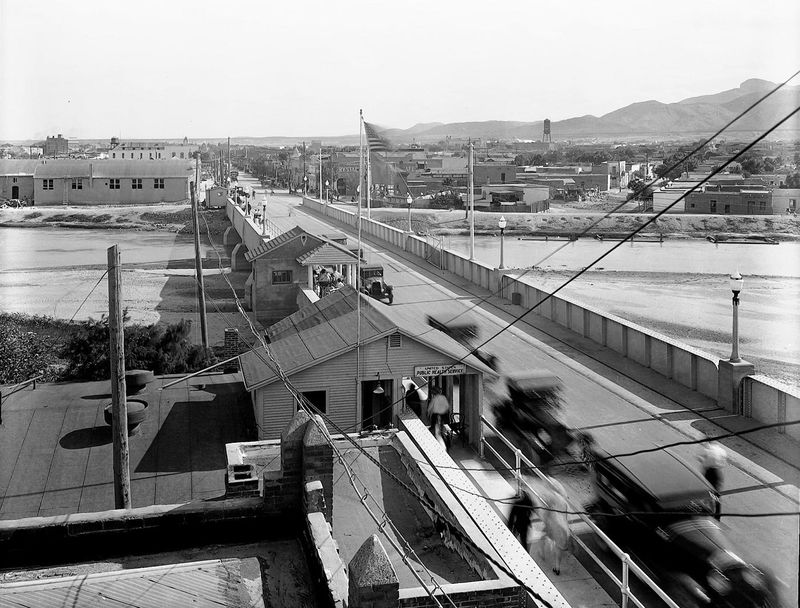
El Paso is the largest city on the American side of the U.S.-Mexican border. Its twin city, Juarez, is the largest on the Mexican side of the same border.
March 12, 1960
From El Paso’s Scenic Drive – on Mt. Franklin above the city – Texas, New Mexico and Old Mexico can be seen from one spot.
March 13, 1960
The El Paso Sunland area is almost entirely free of the common pollens which produce hay fever and asthma.
March 14, 1960
Geronimo and his Apaches once upon a time camped at the hot springs northwest of El Paso on U.S. Highway 85.
March 15, 1960
El Paso averages 82 percent sunny days annually.
March 16, 1960
El Paso is ready for Sunland area tourist and conventioneers by provdng 3,000 hotel and motel rooms with no seasonal increases in price.
March 17, 1960
Juarez is the largest Mexican city on the United States border, with about 250,000 population.
March 18, 1960
El Paso is the largest U.S. city on the Mexican border.
March 19, 1960
High atop Mt. Cristo Rey and overlooking El Paso, is the 42-foot statue of Christ of the Rockies.
March 20, 1960
El Paso is a Spanish phrase which in English means “The Pass.”
March 21, 1960
Few cities in the world offer such fine view of themselves as does El Paso, with its Scenic Drive rising to 4,222 feet along the face of Mt. Franklin.
March 22, 1960
El Paso is located at the lowest pass through the Rocky Mountains.
March 23, 1960
“The Pass” (El Paso) is an all-year, snow-free pass which has been favored for centuries
March 24, 1960
Farthest west city in Texas is El Paso.
March 25, 1960
El Paso was first called Magoffinville, then /Franklin. The name “El Paso” originally designated the Mexican city now Juarez.
March 26, 1960
El Paso has an unlimited supply of low-cost natural gas for fuel.
March 27, 1960
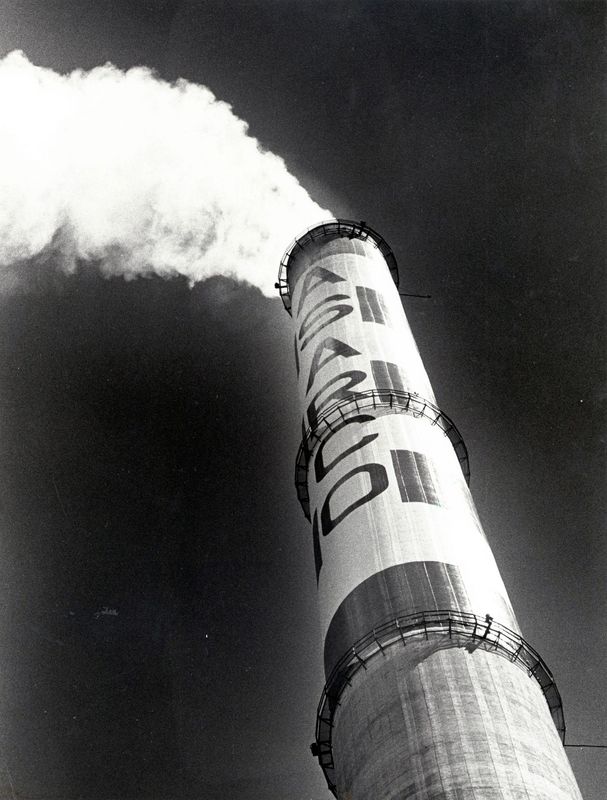
The world’s largest custom smelter is located in El Paso.
March 28, 1960
The world’s largest electrolytic copper refinery is in El Paso.
March 29, 1960
El Paso has 360 wholesale establishments supplying an endless variety of wares to a huge U.S.-Mexico territory.
March 30, 1960
Three hundred forty-five manufacturing establishments, in many different fields, have plant here.
March 31, 1960
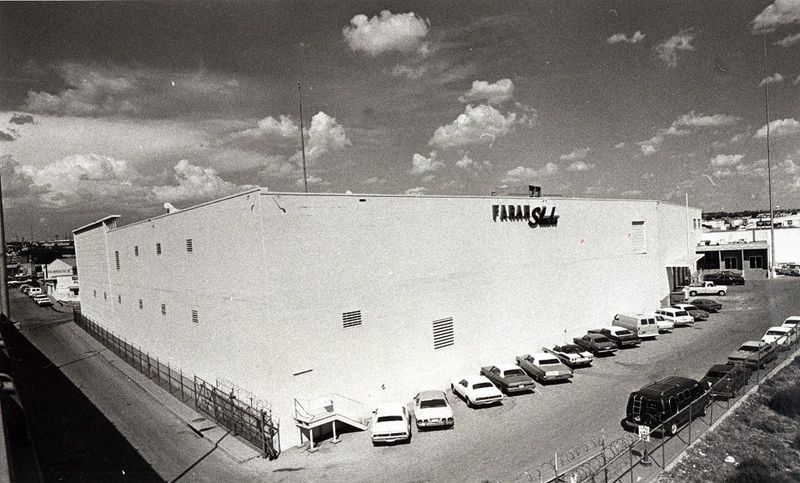
More denim cloth is cut in El Paso than in any city in the world.
Trish Long may be reached at tlong@elpasotimes.com
This article originally appeared on El Paso Times: Notes On El Paso: Did You Know? ‘The Pass,’ ‘Christ of the Rockies’ and ‘Denim’
Reporting by Trish Long, El Paso Times / El Paso Times
USA TODAY Network via Reuters Connect