The tariffs are increasing, the tariffs are increasing.
That’s been President Donald Trump’s calling card in the first six months of his second presidential term.

For Mexico, that may mean an increase of U.S. tariffs from 25% to 30% on some imports of Mexican-made products to the United States starting Friday, Aug. 1.
That is unless the increase gets postponed, as Trump has done in the past, or unless Mexico and the U.S. reach a deal to lower the tariffs, as the European Union of 27 countries did recently.
European Union deal puts U.S. tariffs at 15%
The U.S. will put 15% tariffs on most European imports, and not the threatened 30% tariffs. But that’s still higher than European leaders had wanted. European steel imports to the U.S. will remain at 50%.
Trump said Monday, July 28, that 15% represents the new standard for tariff negotiations, Yahoo Finance reported.
Mexico products made under USMCA expected to be exempt
The prevailing opinion in the cross-border trade community is that most imports from Mexico will remain exempt from the U.S. tariffs under the United States Mexico Canada (trade) Agreement, or USMCA, Garrick Taylor, a spokesman for the Border Trade Alliance, an advocacy organization for trade between the U.S. and Mexico, said in an email.
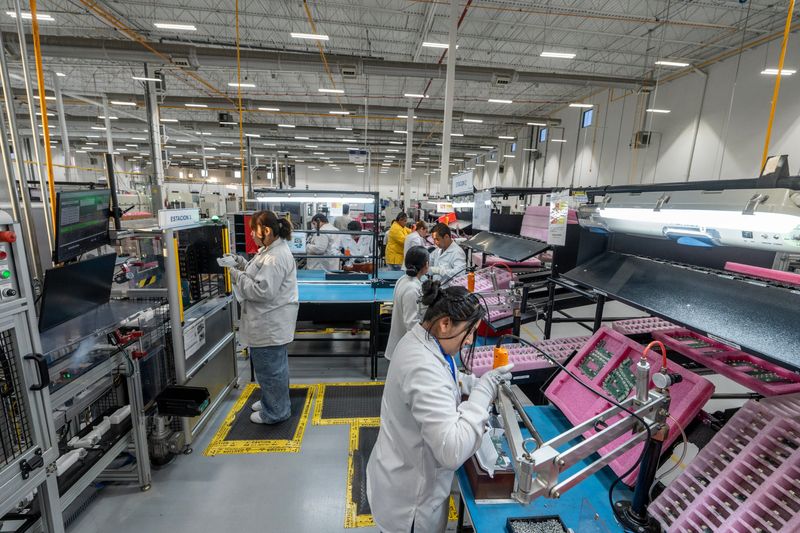
That should mean much of the factory production from Mexico, including in Juárez, just across the border from El Paso, should be spared from new tariffs implemented by the Trump administration.
Many U.S. companies operate factories in Mexico. And many manufacturing suppliers in El Paso and other areas along the U.S.-Mexico border rely on selling parts and other materials to manufacturers in Mexico.
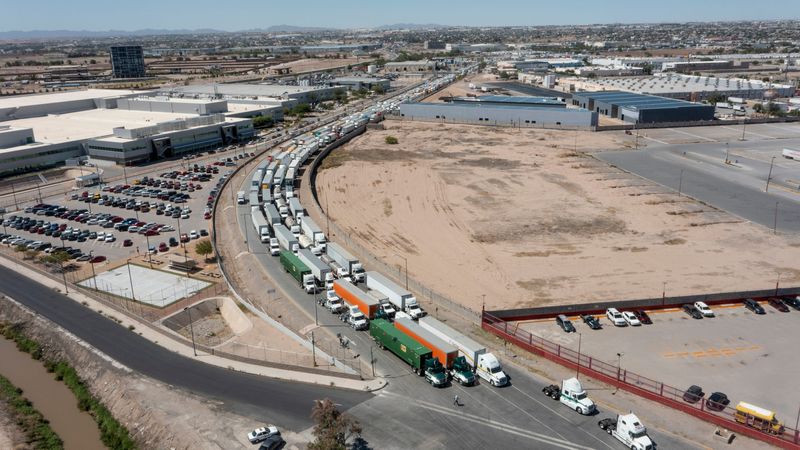
El Paso and other border areas in the United States also have a large logistics industry supporting the cross-border trade, marked by the huge warehouse/distribution centers along the border.
Just over 80% of imports from Mexico to the U.S., are exempted from U.S. tariffs, mainly due to exemptions on goods compliant under the USMCA, the Bloomberg News service recently reported.
“While we’re hopeful that USMCA-compliant trade will remain tariff-free, we are disappointed at the threat of new tariffs and their potential to undermine the strength of the North American economy,” Taylor said
The tariffs are taxes paid by companies importing goods to the U.S., from various countries. They are bringing in billions of dollars of revenue to the U.S. treasury, federal officials have said. However, they also can bring product price increases as companies pass on at least some of the tariffs’ costs to U.S. customers.
Tariffs increase costs in Texas factories
Prices for manufacturers’ raw materials and finished goods rose further in June in Texas, southern New Mexico and northern Louisiana due to increases in tariffs, including on steel, the Federal Reserve Bank of Dallas recently reported. Prices for steel made in the U.S. also has risen as demand has increased, it reported.
The increase in U.S. tariffs prompted some countries, most notably China, to insitute recripricol tariffs against U.S.-exported products.
More: Helen of Troy market value plummets as China tariffs continue to hurt business
Steel, tomatoes have separate tariffs
Besides the United States’ 30% tariffs planned to begin for some Mexico imports Aug. 1, other tariffs are already in place:
The U.S. increased tariffs on steel and aluminum imports from most countries, including Mexico, from 25% to 50% in June.
However, U.S. and Mexico officials are negotiating a deal to reduce or eliminate the tariffs on steel imports up to a certain volume, Reuters news service reported in June.
The U.S. imposed a 17.1 % tariff on most tomato imports from Mexico beginning July 14 after the U.S. Department of Commerce ended an agreement with Mexico that suspended the tariff instituted in 1996 after tomato growers in the U.S. petitioned for help because they claimed they were being hurt by dumped imports of Mexican-grown tomatoes, according to the State Department.
U.S. tomato-grower groups applauded the tariff while U.S. produce importer groups said it will hurt their industry by reducing imports, and hurt consumers who, they said, will pay higher tomato prices.
“Mexico remains one of our greatest allies, but for far too long our farmers have been crushed by unfair trade practices that undercut pricing on produce like tomatoes,” U.S. Secretary of Commerce Howard Lutnick said in a statement released July 14.
Produce exporters and growers remain concerned about tariffs. Fifteen groups representing produce exporters and growers, several from Canada, in a July 24 letter urged Trump, Mexico President Claudia Sheinbaum, and Canada Prime Minister Mark Carney “to work together to reach a long-term agreement that will restore a stable trading environment for our essential (produce) products.’
Vic Kolenc may be reached at 915-546-6421; vkolenc@elpasotimes.com; @vickolenc on Twitter, now known as X.
More: El Paso Electric substation construction boom aims to meet big energy demands
This article originally appeared on El Paso Times: Most Mexico factory output expected to remain exempt from U.S. tariffs as increase nears
Reporting by Vic Kolenc, El Paso Times / El Paso Times
USA TODAY Network via Reuters Connect