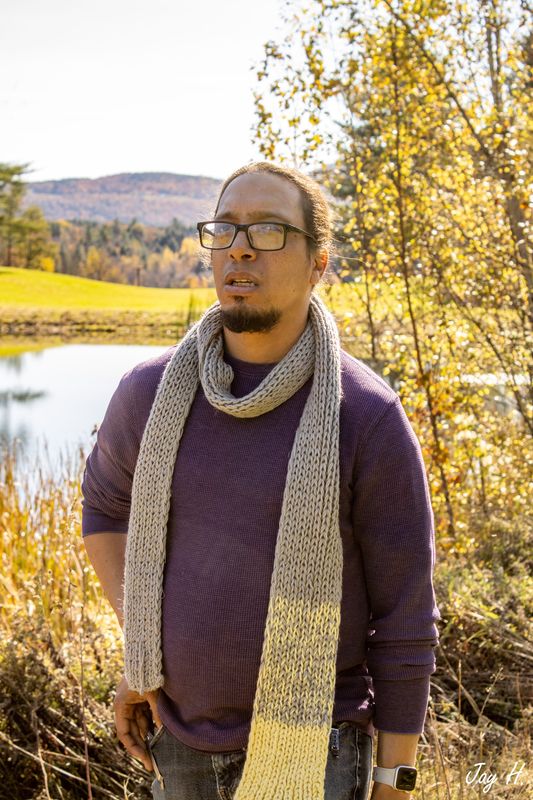
David S. Harewood is a mostly theatre-based interdisciplinary storytelling artist and advocate.
Opinions on media coverage vary from supplicant to vaguely cynical to hostile in an ongoing cycle, so it’s no wonder that a newspaper owned by Gannett, also the parent company of USA Today, could have insightful and thorough journalists and still issue lousy headlines.

Case in point: referring to the unrest in the summer of 2020 as the “George Floyd Protests” is reductive, shortsighted and potentially harmful, especially in light of the steroidal approach to law enforcement favored 47th administration of the United States as backdrop.
Jordan Laird and Bailey Galion’s retrospectives on the events of the summer of 2020 are to be commended for their even and honest reporting, even where interpretations of details are in dispute.
For those of us who spent more time on the ground — especially those of us who’d taken to City Hall and the Statehouse to demand accountability for the deaths of mostly young, mostly Black sons for the previous 50 years or so — George Floyd’s was one of several names shouted in those streets.
It was about more than George Floyd
Unfortunately for Laird, Galion and their colleagues, the consistently lousy headlines mixed with what often looks to be an increasingly socially conservative legacy media means that few who were on the ground consistently are willing to talk to them anyway.
But there were so, so many more names than George Floyd’s across our lips that summer, and the names (and the protests) come as predictably as the seasons.
Floyd, 46, was smothered by an officer in Minneapolis on live video on Memorial Day that year. (He’d passed a fake $20 bill at a nearby store.)
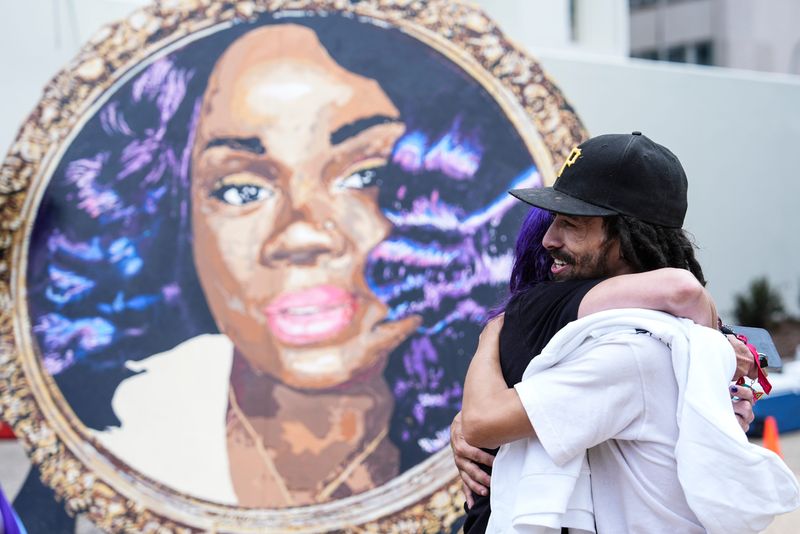
Two months before, Breonna Taylor, 26, was shot while in her bed by police officers in Louisville. The police were executing a warrant for her boyfriend.
Three weeks before that, Ahmaud Arbery, 25, was shot by would-be police officers near Atlanta. He’d been on an afternoon jog.
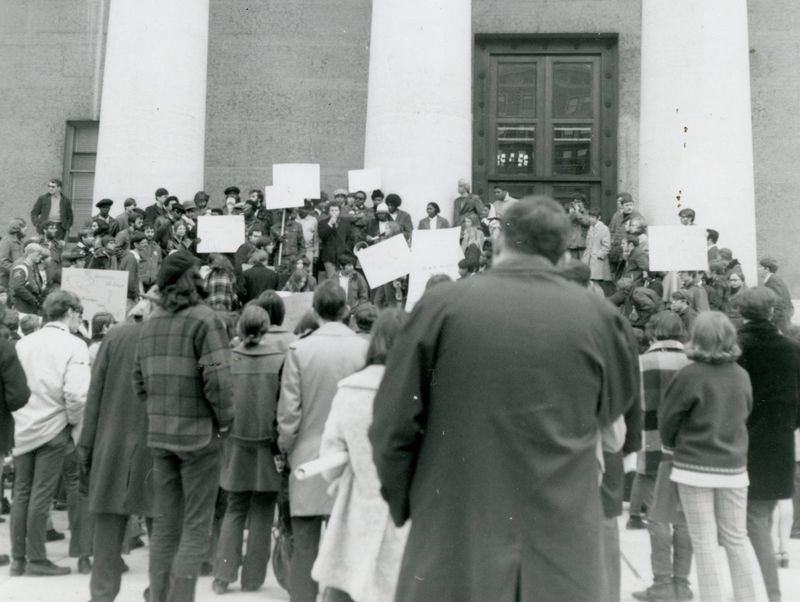
Fred Crews, 15, was shot in the back by a Columbus police officer in 1970 along with two other students. Their crime: breaking into a soda machine.
In June of 2016, 23-year-old Henry Green V was shot and killed by plainclothes Columbus police officers who approached him in an unmarked SUV with weapons drawn. His crime: firing a weapon after having been approached by two large, bald white men with guns in his own majority Black neighborhood in broad daylight.
Tyre King, 13, was shot in the back by a notoriously trigger-happy Columbus police officer three months later. His crime? Using a BB gun to shake down someone for $10 up the street from where he was shot.
The only people who refer to the unrest in the second half of 2020 as the “George Floyd protests” were never on the ground. If they had been, they’d know all of these other names as vividly as we do.
How Columbus, nation responded
As to the police reforms, my initial accusation of the formation of the Columbus Civilian Police Review Board to be “window dressing” was probably right: according to Dispatch reporters Bethany Bruner and Shahid Meighan’s collaboration, there’s no effective difference between the results of the inspector general’s investigations and those of a typical police-led internal investigation — and everyone knows how “objective” organizations are at rooting out their own problems, right?
The board’s first chair, a former city attorney, seemingly took significant umbrage to my assessment.
The fallout of those exchanges might well have lost me more than a few funding sources, but that’s another story altogether.
There was also mention of the dialogue teams incorporated into the Columbus Division of Police.
Their debut into the public sphere two years ago coincided with a protest initiated by the state’s Proud Boys against a church hosting an event that involved people in drag and heavy makeup reading stories to children.
One of the policemen high-fived a member of the “western chauvinist” (white nationalist terrorist) group.
The photo went viral for about a week. Chief Elaine Bryant — who’d just replaced Thomas Quinlan after his botched management during the summer of ‘20 — took to the media to not only fail to reprimand the officer, but to stand by and applaud him. She’s become far more reticent with her interviews since.
Oh — and in the meantime, the president of the United States issued an executive order that rolls back investigations into problematic police departments across the country and doubles down on the policies that allow — and, in the case of our (almost always brown Black) immigrant neighbors, encourage — due process under the law.
George Floyd’s was one of dozens of names we chanted that summer and continued to throughout the subsequent years.
No one will be completely satisfied with how the world refers to that time, but it’s important to understand that Breonna,Tyre , Ahmaud, Henry, Sandra and dozens more of our family members were martyred by law enforcement apparatus unencumbered by judicial or legislative restraint.
Now the administration has even robbed the people of recourse on the national level.
More unrest is inevitable, and George Floyd’s name will be, again, one of many called out in the streets.
David S. Harewood is a mostly theatre-based interdisciplinary storytelling artist and advocate. He’s a co-founder of FIRST Collective, co-chair of the Columbus Police Accountability Project and, before the country (and probably he) went crazy, among the most prolific guest theatre directors in Columbus.
This article originally appeared on The Columbus Dispatch: Their names, all of them, matter. 2020 protests went far beyond George Floyd. | Opinion
Reporting by David S. Harewood / The Columbus Dispatch
USA TODAY Network via Reuters Connect