A state lawmaker is calling for a new tax on upstate New York vacation homes and investment properties after Gov. Kathy Hochul proposed a somewhat similar tax for New York City second homes.
Last month, Hochul announced a yearly tax surcharge on second homes in New York City valued at $5 million or more and owned by people who have a separate primary residence outside of the Big Apple. It’s expected to help close the city’s budget gap by bringing in at least $500 million per year in recurring payments.

Sen. Pat Fahy, D-Albany, wants to expand it statewide, saying it would help smaller communities both across upstate New York and on Long Island, as well as the Lower Hudson Valley.
“Multi-million dollar investor properties owned by part-time residents are hollowing out our communities while local governments struggle with the same fiscal challenges that large cities like NYC are facing,” Fahy said in a Facebook post. “It’s time to deliver relief to communities upstate, in Long Island, the Adirondacks, Finger Lakes, and elsewhere in this year’s state budget.”
Here’s what to know.
How the proposed pied-à-terre tax would work upstate
Instead of the $5 million value proposed for New York City second homes, Fahy is proposing a lower value of $2.5 million as the cost of living is lower outside of the city, several media outlets are reporting. Additionally, half of the revenue generated from the tax would be kept by the municipality, Fahy says, and the other half would go to helping localities outside of New York City.
“Allowing municipalities outside NYC to ‘opt-in’ to a local pied-à-terre for non-NYS residents, while designating half of this new revenue into Aid and Incentives to Municipalities (AIM) funding, will provide immediate, flexible relief to cities, towns and villages across the rest of the state,” Fahy said.
“This will assist localities that have borne a disproportionate burden in providing services to these large properties and help to stabilize property taxes, maintain core services, and invest in the economic competitiveness of communities across our state,” Fahy added.
Bill Hammond, senior fellow for health policy at the Empire Center think tank, says there are several issues with this proposal. First, he says, the upstate market differs from the city in terms of quantity of second homes as well as in the way their respective property tax systems work. Additionally, Hammond asserts it would deepen the state’s tax burden.
“New York’s state and local governments already collect almost one out of every six dollars that their residents earn,” Hammond said. “Its leaders should focus on living within those ample means instead of imagining new taxes to impose.”
How lawmakers are responding to new tax plan for upstate
While Hochul didn’t dismiss the idea completely, she told reporters recently that she “would have to take a look at it.” The governor also said the New York City second home tax was proposed to help the city out.
“We haven’t had time to talk about those other areas,” Hochul added. “I’m not looking to add a whole lot more to this budget. The objective is to start closing it down.”
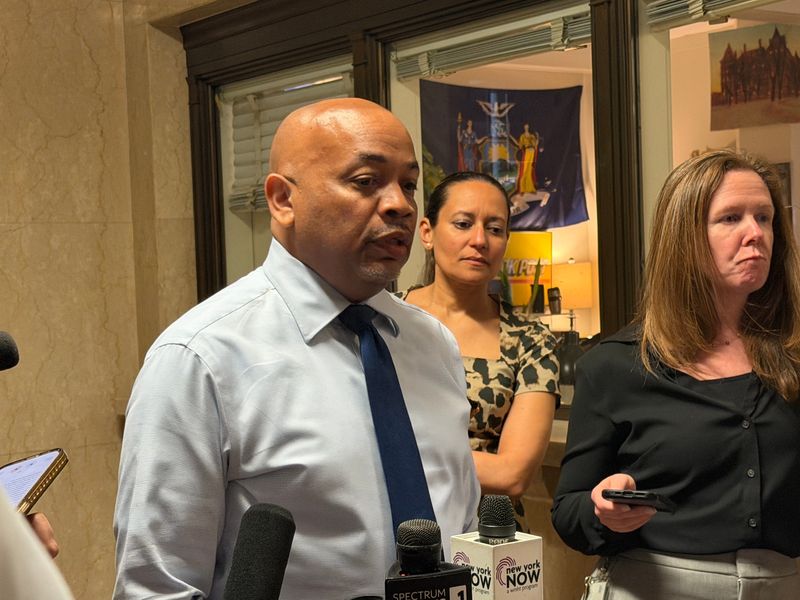
And Assembly Speaker Carl Heastie told reporters last week that he would consider an expansion.
“We haven’t conferenced that, but me, personally, I’d be open to other places looking at the pied-à-terre tax,” Heastie said.
Emily Barnes covers state government for the USA TODAY Network-New York with a focus on how policy and laws impact New Yorkers’ taxes, communities and jobs. Follow her on Instagram or X @byemilybarnes. Get in touch at ebarnes@usatodayco.com.
This article originally appeared on Rockland/Westchester Journal News: How NY could expand NYC pied-à-terre tax to second homes upstate
Reporting by Emily Barnes, New York State Team / Rockland/Westchester Journal News
USA TODAY Network via Reuters Connect