A package of three bills to expand prevailing wage mandates that could significantly increase construction wage rates in New York is now on Gov. Kathy Hochul’s desk for approval or veto.
The proposals would extend prevailing wage requirements to additional categories of publicly funded projects, including hauling concrete and asphalt, brownfield remediation and off-site custom fabrication.

The goal is to close gaps in the law and ensure more workers are covered under New York’s prevailing wage law, adopted in 2020, which requires private construction projects costing more than $5 million and receiving over 30% public funds to pay mandate wage rates.
State Sen. Pete Harckham, who introduced the bill covering brownfield remediation, said the measure would not only benefit workers, but accelerate projects by attracting skilled labor, ultimately boosting local communities. He cited a study showing that every $1 spent on prevailing wage generates $1.5 in economic activity, supporting local businesses and municipalities.
“When public money is at stake, prevailing wage should apply. Brownfield work shouldn’t be cut out,” Harckham said.
The bills have passed both the Senate and Assembly and await Gov. Hochul’s decision.
Critics: NY measure would be a financial strain on developers
Developers and business groups, however, warn that the bills would impose heavy costs at a time when the industry is already grappling with tariffs, rising labor costs, high interest rates and soaring materials prices. Some estimate labor expenses could double, stalling developments across the region.
John Ravitz, executive vice president of Business Council of Westchester, said the cost of doing business has surged since the pandemic. A study by the organization found that hard and financing costs for two multifamily housing projects in Yonkers and White Plains rose about 50% in 2023 compared with 2019. It estimates the bills would raise wages for some workers by about 50%.
“Developers are pressed to do the work they’re doing. If you want to get the projects built, we can’t put obstacles in their way. These three bills really would do that,” Ravitz said.
Westchester has experienced a housing boom in recent years with some 12,500 units built since 2021, another 15,000 under construction and 10,000 in the pipeline.
Jim Surdoval, development consultant at Ginsburg Development Companies, a major builder in Westchester, said the bills could cause projects to halt or lead to higher rents. Still, he said he remains hopeful that Hochul will veto them.
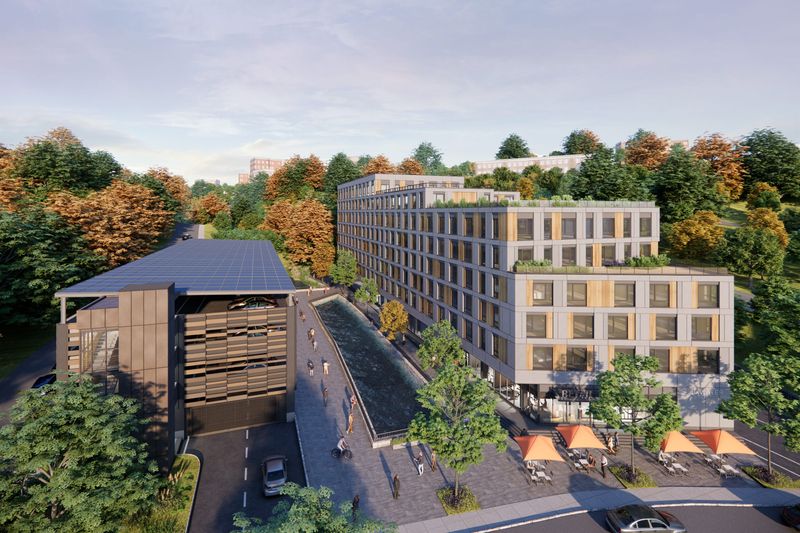
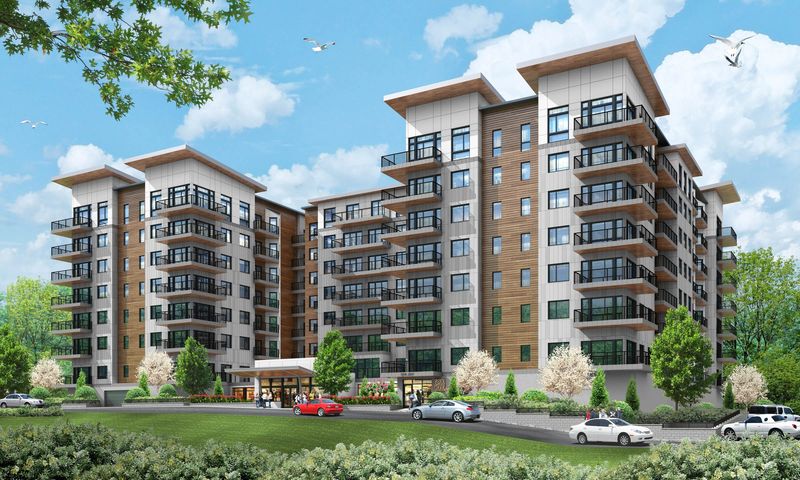
One Ginsburg project at risk is Bridgwater North Apartments, a 208-unit housing development in Yonkers. The site recently completed brownfield cleanup and is now securing financing. Surdoval said the bill would jeopardize the project because its financing would need to be recalculated.
“We don’t believe the state wants to kill residential construction in New York,” he said. “The governor has been a strong proponent of creating more housing. The bills would be counterproductive to that goal.”
Legislation could address browfield delays and protect workers
Union leaders say the legislation is not just about fair wages for workers, but protecting those performing hazardous jobs. Many new housing developments sit on former brownfield sites, where remediation is essential but often both time-consuming and dangerous.
A state Department of Environmental Conservation audit found that 17% of 518 active brownfield projects between 2019 and 2025 have been underway for more than a decade. Twenty-five sites had lingered in the program for 17 to 19.5 years, largely due to failed cleanup attempts and owners’ financial difficulties.
Harckham said the bill would primarily affect commercial and luxury housing developments. The measure was vetoed by Hochul last year.
Marina O’Donnell, political director for the Northeast region of the International Union of Operating Engineers, said the prevailing wage mandate would actually speed projects by incentivizing developers to hire skilled workers with proper trainings rather than relying on low-bid contractors. She added that the requirements would also improve oversight of workers’ health and safety.
“Remediating brownfields sites is important for communities and economic development, but it should not be at the expense of workers,” O’Donnell said. “With so much public dollars subsidizing these projects, we should hold developers accountable to use a local, trained and skilled workforce on these dangerous sites.”
Helu Wang covers economic growth and real estate for The Journal News/lohud and USA Today Network. Reach her at hwang@gannett.com.
This article originally appeared on Rockland/Westchester Journal News: Could NY bills to expand prevailing wage mandates hurt Westchester development?
Reporting by Helu Wang, Rockland/Westchester Journal News / Rockland/Westchester Journal News
USA TODAY Network via Reuters Connect