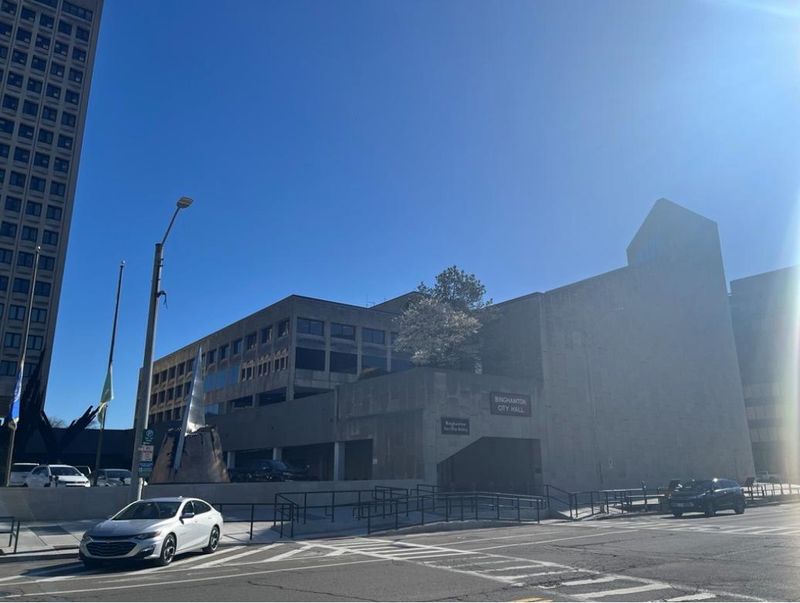
The City of Binghamton has taken its first step in conducting a citywide reassessment for the first time in over three decades.
On May 26, Binghamton’s City Council voted to approve local law 26-01, which will seek to establish a reassessment period within the city at least every five years. If reassessment is completed as outlined in the legislation, the process would mark the first time since 1993 for the City of Binghamton.

According to City Council members, the process will ensure that property owners throughout Binghamton pay their fair share in property taxes.
City Council approves citywide reassessment
At a May 26 Special Business Meeting, City Council members unanimously voted to pass the law 6-0, with Councilmember Michael Dundon absent. According to Councilmember Kinya Middleton, the law’s approval is just the start of the process, which will include a request for proposal process and budget allocations before any properties can be reassessed.
The law’s passage follows a number of other housing-centered actions by City Council over the past year. On May 6, City Council unanimously passed the Proactive Rental Housing Inspection Program, and City Council approved Good Cause Eviction legislation in 2025 despite a mayoral veto.
According to wording in the newly passed law, the legislation’s intent is to ensure the city’s property values remain updated — a factor City Council members say will result in each property owner paying their fair share. Overall, reassessment does not change the fixed amount of tax money collected by the City, although the amount collected from each property owner may change. Reassessment ensures current property values are taken into account, as opposed to ones from decades prior.
According to Councilmember Robert Cavanaugh, the city’s failure to reassess since 1993 has led to massive discrepancy between the assessed and real values of properties within Binghamton — something he says reassessment will help fix.
When it comes to areas that have seen massive spikes in value, such as downtown Binghamton or student rental properties on the city’s West Side, the discrepancy means some property owners are benefitting from properties being assessed significantly lower than their actual worth.
Conversely, some properties like ones in newly discovered flood zones may end up dropping in value through a reassessment process.
According to Cavanaugh, it is difficult to predict whether a specific property owner will end up paying more or less in taxes, but reassessment will ensure property taxes in the Binghamton area are based on assessments from the 21st century, not 1993.
This article originally appeared on Binghamton Press & Sun-Bulletin: Binghamton City Council approves citywide reassessment plan
Reporting by Riccardo Monico, Binghamton Press & Sun Bulletin / Binghamton Press & Sun-Bulletin
USA TODAY Network via Reuters Connect