It never ceases to amaze me the willingness to continually cast aspersions on those who take considerable risk to create significant improvements in agricultural products and processes resulting in production and quality of life gains (“Who are Iowa’s biggest landowners?” Oct. 5).
What Bob Van Diest, Harry Stine, and the others mentioned in the Register’s most recent story have done has resulted in lowering costs of production while increasing substantial gains. That is not speculation. It is a fact.The wealth they’ve accumulated is miniscule compared with what the agricultural economy writ large has gained.

If you wish to better understand what has led to the current price mess we find ourselves in, you would be wise to thoughtfully review current U.S. farm policy. The original act is now 10 decades old. The general thrust of it has not changed significantly since the passage of the 1949 Farm Act. It is also known, because of its parity provisions, as the “Permanent Farm Act.”
Crop insurance is a prime example. It costs producers and the taxpayers nearly $100 per acre. There have been negligible crop losses in the state of Iowa over the past five decades. Is the program as presently designed needed?
Most Iowa farmers know that there are better and more cost-effective means to insure their crops. In fact, they would prefer to do so. Yet, their bankers and the Iowa Farm Bureau, which have conflicting interests (i.e. they sell the insurance) insist on maintaining it. Think about it and do the math. Who is benefitting from an insurance program that has minimal claims in Iowa and subsidizes Iowa farmers’ competitors?
The incestuous relationships maintained between the Farm Bureau, commodity groups, bankers and politicians have developed a unique methodology to maintain their roles in keeping “the wolves” away from the farm. Meanwhile, those who abate the wolves have done well for themselves.
By the way, it appears there are 30,000 farmers in Cook County, Illinois (Chicago). Is the “Farm Bureau’s” first responsibility to their farm constituents, or to their insurance and wealth management constituents?
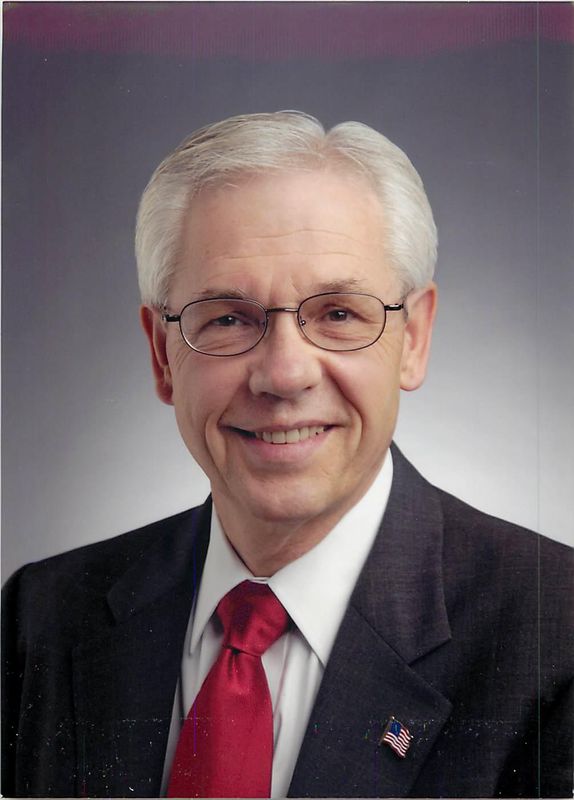
Thomas Dorr of West Des Moines is former USDA Under Secretary for Rural Development and former CEO and president U.S. Grains Council.
This article originally appeared on Des Moines Register: Look at farm policy, not entrepreneurs, to explain industry ills | Opinion
Reporting by Thomas Dorr / Des Moines Register
USA TODAY Network via Reuters Connect