In Iowa, we understand darkness. We know the quiet of a January morning before the sun has even considered rising, the crunch of ice under boots, and the way headlights stretch across gravel roads like thin threads of hope. Winter is long, and dawn is precious.
That is why the debate over permanent daylight saving time deserves more than political argument. It deserves reflection on human flourishing and the daily gift of light. The real question is not whether DST is the solution. The better question is: What problem are we trying to solve, and which permanent time standard best serves human flourishing in Iowa?

Scripture begins with light. Before anything else, God speaks: “Let there be light.” Morning light has shaped the faith of generations … resurrection at dawn, manna appearing with the morning dew, mercies “new every morning.” These stories remind us that the first light of day forms us in ways we often take for granted. They remind us that dawn is not just a moment on a clock; it is a rhythm that shapes human life.
During the 1974 energy crisis, the nation tried year-round daylight saving time. Iowa woke to winter mornings so dark that bus stop safety, rural commutes, and school readiness became urgent concerns. Public pressure mounted quickly, and by October, Congress reversed course. That experience still matters today because Iowa’s latitude, winter sunrise times, and rural realities have not changed. The same conditions that made permanent DST unsafe then would make it unsafe now.
When I served in the Iowa Legislature in the mid-1990s, that history was still vivid. It surfaced in committee conversations, constituent letters, and policy briefings. Rural families, school administrators, and transportation officials remembered the dangers clearly. Even decades later, the consensus was unmistakable: The 1974 experiment failed the people who needed protection the most.
Across the country, and certainly here in Iowa, people are tired of changing clocks twice a year. Polls consistently show strong support for a stable, year-round time system. But agreement on ending the biannual time change does not mean agreement on which time to keep. Many enjoy brighter evenings, while others, especially in rural states, are deeply concerned about pushing winter sunrises toward 9 a.m. The public agrees on the problem but remains divided on the solution.
Ending clock changes is a reasonable desire. But permanent DST would solve one inconvenience by creating a much larger one. Iowa’s winter realities ― dark rural roads, early bus routes, agricultural work that begins before sunrise ― make clear that darker mornings would fall hardest on children, rural workers and vulnerable communities. Stability matters, but so does safety.
As a pastor, I have stood with families grieving accidents on rural roads. I have prayed with exhausted shift workers whose bodies never fully adjust to unnatural schedules. I have listened to teachers describe the fog that settles over students who begin their day without light. Darkness is not evil, but it is not meant to be the primary environment in which we start our day.
Human beings are creatures, not machines. Morning light stabilizes circadian rhythms, improves mood, increases alertness and helps children learn. When we push sunrise later and later, we push our communities out of sync with creation itself. The church has long understood this; our liturgies are shaped by dawn and dusk morning prayer and evening prayer rhythms that invite harmony with God’s ordering of time.
Permanent daylight saving time may offer brighter evenings, but brighter evenings cannot outweigh the cost of darker mornings. Children should not begin their day in darkness. Workers should not commute in conditions that increase risk. Communities should not be asked to live out of step with the rhythms woven into creation.
This is not a partisan argument. It is a pastoral one.
Light is God’s first gift. Morning is God’s daily reminder that resurrection is real. And in Iowa, where winter is long and dawn is precious, we should be cautious about policies that dim the beginning of the day for so many.
As people of faith, we are called to walk in the light. Let us also ensure that our children, our workers, and our communities can begin their days in it.
The Rev. Neil P. Harrison is the senior pastor of First Lutheran Church in Maquoketa and a former Iowa legislator from Scott County.
This article originally appeared on Des Moines Register: Dawn matters. Let’s ask the right question about time in Iowa. | Opinion
Reporting by Neil P. Harrison, Guest columnist / Des Moines Register
USA TODAY Network via Reuters Connect
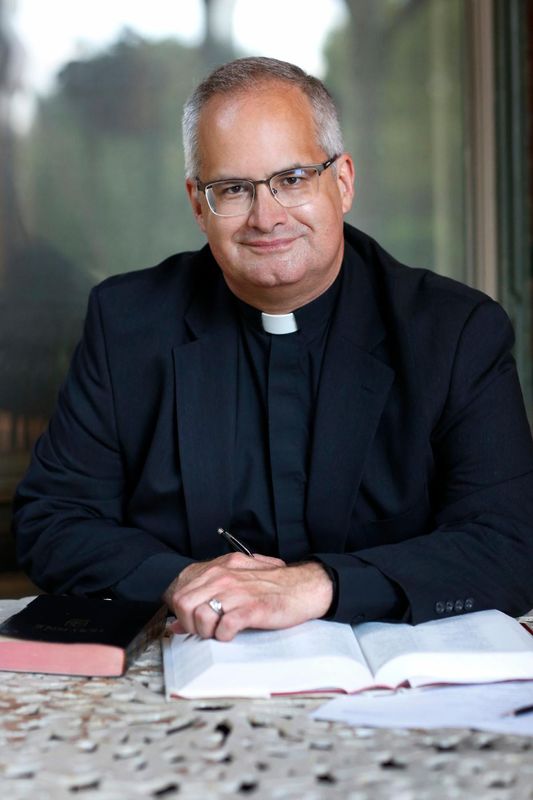
By Neil P. Harrison, Guest columnist | USA TODAY Network