A surprising statistic emerged from this year’s Iowa Cancer Registry report: Iowa farmers who participated in a long-running national health study had 13% fewer expected cancers when compared to the state’s total population.
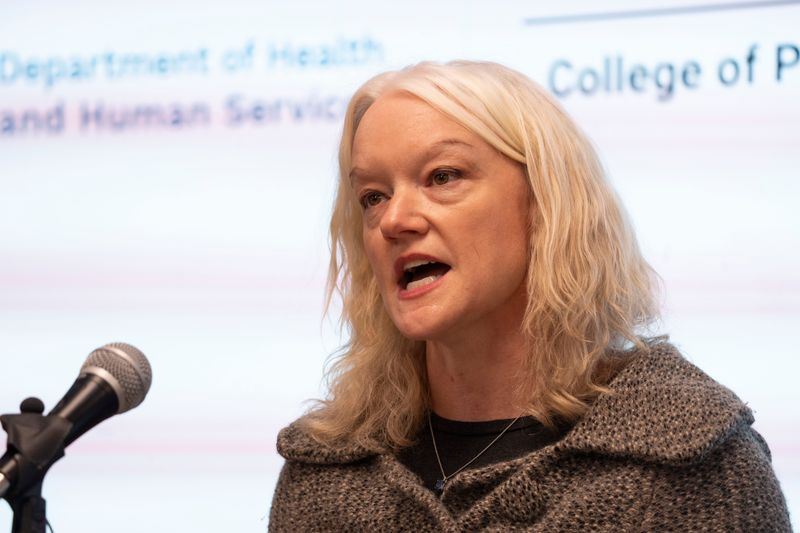
“They’re among a group of people who are arguably the most highly exposed to pesticides… so most people would think, oh, gosh, they must have a higher cancer rate,” said Mary Charlton, a University of Iowa professor of epidemiology, who co-authored the Cancer in Iowa report, released Friday, March 13.

“But cancer is so complicated, and there are many things that go into it, including lifestyle factors like smoking and drinking, which farmers do less” than the state’s overall population, Charlton said in an interview with the Des Moines Register.
Farmers also benefit from the “healthy worker effect,” in which people with physically demanding jobs like farming tend to be healthier than the general population, she said.
A less encouraging statistic from this year’s report: The rate of new cancers, as opposed to recurrences, among young adults in the state — those from 20 to 39 years old — ranks second highest nationally, behind only West Virginia’s.
The rate of new cancers in young adults for 2018 to 2022 was 7.5% higher than from 2008 to 2012 and is considered significant.
Researchers were unable to say why the new cancer rates increased for young adults. Michele West, a University of Iowa associate research scientist, said in an email it will require additional research to find an answer.
Fortunately, Iowa has a high proportion of cases diagnosed at an early stage, when cancers are more treatable, West said, and the Iowa group’s mortality rate is comparable to that for the U.S. as a whole.
Overall, Iowa continues to have the second-highest rate of new cancers nationally after Kentucky and is one of only three states, along with West Virginia and Utah, with rising new cancer rates.
Iowans are expected to be diagnosed with 21,700 new, invasive cancers this year, with 6,400 residents expected to die, according to the report’s estimate. The number of cancer survivors in Iowa is expected to grow to 175,290, the report says.
Here’s what to know about the Cancer in Iowa report.
Iowa farmers, spouses had some cancers more than state
The Iowa Cancer Registry, which tapped the national Agricultural Health Study, reported that the spouses of Iowa farmers had 10% fewer overall cancers than the state’s population as a whole.
About 89,000 farmers and their spouses in Iowa and North Carolina participate in the ongoing Agricultural Health Study. The analysis looking at farm and statewide cancer rates used data from 1994 to 2015.
The researchers determined how many cancer cases would be expected among participating Iowa farmers and spouses if they developed cancer at the same rates as other state residents. It then compared the expected number to the number of cancers found in its study group, adjusting for age and gender.
The Cancer in Iowa report said farmers in the state had fewer cases of colon and rectal, lung, bladder and other cancers, but more cases than expected of prostate and lip cancers.
Iowa farmer spouses had fewer cases of colon and rectal, lung, bladder, pancreatic and cervical cancers than other Iowans but had more melanoma and thyroid cancer, the report said.
The report said Iowa farmers and spouses were less likely to smoke and drink than the general state population, although a higher proportion of farmers used smokeless tobacco.
A higher percentage of Iowa farmers and spouses were considered overweight or obese, based on data from 1995 when compared to the general population. Since then, the report noted, Iowa’s overall obesity rate has nearly doubled to 40%.
Over the Agricultural Health Study’s 32 years, 11,347 cancers have been diagnosed in the participating farmers, including 6,478 in Iowa, and 5,254 in the spouses, including 3,436 in Iowa, the Cancer in Iowa report said.
What does the report say about nitrates, other environmental factors?
While high nitrate levels in drinking water are linked to some cancers, Charlton said more research is needed to quantify the impact of agriculture-related risk factors such as nitrates and pesticides.
A separate group Charlton belongs to this week released a report looking at key drivers of cancer in Iowa. The researchers told Iowa lawmakers Wednesday that legislation raising taxes on tobacco and establishing pesticide monitoring could help lower the state’s high cancer rates and provide more information on its causes.
Charlton told the Register the group will next “layer in environmental data and some genetic information that’s available… to really try and incorporate different types of risk factors into the models.”
She said reporting pesticide use, similar to a system in California, would help research.
“I think it’s a really important gap,” Charlton said. “People want to know what they’re exposed to.”
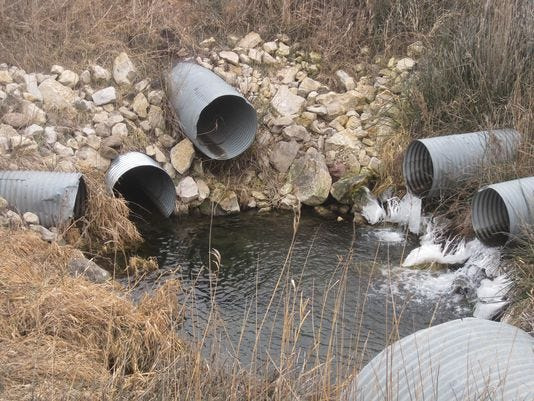
The Cancer in Iowa report noted that researchers have found 12% of Iowa private well users had nitrate levels in their drinking water above the federal limit of 10 milligrams per liter.
Unlike public water systems like Central Iowa Water Works, which provides drinking water to 600,000 Des Moines-area residents, private well owners are not regulated under the federal Safe Drinking Water Act, the vehicle for rules like the nitrate limit.
While municipal water systems are regularly monitored, only about 80% of the Iowa farmers in the Agricultural Health Study are estimated to have ever tested their private wells for nitrates.
“There’s a good chance that people are just testing their wells every once and awhile, when they should be testing them on a regular basis,” Charlton said, adding that Iowa has a program that allows for free testing.
One analysis using the agricultural health data shows nitrate levels above the federal standard were associated are increased risk of prostate cancer, a “particularly aggressive disease,” the cancer report said. And another report “suggested that risk of ovarian cancer increased with higher average nitrate levels in drinking water,” it said.
The report said that “determining whether an exposure causes cancer requires multiple types of studies. … A single study alone is usually not enough.”
“Iowans are understandably concerned about environmental risk factors, and we hope this report provides helpful context while reinforcing the need for more research,” Charlton said in a statement.
The Iowa Capital Dispatch contributed to this report.
Donnelle Eller covers agriculture, the environment and energy for the Register. Reach her at deller@registermedia.com.
This article originally appeared on Des Moines Register: A new report’s finding on cancer in Iowa farmers is unexpected. Why?
Reporting by Donnelle Eller, Des Moines Register / Des Moines Register
USA TODAY Network via Reuters Connect