SOUTH BEND — The University of Notre Dame has received a nearly $40,000 grant from the State of Indiana to develop an artificial intelligence-powered business coaching platform for low-income and disadvantaged entrepreneurs in its Urban Poverty and Business Initiative.
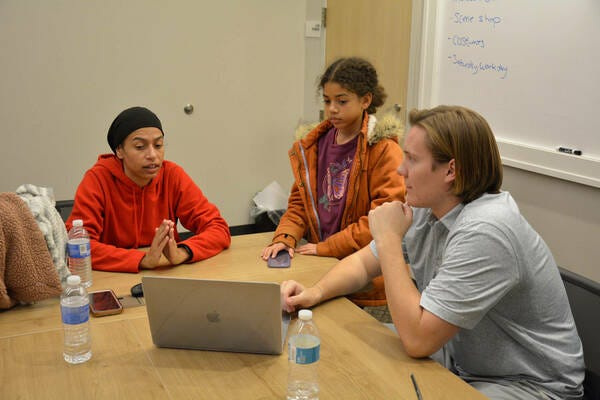
Part of Notre Dame’s McKenna Center for Human Development and Global Business, the initiative is a 10-and-a-half-month program that works with entrepreneurs from low-income or disadvantaged backgrounds as they start and grow a business.

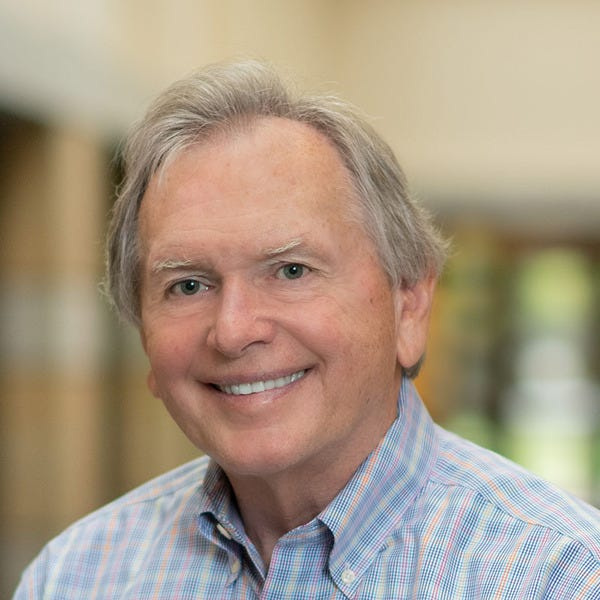
Michael Morris is a professor of entrepreneurship and social innovation at Notre Dame and the founder of the Urban Poverty and Business Initiative. He said the annual initiative is an in-person, cohort-based program, during which participants from around the world learn the program’s “80 steps to financial sustainability.”
These 80 steps range from creating a logo to hiring a first employee, Morris said, but they’re crucial to helping fledgling businesses succeed.
“The challenge is not to get a business started,” Morris said. “The challenge is to get the business to financial sustainability. And we’re seeing about 35% of these entrepreneurs get there. So in the entrepreneurial world, that’s fantastic.”
Since its founding, the initiative has expanded to 60 cities worldwide, and over 11,000 entrepreneurs have completed the program. It’s seen over 4,000 businesses launched and 4,500 jobs created, Notre Dame says.
And the new AI platform, dubbed the AI Pocket Mentor, will help the initiative expand its support of low-income and disadvantaged entrepreneurs, Morris said. The platform is meant to complement the in-person meetings, he said, helping graduates of the program and those currently enrolled receive assistance at any time.
According to a press release from Notre Dame, the AI Pocket Mentor is one of 22 initiatives selected for funding through Indiana’s Community Collaboration Fund, “which supports community-led projects that strengthen entrepreneurship and accelerate small business growth across the state.”
Morris said the AI platform will answer questions, monitor participants’ progress as they work through the 80-step program, offer financial literacy advice and help with bookkeeping.
“Our whole methodology is integrated into AI,” he said. “… If you’re opening a business bank account, how you do that in Alabama is not the same way you do that in South Africa. So it will tailor everything to the context; it will tailor everything to the language of the person that is in our program.”
Urban Poverty and Business Initiative in South Bend
While the program has expanded to dozens of cities around the world, with hopes of including more in the future, Morris said, South Bend’s program is the largest of the participating cities. Each year, he said, 70 entrepreneurs based in the South Bend region are selected to participate.
“It speaks to just an amazing reservoir of dreams that people who come from disadvantage have,” Morris said. “Those numbers are off the charts, to the point where we don’t have to market the program. We have 150 people on a waitlist.
“Every year we fill it to capacity. You’d think at some point we’d run out of people, but it’s not like that. It’s just the opposite.”
The South Bend program is currently in the middle of a cohort, he said, but those interested in participating in a future program can fill out a short application on the initiative’s website, as the current rotation wraps up in a few months. Morris said the program requires participants to have a business idea and come from a disadvantaged background; as long as those criteria are met, he said, if there’s room in the program, they’ll be accepted.
More information can be found by emailing the McKenna Center at mckennacenter@nd.edu.
Entrepreneurs who come from low-income or disadvantaged backgrounds bring a unique perspective, Morris said, and the program teaches them how to leverage that to develop and launch a business that brings value to themselves and others.
“The mistake people make is they think poverty is a lack of income,” he said. “Poverty is teenage pregnancy. Poverty is housing insecurity and substandard housing. Poverty is single parenthood. Poverty is chronic health problems. It’s social exclusion. So it’s a comprehensive experience that affects how people think, what their expectations are, how they process information, how they make decisions.
“… But there are a ton of inspiring success stories, not just in what they accomplish with their business, but in how it transforms them and their lives.”
Email South Bend Tribune staff reporter Rayleigh Deaton at rdeaton@usatodayco.com.
This article originally appeared on South Bend Tribune: Indiana pays Notre Dame for AI coaching for low-income entrepreneurs
Reporting by Rayleigh Deaton, South Bend Tribune / South Bend Tribune
USA TODAY Network via Reuters Connect

By Rayleigh Deaton, South Bend Tribune | USA TODAY Network