My father was an electrical engineer at Bendix in Mishawaka before moving to their South Bend facility that later became AlliedSignal and is now Honeywell. When I graduated from Marian High School, my plans to study mechanical engineering at Notre Dame made good sense to him. Upon finishing my bachelor’s degree, though, my goal to get a Ph.D. rather than work in industry did not. “You’re going to be a professional student?” he asked. Dad didn’t really understand my passion for engineering research until years later when he first saw the biped robot I had built walking around in my lab.I hope it made him proud that my research since then has focused on using the same robotics principles to help people recover their ability to walk. Through funding from the National Science Foundation, I collaborated with the amazing team of physical therapists at Memorial Hospital to use the Nintendo Wii Balance Board as a low-cost means for providing visual feedback during patients’ balance retraining after experiencing a stroke. The National Institutes of Health and the Department of Defense have supported my research with physical therapists from Ohio State University to develop a new downhill treadmill rehabilitation strategy for individuals with spinal cord injury.
The NSF has funded my work with a start-up company to pursue exoskeleton-based rehabilitation as an innovative approach to the same challenges. Most recently, NSF and DOD funding has allowed me to partner with researchers at the Indiana University School of Medicine to improve robotic prostheses for individuals with below-knee amputations, both civilians with diabetes and war veterans with traumatic injuries.

These projects all benefit from local people with stroke, spinal cord injury, or amputation who volunteer their own time in the lab to help us researchers learn how to better address their mobility challenges. This knowledge can’t be gained without their help and insights or without the support of federal grants from agencies like the NSF, NIH, and DOD.I love to walk around my hometown of South Bend, especially in the summertime. Federal funding of engineering research like mine gives people here in our community, and thousands like them across the U.S., the hope that they too can enjoy the privilege of walking, regardless of a stroke, spinal cord injury, or amputation.
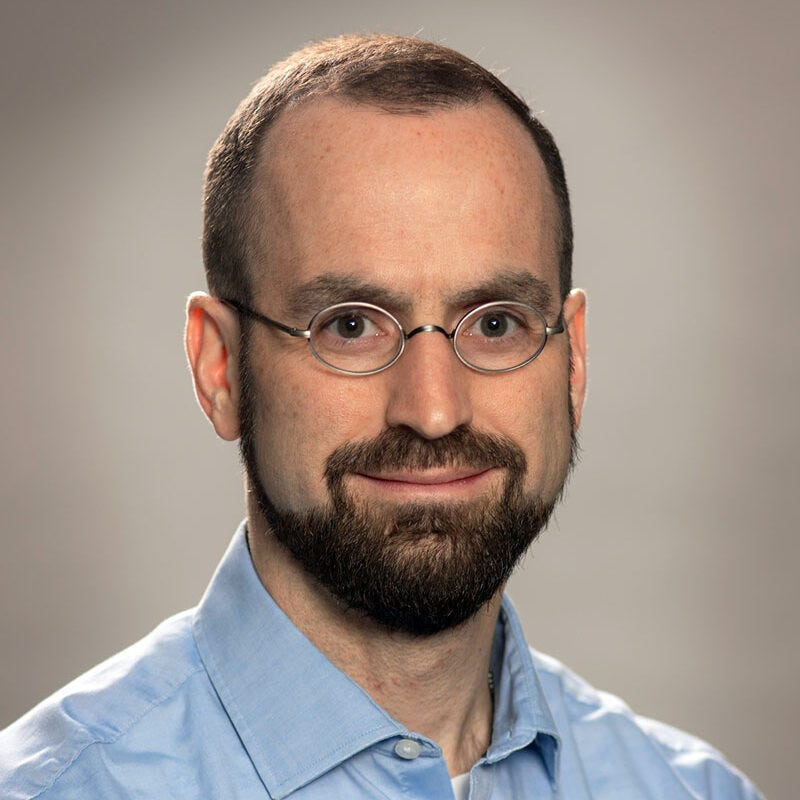
James Schmiedeler is a professor & associate dean in the Department of Aerospace and Mechanical Engineering at the University of Notre Dame.
This article originally appeared on South Bend Tribune: Engineering research funding impacts our community and beyond | Opinion
Reporting by James Schmiedeler / South Bend Tribune
USA TODAY Network via Reuters Connect