I admit to having had a fleeting hypothesis right after hearing Vero Beach police found two shooting victims outside the main Indian River County library March 24.
A double murder in downtown Vero Beach was shocking and tragic. My gut reaction: Was it connected to an early morning drug deal or homelessness?

About eight hours later, I learned the victims were unrelated county employees. Because they were shot an hour before the workday, I altered my hunch.
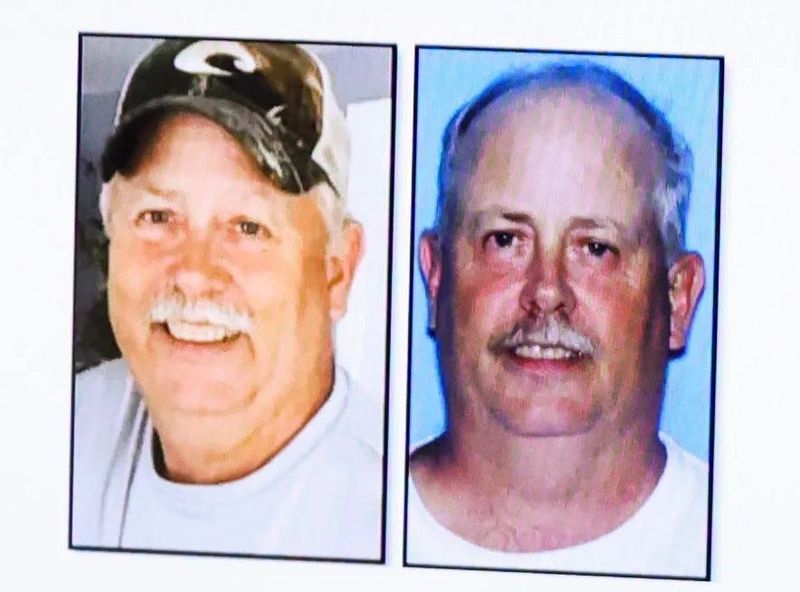
The next day, city Police Chief David Currey seemed to support it: The male and female victims had a relationship and were gunned down by the woman’s despondent husband, he said.
I didn’t give the case much thought other than to mourn for the victims and hope the shooter was caught. When asked, I could only think of a handful of homicides around the downtown area — the most horrific in 1988, when three employees were slain inside Domino’s Pizza, 937 20th Place.
The other day, though, I felt a little guilty guessing ― even without telling anyone — what might have happened before I knew the facts. I still don’t know all the facts (Does anyone? Will anyone?), so I won’t dwell on the case.
Research explains fascination in crime stories
But was my quick reaction to the news normal? What about other people’s reactions ― widespread social media posts, with assumptions and predictions, police sightings, sharing stories, judging the three people involved, second-guessing police etc.?
Why, I wondered, were so many people seemingly obsessed with uncovering every detail of the case ― even at the outset when facts were unknown — then offering their two cents?
Is this a new phenomenon?
Online research led me to a 2024 Edison Research study showing 84% of Americans consume “true crime media,” with the vast majority interested in “murder.”
Perhaps that should be no surprise given the plethora of such content on TV and streaming platforms.
As Dr. Michael Mantell, a retired clinical psychologist, likes to say, it’s the old “if it bleeds, it leads” factor.
“We watch crime because it allows us to feel compassion, not only for the victims but sometimes for the perpetrator(s) as well,” Mantell, now a mental health coach in San Diego, told writer Emma Richards in a 2023 essay in Social Science Space. “It helps us feel secure.”
I called Mantell to learn more about why some people obsess over bad news that’s now, vs. when I grew up, available 24/7.
“Some of it is a vicarious thrill,” he told me. “It is an opportunity to practice compassion … (or) what would it be like if I was the victim or I was the perpetrator, God forbid.”
In physiological ways, sports, crime mysteries linked
It’s the same reason why, he said, people are fascinated by the disappearance of Nancy Guthrie, 84, whose daughter, Savannah, anchors the “Today” show. Or, nearly a century ago, the Lindbergh baby kidnapping.
There’s nothing wrong with imagining ourselves in the shoes of the Guthries, Lindberghs or people involved in other crime cases, he said.
“It’s a chance to play act in your mind,” he said, taking about physiological arousal, such as increased heart rate, that might come with it.
Many of us get similar sensations watching sports, particularly at crowded venues, Mantell said. Fans root for their team, much like they normally root against a shooter.
“It is a natural outlet and oftentimes a healthy outlet to be interested in the darker side of the headlines,” he said.
“We’re all just wired to pay attention to negative information,” Mantell continued, calling it “negativity bias.” “We don’t enjoy tragedy, but we enjoy a bit of uncertainty.”
Some of that bias could be caused by our innate vigilance regarding danger, he said. We’re wired to learn more about potential threats.
Politicians take advantage of ‘negative bias’
That reminded me of tactics politicians use to work us up: If we elect Democrats or that guy, this will happen. If we elect Republicans and this gal, that will happen. And if we don’t pass this bill or sign this executive order, even more will happen.
Mantell agreed with how effective their strategies can be.
But some people face depression, anxiety, rage or anger while consuming negative news, Mantell said. He has helped people understand negative bias and how to control it.
“The news doesn’t make you feel anything,” he said. “We do that to ourselves in how we interpret news.”
So people should take a step back and determine whether bad news is useful, how important it is to their lives, if they can control it or if they should just ignore it.
Some local cases are more interesting than others, starting with those that, like the Vero Beach shooting, hit close to home and include intrigue (real or imagined).
In the Vero Beach case, the victims and suspect were our neighbors. Some of us knew them, their neighbors or their relatives.
Uncertainty breeds more interest
As for those of us who didn’t, this case offers intrigue:
Right after the shooting, fire-rescue officials were called to an ocean beach to help a fully clothed man swimming an estimated nine football fields offshore. They let him go because he said he did not need assistance and they had no idea that hours later he would become the suspect.
Later, the suspect’s vehicle was found in the beach parking lot with wet clothes inside. A security camera farther north captured an image of the suspect with shorts on walking the beach, police said.
More than three days later, police said they did not know where the suspect, described as despondent, was. About 800 people logged onto the Vero Beach police Facebook page to watch a news conference on the matter.
A debate ensued in Facebook comments about police response and the potential danger to the community if the suspect remains at large.
Uncertainty breeds more uncertainty. And, as Mantell said, questions associated with negative bias.
Which is why some of us will be fascinated with this case at least until we know what happened to the suspect.
Let’s hope we get that answer soon.
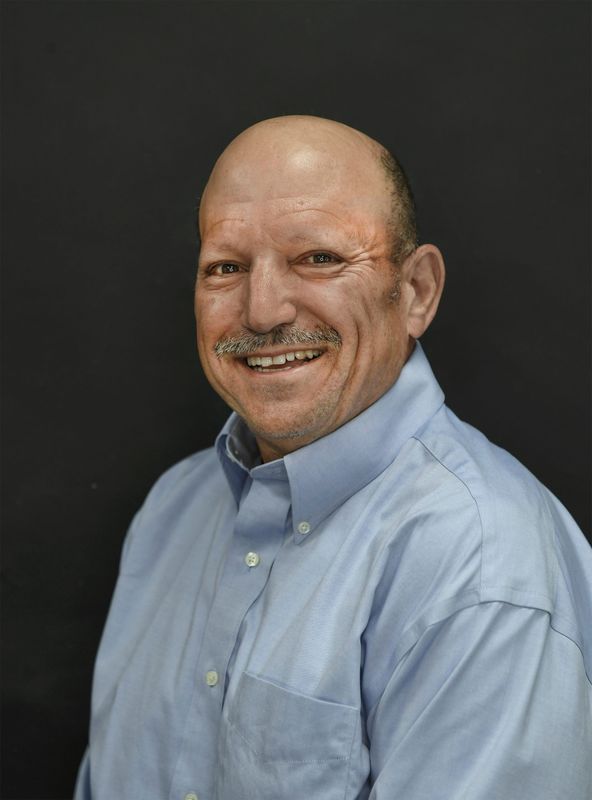
This column reflects the opinion of Laurence Reisman. Contact him via email at larry.reisman@tcpalm.com, phone at 772-978-2223, Facebook.com/larryreisman or Twitter @LaurenceReisman.
If you are a subscriber, thank you. If not, become a subscriber to get the latest local news on the latest local news on the Treasure Coast.
This article originally appeared on Treasure Coast Newspapers: Vero Beach ‘passion’ shootings prompt huge interest. Why? | Opinion
Reporting by Laurence Reisman, Treasure Coast Newspapers / Treasure Coast Newspapers
USA TODAY Network via Reuters Connect