Our Daily Bread Food Pantry is the recipient of a $55,000 grant from the United Church of Marco Island and the Bargain Basket, according to a press release.
“UCMI’s long-standing generosity and continuing belief in our mission has been a key factor in our ability to meet the increasing need for our food distributions caused by rising inflation and economic uncertainty,” said Our Daily Bread Food Pantry Executive Director Evelyn Rossetti-Ryan, EdD. “Our shared belief that God wants us to help our neighbors in need has also demonstrated how working together makes a real difference in raising awareness about food insecurity and builds a stronger community through collective action.”

That money is expected to purchase an estimated 44,000 pounds of healthy food (36,667 meals) at for food-insecure children and families in the community.
“We are honored to be part of this important ministry to our community and Collier County, and we are so grateful for the people who support the Church and the Bargain Basket who make this possible,” said Pastor Ed Brandt, United Church of Marco Island.
CROW warns against feeding pelicans
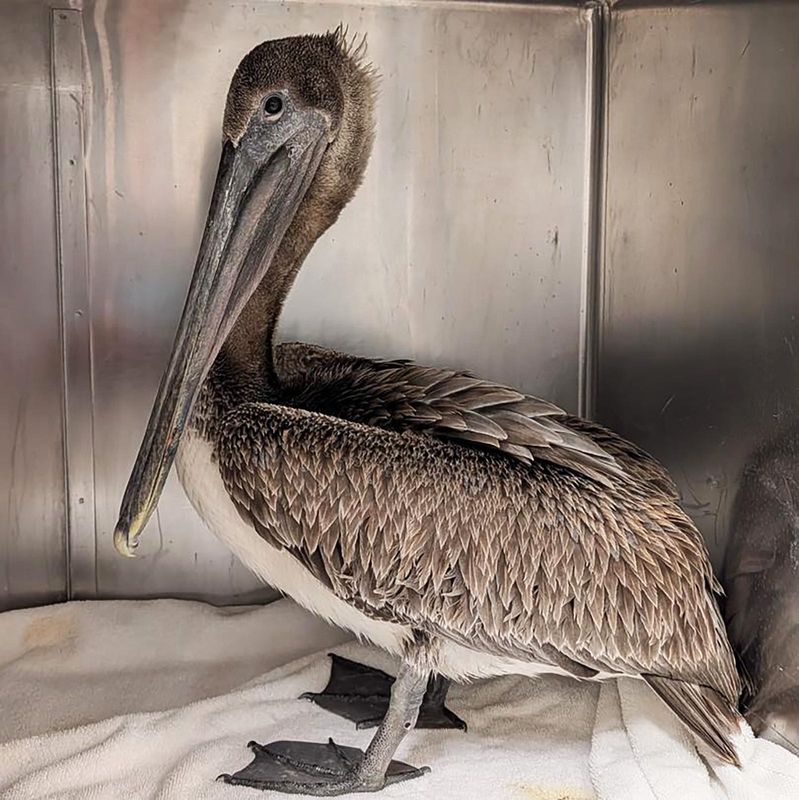
As the state prepares for an expanded recreational red snapper season, the Clinic for the Rehabilitation of Wildlife wants to remind anglers that feeding pelicans and other seabirds fish scraps can unintentionally cause injury or death.
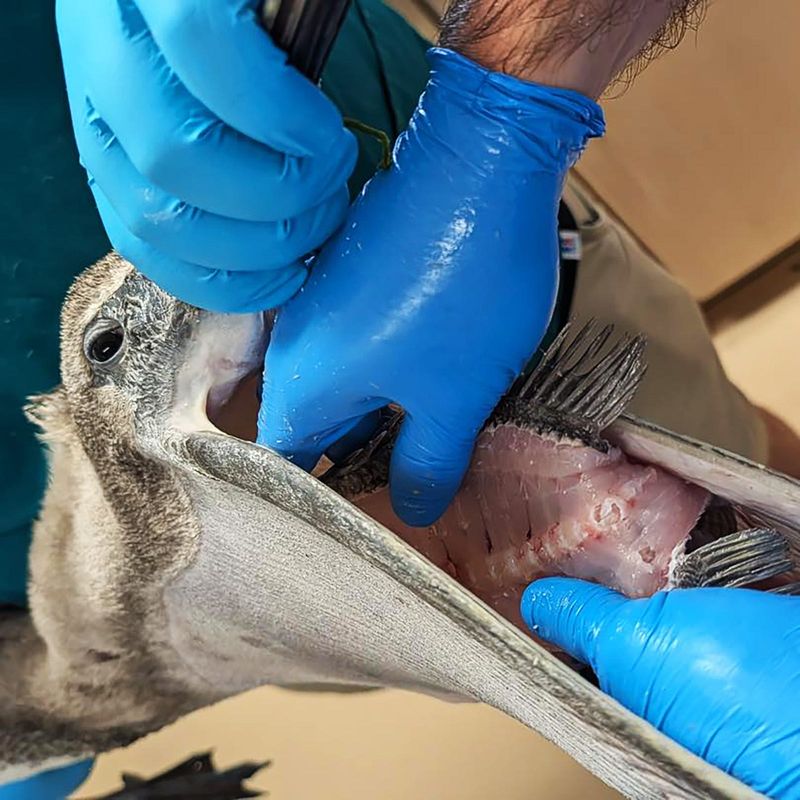
CROW wildlife rehabilitators commonly treat seabirds with fish fillet scraps lodged in their throats after the birds attempt to swallow the carcasses discarded by anglers. CROW says that while the meat may seem harmless, exposed bones can become stuck while going down, causing injury and preventing the birds from swallowing any other food.
“When people throw fish scraps to pelicans and other seabirds, they may think they are doing something good,” said Amber Strassler, CVT, CWR, a certified veterinary technician and floor manager at CROW. “In reality, the exposed bones of the fillets can become lodged in the bird’s throat and tear the delicate pouch. The bird may then slowly starve because it can no longer feed properly.”
CROW wants to remind the public that seabirds can find their own food and do not need to be fed by humans. Feeding wildlife can also encourage birds to gather around fishing docks and cleaning stations, increasing their risk of injury from hooks, fishing line and harmful debris.
In Florida, feeding pelicans is illegal.
CROW encourages anglers and beachgoers to properly dispose of fish carcasses and all fishing-related waste to help protect local wildlife.
Learn more about CROW at crowclinic.org.
Share the shore with sea turtles and shorebirds
Florida’s sandy beaches provide critical spring and summer nesting habitats for several species of federally threatened and endangered sea turtles, including loggerhead, leatherback and green sea turtles; with occasional nesting by federally endangered Kemp’s ridley sea turtles.
FWC says it can be exciting to spot a sea turtle nesting on the beach, give them plenty of space (50 feet or more) to avoid causing turtles to leave before they complete the nesting process. All species of sea turtles and their nests are protected and should not be disturbed. It is illegal to harm, harass or take nesting sea turtles, their eggs and hatchlings.
Coastlines are also important nesting, resting and foraging habitat for imperiled beach-nesting birds, including black skimmers, least terns, snowy plovers and American oystercatchers.
To help with their nesting success, keep at least 300 feet from nesting shorebirds, seabirds and wading birds. By giving nesting waterbirds plenty of space, you can help avoid causing them to flush from their nesting sites, which would leave vulnerable eggs and chicks exposed to the elements and predators.
Additional tips from FWC:
For more information about nesting waterbirds, go to MyFWC.com/Shorebirds and download the “Share the Beach with Beach-Nesting Birds” brochure.
For more information about nesting sea turtles and how you can help, visit MyFWC.com/SeaTurtle or see the FWC’s “Be a Beach Hero” brochure.
Live, work or play on Marco Island, South Naples or Everglades City? If so and you have something you’d like featured in Now You Know, send your information to mail@marconews.com.
This article originally appeared on Marco Eagle: Now You Know: Don’t feed pelicans; $55,000 grant to Marco pantry; more
Reporting by Will Watts, Special to the Eagle / Marco Eagle
USA TODAY Network via Reuters Connect