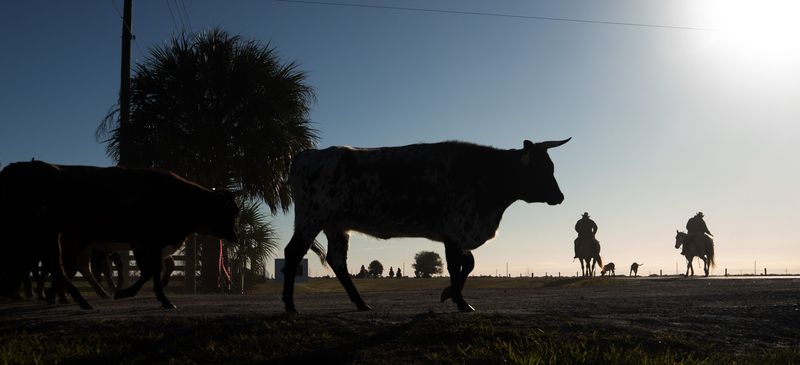
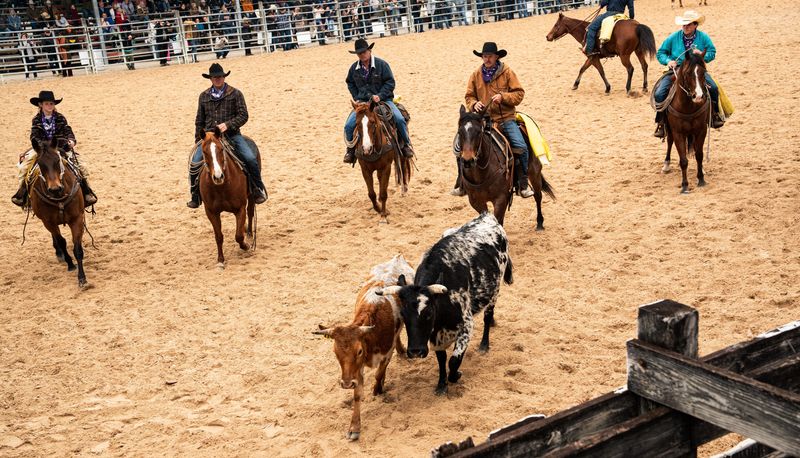
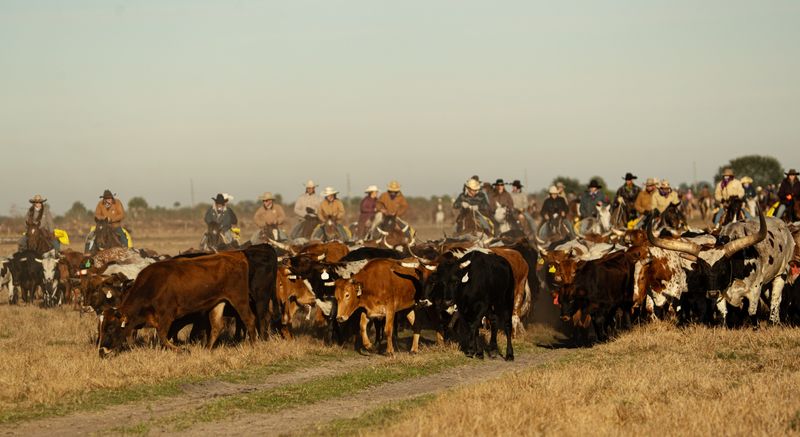
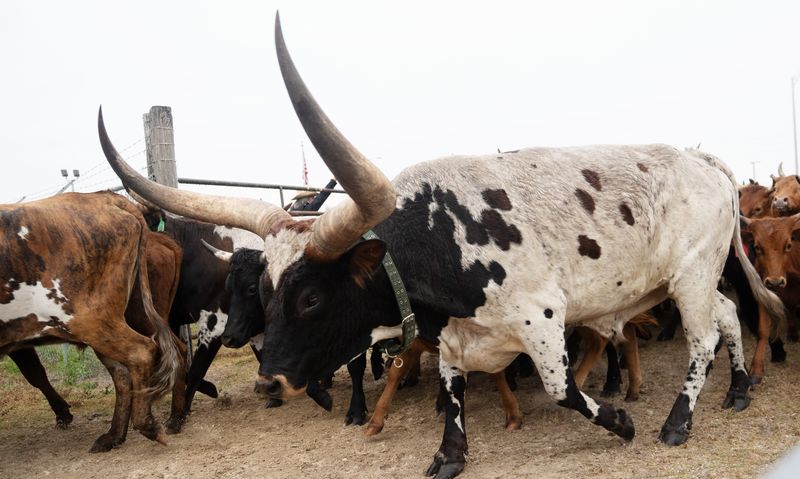
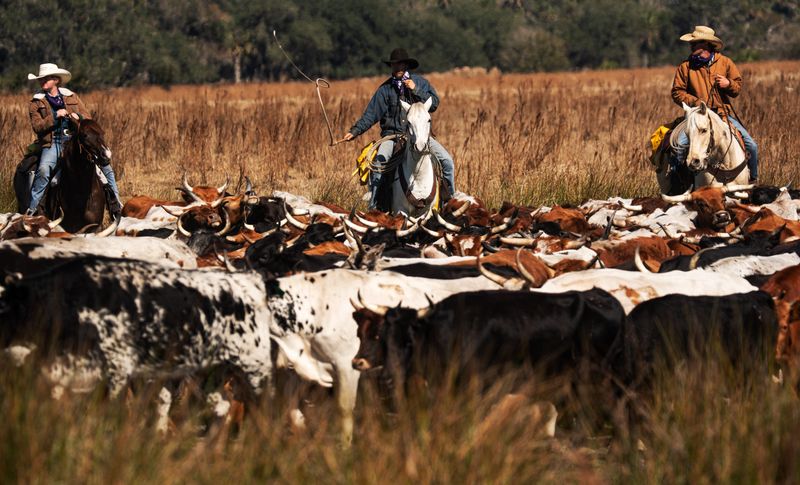
The beasts of burden that helped build this nation are still being used on the rural planes and prairies of Central Florida, just as they were centuries ago.
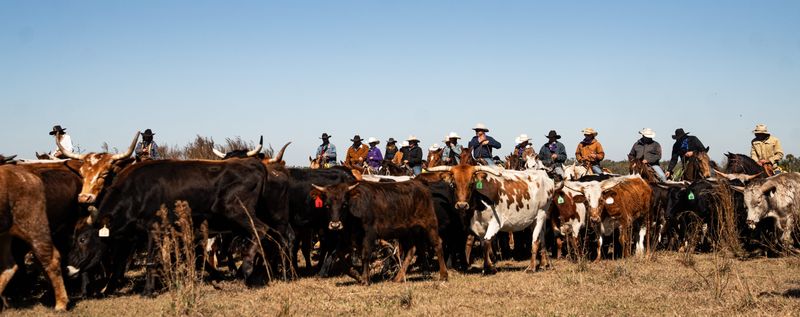
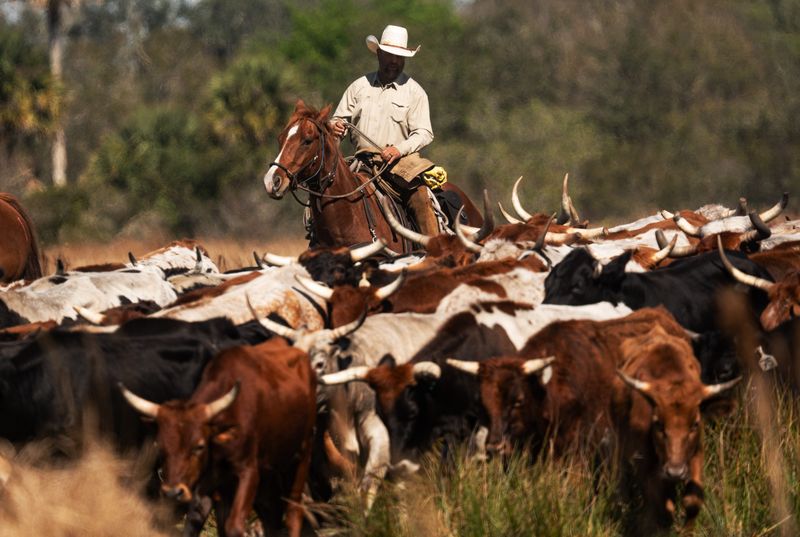
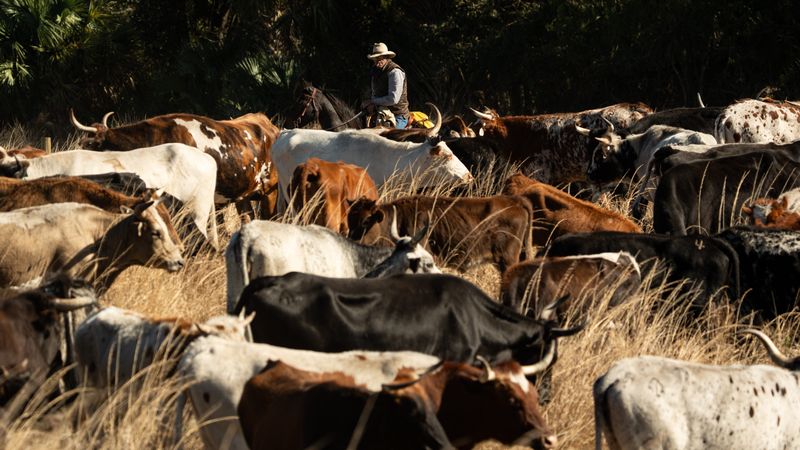
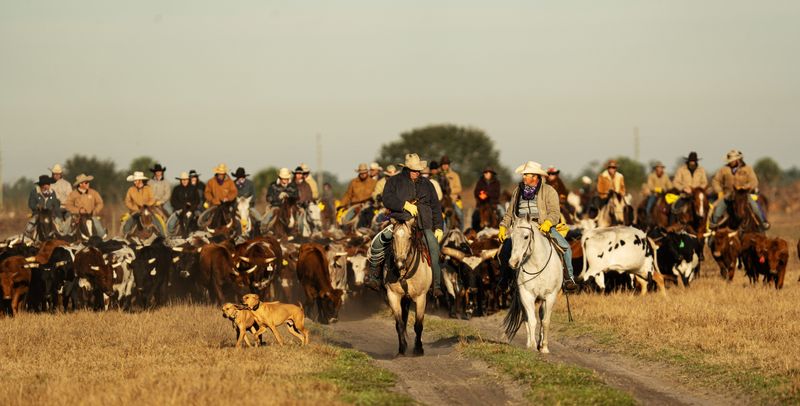
The United States of America is this year turning 250 years old, but cattle driving in Florida dates back to the early 1500s. The Great Florida Cattle Drive, which started in late January, featured humans, horses and dogs working together to drive cattle along ancient routes.

Horses, hogs and cows were some of the first invasive species introduced to North America, by explorers like Juan Ponce de Leon.
They were brought here to provide a consistent food source for Spanish soldiers and missionaries.
By 1600, there were about 20,000 head of cattle in what is now Florida, according to the Florida Beef Council.
The first ranches in the New World were built and expanded here.
Horses came to Florida around the same time as cattle as they were used to herd and capture wild cows, which were left to roam in the subtropical wilds of this state.
People we now refer to as the Seminoles started herding and working cattle by the 1700s, and today members of both the Seminole Tribe of Florida and the Miccosukee Tribe of Indian of Florida are involved in cattle operations.
Pioneer families began moving to the Florida in the early 1800s, and they learned to herd and drive the wild cattle that roamed here.
Unlike other areas of the nation, cattle weren’t contained by vast networks of fencing.
Florida cowboys, or cracker cow men, were skilled at capturing the wild cattle.
Using fencing for cattle was not a thing until the late 1940s, according to the St. Lucie Historical Society.
The cowboy or cracker whip and the wide-brimmed cowboy hat are the trademark attire for people who work cattle in Florida, and those tools have been in use here since the United States was formed.
Florida became a state in 1845, and cattle ranches still thrive here. To help, cattle workers developed the Florida cracker horse, which is unique to the Sunshine State.
Cattle have roamed here more than 500 years
Developed from Spanish stock brough to the Americas in the 1500s and 1600s, Florida cracker horses are known as medium-size but very strong horses that are agile around cattle.
They have a comparatively fast walking gate, and cracker horses have strong herding instincts, according to Florida historians.
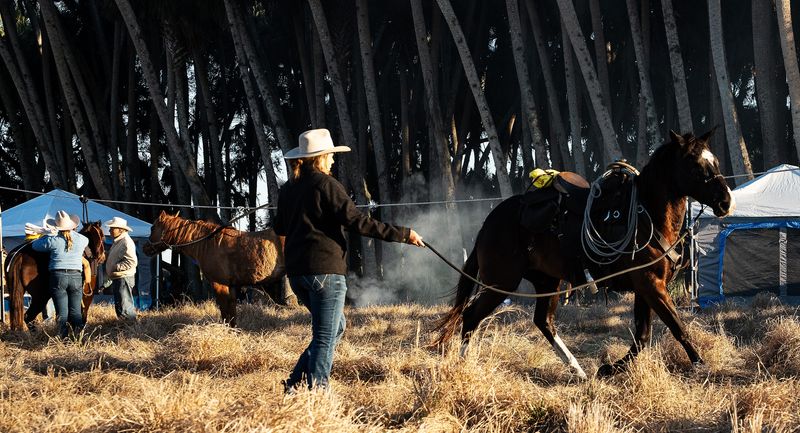
From the prolific and abundant American quarter horse to specialized breeds like the Tennessee Walking horse, various breeds carried hundreds of riders on this year’s Great Florida Cattle Drive.
Seven cattle were brought to Florida by Juan Ponce de Leon in 1521, which eventually led to a network of breeding cow-calf operations that stock ranches around the world.
Florida’s warm climate was ideal for cattle, and the Spanish animals soon adopted to Florida’s heat and humidity.
Today’s cattle in Florida are mostly raised for beef as food.
Over the centuries, cows from the west have been introduced to the Florida population, which produced a larger cow.
Larger stock calls for larger horses, so the cracker horse was kind of lost in the mix as well.
Farming still alive and thriving in Florida today
Called cow-calf operations, the calves are born here but sold to ranches in other states or countries.
Calves spend the first six to 10 months of their lives in Florida, and then most are shipped to Texas, Oklahoma and far corners of the globe.
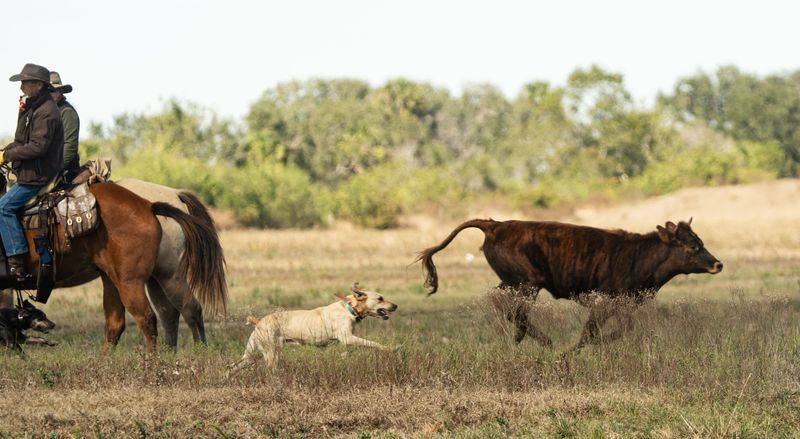
Cowboys and cowgirls also use dogs to drive and steer the herds.
Black-mouth cur dogs are frequently used. Most are fawn in color with a black muzzle, hence the name black-mouth. Black, brown and white can also be found on some cur dogs.
A medium-sized muscular and athletic dog, black-mouth curs are a mixture of European breeds, and they can be trained to guard livestock, drive cattle or to guard ranches and homes.
Chad Gillis is an environment reporter and can be reached by email at cgillis@news-press.com.
Please support local community journalism and stay informed about Southwest Florida news by subscribing to The News-Press and Naples Daily News; download the free News-Press or Naples Daily News app, and sign up for daily briefing email newsletter, food & dining and growth & development newsletters here and here.
This article originally appeared on Fort Myers News-Press: Historic cattle drive shows beasts of burden used to build this nation
Reporting by Chad Gillis, Fort Myers News-Press & Naples Daily News / Fort Myers News-Press
USA TODAY Network via Reuters Connect