In the 1970s, Tallahassee witnessed the closure of the FAMU Hospital, an institution that trained Black physicians and served Black patients when segregation shut them out elsewhere. As legal segregation fell and integration became profitable, Black talent and resources were absorbed into other systems, and a vital Black-controlled health institution disappeared.
That loss still echoes in Tallahassee’s Black communities, where disparities in care, access, and trust continue to linger.

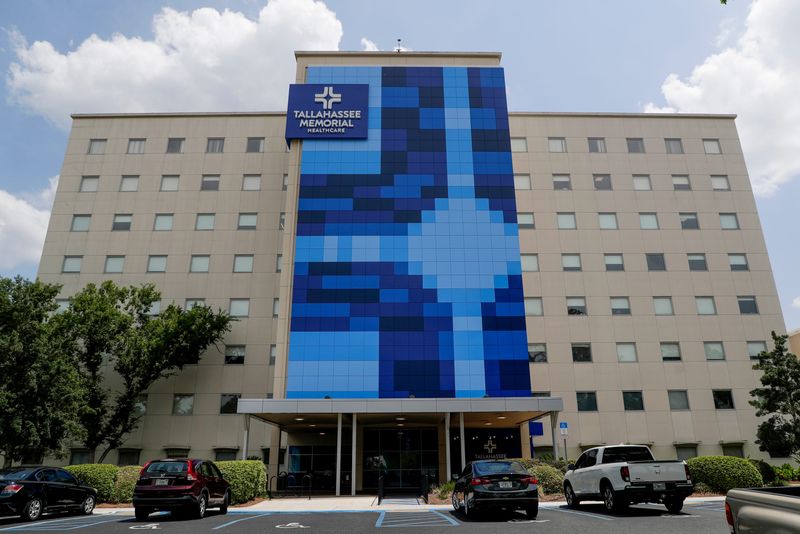
Now, decades later, we are being asked to trust and accept a backdoor deal for our remaining interest in the public hospital under the promise that prosperity will “ripple” outward. The Tallahassee-Leon County Office of Economic Vitality projects an economic impact of $3.64 billion and more than 900 jobs. We are urged to believe that an alleged $1.7 billion investment will ripple through our community, with some suggesting bountiful benefits for other medical service providers. But Black residents have heard this story before, and many of us know how it is likely to play out.
For many of our elders, this sounds like the same old “trickle-down” logic used to justify unjust transfers of community assets. History has taught us that when benefits are vague and power is centralized, our communities pay the price.
Supporters of the proposed Tallahassee Memorial–FSU non-binding Memorandum of Understanding (MOU) describe it as a bold, generational step forward. Some have even called it the “moral choice,” arguing it will align our hospital with a major university and attract research dollars. But when we look past the headlines and into the fine print, a different picture emerges. Simply put, the MOU would end public ownership of our hospital and transfer it to a state-controlled institution with no direct accountability to the people who rely on it most.
This represents a surrender of the community’s leverage over the region’s primary safety net for trauma care, Medicaid patients, and the uninsured. If services shift, priorities change, or costs rise, the people most affected will have the least recourse.
In exchange, the city would receive 30 annual payments of $3.63 million—$109 million over 30 years—for the hospital campus and related assets. With no enforceable guarantees for our communities, it is difficult to see how this deal benefits anyone outside of FSU.
Equally troubling is the speed and process by which this deal is being pushed forward. Voters and residents have been given minimal opportunities to directly engage with institutional leadership or their elected representatives. A public hospital should not be transferred without the public. A fair process would include, at a minimum, six town halls hosted across the city — especially in neighborhoods with vulnerable residents—along with plain-language explanations of alternatives that do not require ownership transfer.
Progress does not require secrecy. Partnership does not require ownership. And healthcare equity cannot be built on the erosion of community power.
On Jan. 14, the City Commission has a choice. Sources close to the deal say three commissioners may have already decided their votes. Still, we believe our elected leaders can act with integrity by voting no or adopting a substitute motion to pause the transfer and revisit it after meaningful public engagement, stronger protections, and a clear demonstration that this deal serves the people first.
Doing so would not kill progress; it would legitimize it.
We invite residents to attend the City Commission meeting on Jan. 14 and demand transparency, participation, and a vote that protects the community first.
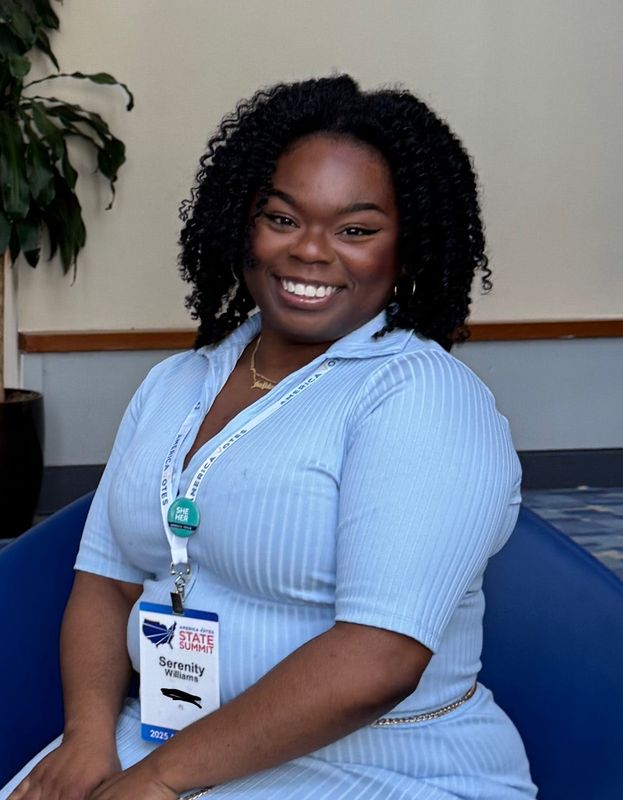
Serenity Williams leads Tallahassee A.L.E.R.T. (African American Local Election Review Team), a Black-led, nonpartisan civic engagement organization in Leon County. Contact her at info@tallahasseealert.org or (850) 313-7201.
Bruce Strouble Jr. leads Tallahassee A.L.E.R.T. (African American Local Election Review Team), a Black-led, nonpartisan civic engagement organization in Leon County. Contact him at info@tallahasseealert.org or (850) 313-7201.
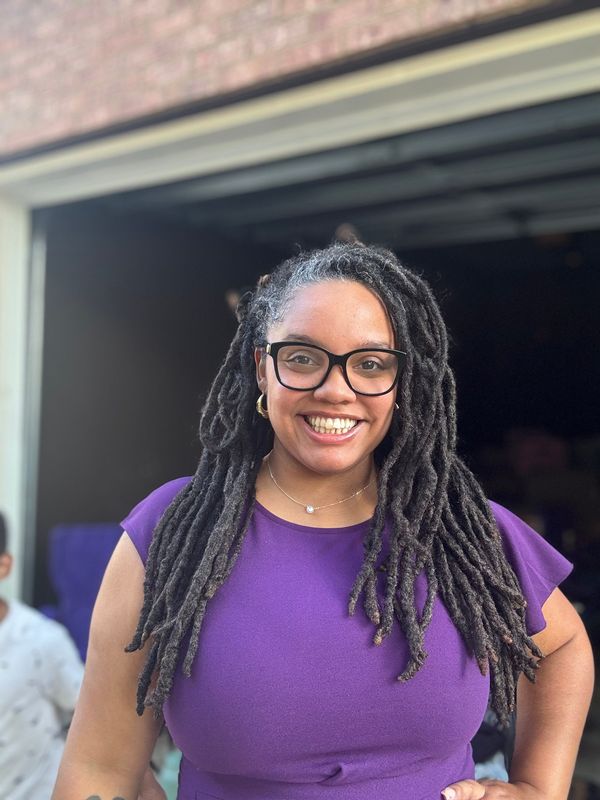
Melanie Andrade leads Tallahassee A.L.E.R.T. (African American Local Election Review Team), a Black-led, nonpartisan civic engagement organization in Leon County. Contact her at info@tallahasseealert.org or (850) 313-7201.
JOIN THE CONVERSATION
Send letters to the editor (up to 200 words) or Your Turn columns (about 500 words) to letters@tallahassee.com. Please include your address for verification purposes only, and if you send a Your Turn, also include a photo and 1-2 line bio of yourself. You can also submit anonymous Zing!s at Tallahassee.com/Zing. Submissions are published on a space-available basis. All submissions may be edited for content, clarity and length, and may also be published by any part of the USA TODAY NETWORK.
This article originally appeared on Tallahassee Democrat: FSU-TMH proposal ignores community input, concerns, history | Opinion
Reporting by Serenity Williams, Bruce Strouble Jr., Melanie Andrade, Your Turn / Tallahassee Democrat
USA TODAY Network via Reuters Connect