Nineteenth-century Florida tourists usually had to buy pictures to show the folks up north where they had been – postcards, photo albums and stereographs. Cameras were bulky and processing was a challenge. That changed in 1888 when George Eastman introduced the point-and-shoot box camera.
Before long, the tourist with a camera hanging about the neck became a Florida stereotype.

The Kodak No. 1 camera, introduced in 1888, came with a 100-frame roll of film already inside and ready to go. You took your photos – pointing the camera in the general direction of your subject and hoping for the best; it had no viewfinder – then you would mail the entire camera back to Kodak which would print your photos and send you back a new camera packed with a new roll of film. “You press the button, we do the rest,” was the company’s slogan.
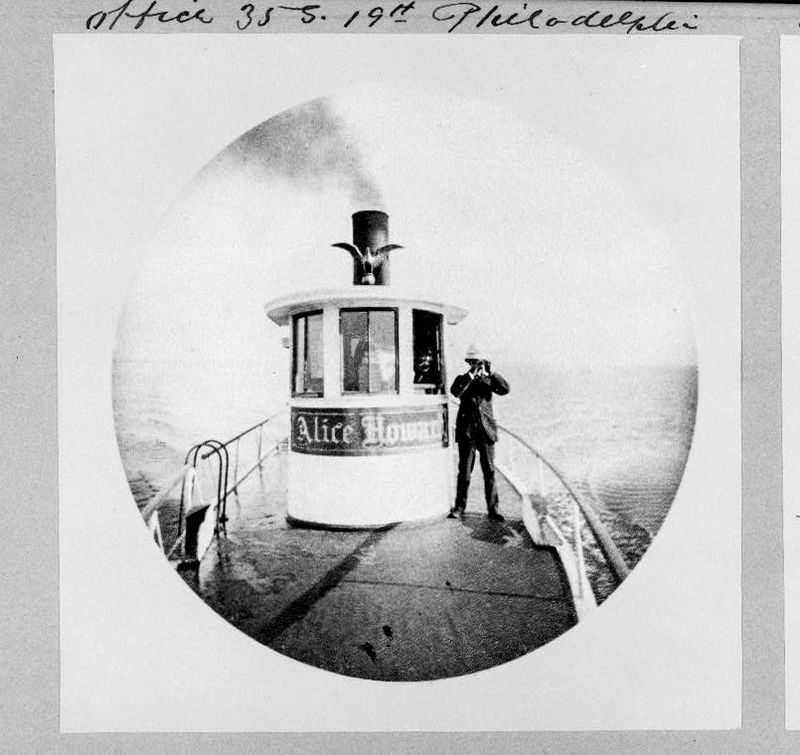
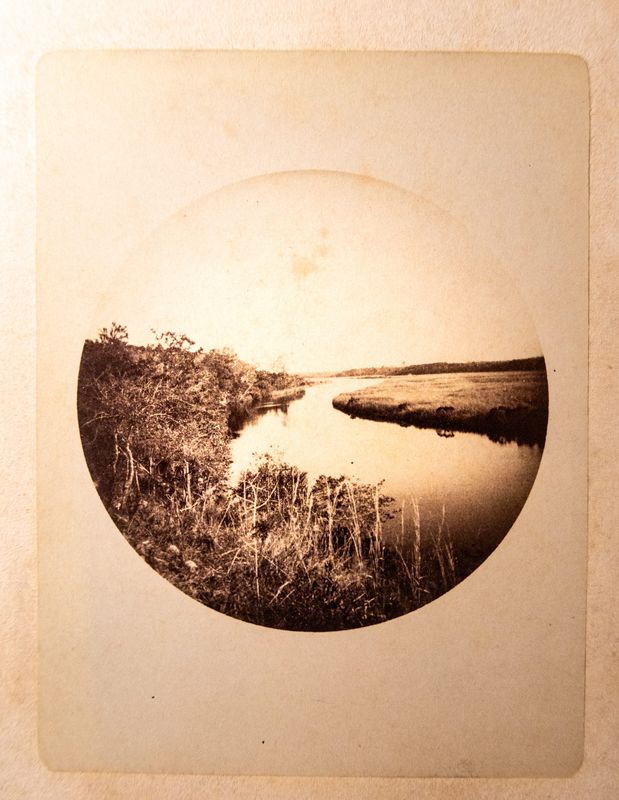
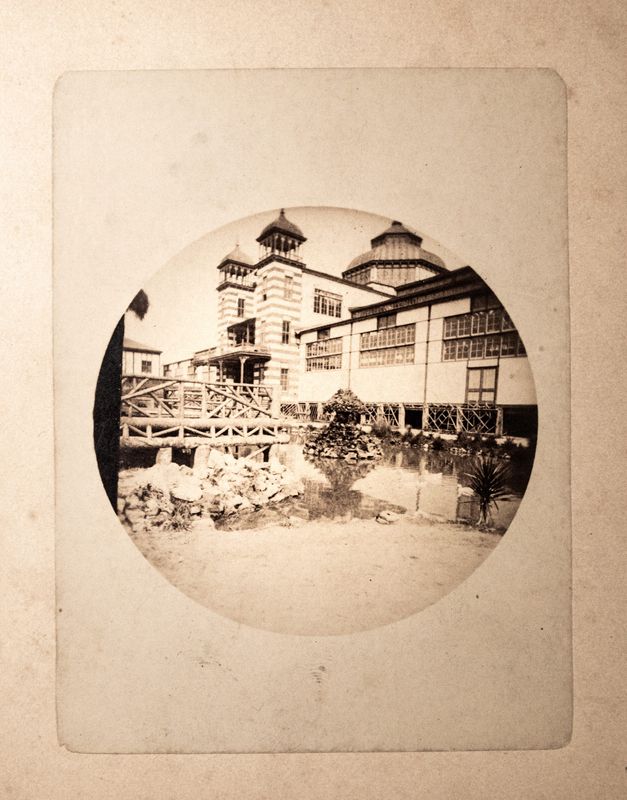
The printed photos from the No. 1 were round and 2-and-a-half inches in diameter, making it easy to tell which pictures were made with this camera when sorting through a box of antique photos.
The Kodak No. 1 was succeeded by the Kodak No. 2 and Kodak Model A, B and C. Eastman began getting more creative with model names with the Brownie box camera, introduced in 1900. Various iterations of the Brownie line continued until the 1980s.
Do you have a vintage photo to share?
If you have photos showing the landmarks, people and events of Volusia and Flagler counties’ rich past, don’t leave them hidden away in boxes and albums; send a scan to The News-Journal for possible display on a future local history photo page. Email the scan or an inquiry to mlanewrites@gmail.com.
This article originally appeared on The Daytona Beach News-Journal: First point-and-shoot camera arrives, giving way to Florida stereotype
Reporting by Mark Lane, Special to The News-Journal / The Daytona Beach News-Journal
USA TODAY Network via Reuters Connect
By Mark Lane, Special to The News-Journal | USA TODAY Network