By Jacob Bogage and Humeyra Pamuk
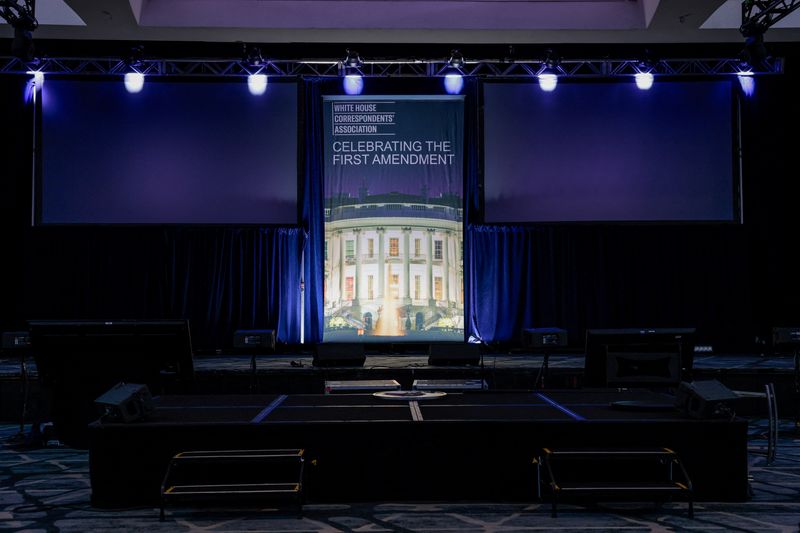
WASHINGTON, April 27 (Reuters) – U.S. officials discussed a designated survivor and the line of succession prior to the White House Correspondents’ Association dinner, White House press secretary Karoline Leavitt said on Monday, after a gunman tried to attack President Donald Trump and administration officials at the event.

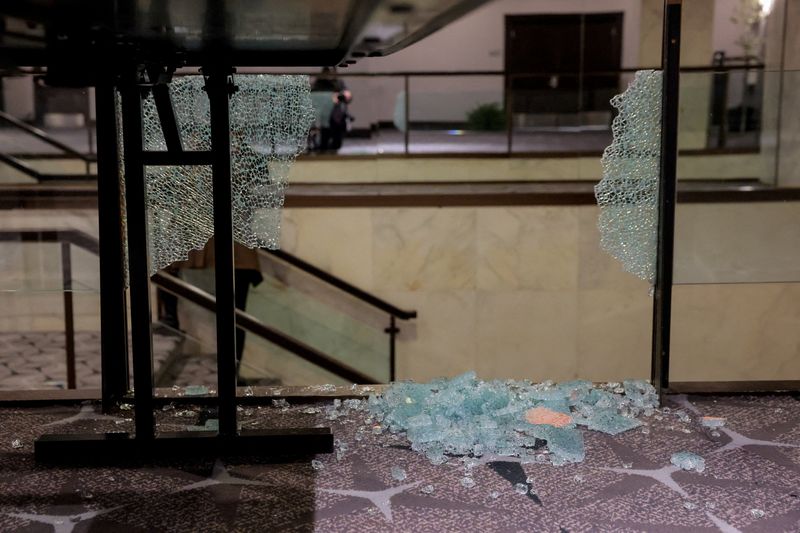
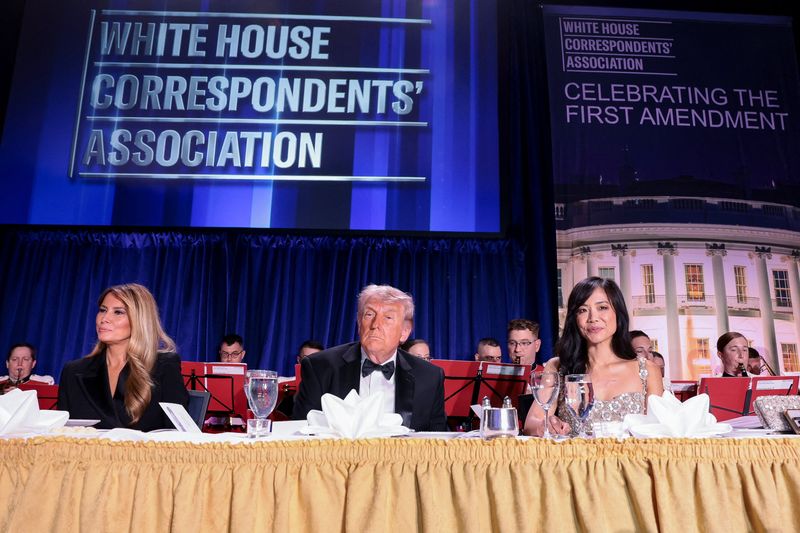
The shooting on Saturday rattled the press dinner, a prominent event on Washington’s social calendar, sending attendees scrambling under tables and prompting law enforcement to whisk senior officials out of the room. Trump, who was set to deliver remarks later in the evening, was rushed off the stage by security personnel after shots were fired.
Alongside Trump, Vice President JD Vance, House Speaker Mike Johnson, U.S. Secretary of State Marco Rubio, Treasury Secretary Scott Bessent and Defense Secretary Pete Hegseth – all of whom are in the line of succession – were present at the dinner.
One exception was Republican U.S. Senator Chuck Grassley of Iowa, who is officially the president pro tempore of the Senate — a position also in the line of succession and filled by the highest-ranking senator and the most senior member of the majority party. Grassley did not attend the dinner.
The chaotic events at the black-tie gala, which fueled concerns about the security of top U.S. officials, many of whom were gathered in the hotel’s expansive ballroom, raised questions about whether a designated survivor had been identified.
Speaking to reporters at a White House briefing on Monday, Leavitt said the topic had been discussed prior to the dinner.
“Those conversations ahead of the WHCA dinner did take place, but there were several members of the Cabinet in the line of succession who did not attend for various personal reasons. So designating one survivor was not necessary as we have several members who were not there already,” Leavitt said.
The term designated survivor refers to a member of the president’s Cabinet specifically identified to skip a major event, such as the State of the Union address, and stay at an undisclosed location to ensure continuity of the government if a catastrophe kills the president and other high-ranking officials.
(Reporting by Jacob Bogage and Humeyra Pamuk; Editing by Michelle Nichols and Bill Berkrot)