

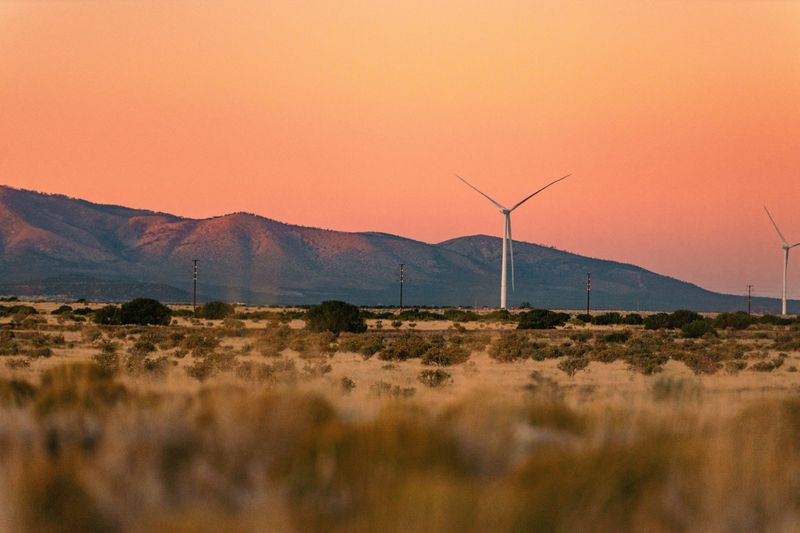
June 18 (Reuters) – The biggest ever U.S. clean energy infrastructure project, an $11 billion wind farm and transmission line in New Mexico, is fully operational after nearly two decades of permitting and construction, owner Pattern Energy Group said on Thursday.
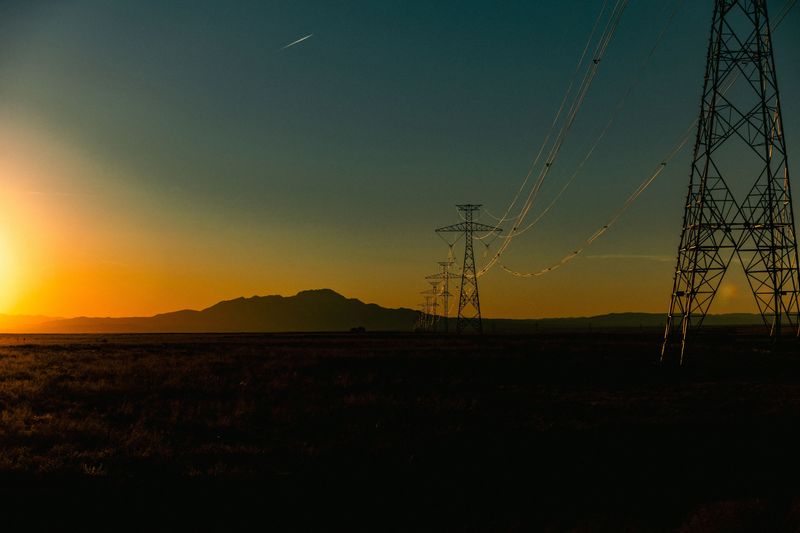
SunZia is a 3,650-megawatt wind farm and 550-mile (885-km) transmission line that will carry power from central New Mexico to south-central Arizona. About two-thirds of the electricity will then be sent west to customers in California.

Its completion comes as the administration of U.S. President Donald Trump has slowed permitting progress on renewable energy projects, particularly wind, and is prioritizing fossil fuel development.
SunZia can serve the annual needs of about 1 million homes and is three times larger than the next two biggest U.S. wind farms, according to the Energy Information Administration.
The project began development in 2008 and underwent years of permitting hurdles before Pattern started construction in 2023.
Pattern said its completion was a milestone for the U.S. power industry, which is experiencing soaring demand that requires both new generation and the wires to deliver electricity where it is needed.
“SunZia proves that we can still build the consequential infrastructure this country needs,” Hunter Armistead, Pattern Energy’s chief executive, said in a statement.
Senator Martin Heinrich, a Democrat from New Mexico, said SunZia was a clear example of the urgent need for federal permitting reform to meet the growing needs of industries, including advanced manufacturing and technology.
“You should be able to get to the right answer in, you know, five, six years, not 17,” Heinrich said in an interview.
(Reporting by Nichola GroomEditing by Rod Nickel)
By Reuters | Reuters | © Copyright Thomson Reuters 2026.
