There are many types of cars out there, but none affected American car culture quite like the muscle car. The big and powerful engines, the wide stances, the roaring exhaust. Those attributes made a statement decades ago that is still with us today. How did these cars come to be and what makes them so special?
The origins of the muscle car

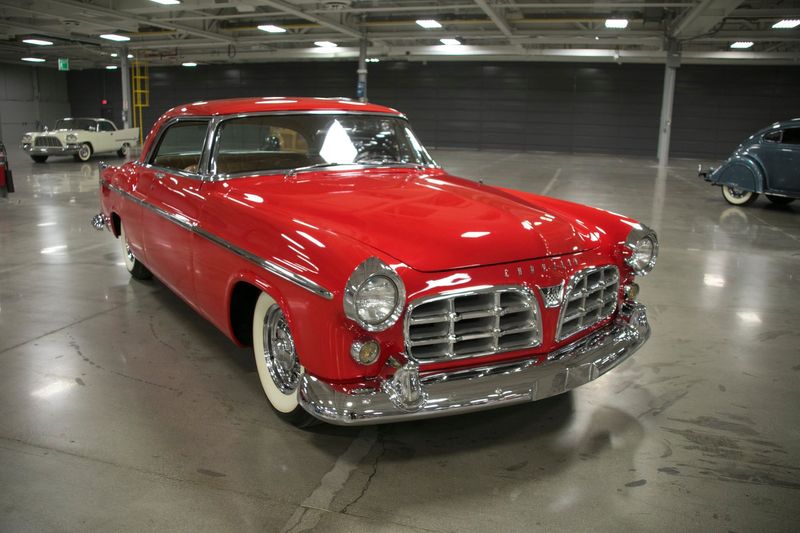
So what was the original muscle car? It’s an ongoing debate. Some might say the 1949 Oldsmobile Rocket is the original. The 1955 Chrysler 300 is viewed by some as the original muscle car. You may even find people crediting the 1964 Pontiac GTO. Regardless of which vehicle you choose, they all have something in common: They have powerful engines and they are American-made.
What makes them stand out?
Since the beginning of the muscle car lineage, the cars in this group have always kept the same philosophy. They are big, with lots of horsepower and are mostly meant for straight-line speed. Many of them have wide stances from the factory and some get OEM or aftermarket widebody kits added to them.
Brand Rosenbusch, a manager of historical services at Stellantis, spoke to the Detroit Free Press in an interview about what makes a muscle car. “My definition of a muscle car is typically a midsized vehicle. It’s all about putting the power to the road and acceleration. Born of drag racing and street performance.”
Another defining factor, the sound. Whether they are being fired up with a cold start, just sitting in idle or cruising through traffic, you will know they are there. Since the most popular muscle cars have large displacement V8s with an aggressive exhaust note to match, they are always making a ruckus while on the road.
Affordable horsepower
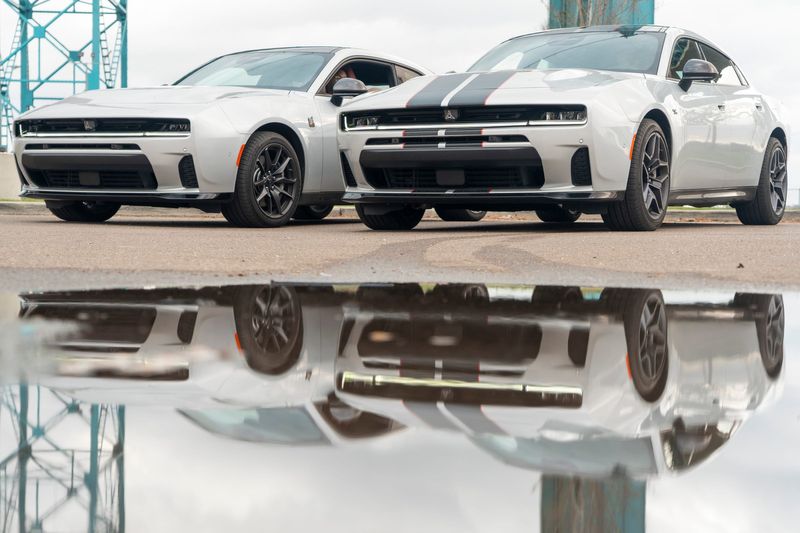
One of the biggest selling points of muscle cars is the price point. Back when the Dodge Hellcat was first released in 2015, it came with 707 horsepower and a base price in the $60,000-$65,000 range. At that time, the only other vehicles that came with that much power from the factory were from exotic car brands that cost as much as a house.
Horsepower per dollar was a major selling point for muscle cars. Some muscle cars can catch higher-end cars in speed, as long as it’s in a straight line.
The heyday of the muscle car
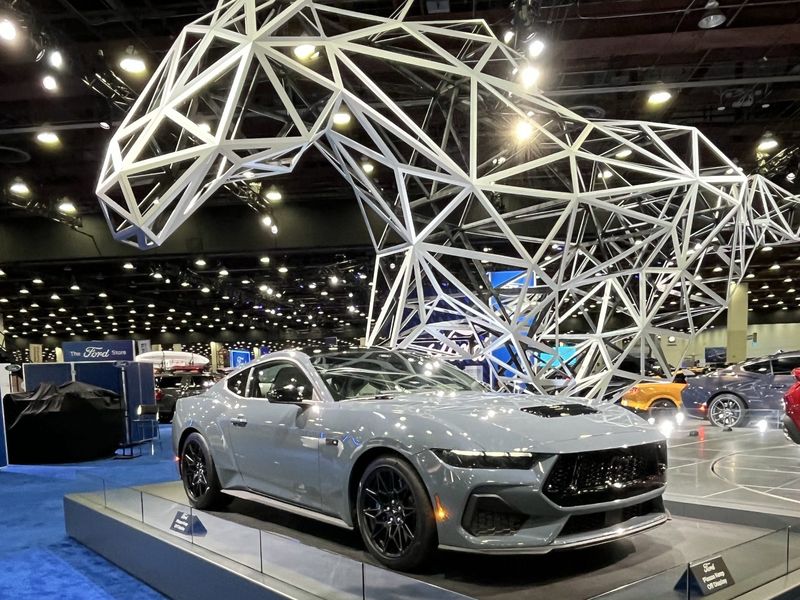
Another talking point car enthusiasts can debate for hours is the muscle car’s heyday. The cars that came out in a specific era and the age of the people in the debate can tell a lot about the vehicles they prefer. The current era of muscle cars offers limited options, as the Ford Mustang and Dodge Charger are the only models remaining. The cars also have gotten more expensive..
Over the past decade we had a horsepower war among the Detroit Three automakers. Dodge Hellcats have 707 horsepower from the factory with some trims reaching up to 807. The Mustang Shelby GT500 and Chevrolet Camaro ZL1 were also powerful vehicles, but could also handle very well for their size. All were made with supercharged V8s with roaring exhaust notes that could be heard from blocks away paired with a distinct whine from the supercharger.
But the classic horsepower war from the 1960s and ’70s was another great era for muscle cars. With each major American manufacturer offering multiple models to choose, there was enough horsepower to go around. Not only did Chevy, Dodge and Chrysler have a few muscle cars for sale, but smaller brands made waves, too, like AMC with the Javelin. With over a dozen muscle cars to choose from in this era, the price is what made them a staple for the average car fanatic.
Modern American muscle
Robert Kennedy, author of the book “Mustang Unbridled,” spoke with the Detroit Free Press about how muscle cars of old compare to the modern options we have now.
“Today’s base models, the Eco Boost Mustang, with its little 2.3-liter turbo four, is putting out more horsepower than what we had back in the day. The V8 models in the early 2000s had much more torque than we had on our V8s in the ’80s and ’90s. So, you’re kind of getting the best of all those worlds, but we’re talking the low- to mid-$30,000 range for that entry model. If you do the math to convert for inflation, the $2,368 price tag of the original Mustang, in spring of 1964, comes out to be about $20,000 now.”
From the original 1964 Mustang’s price of $2,368 to today’s brand-new base model at $32,640 is a leap in price. The cheapest V8 model offered today begins at $46,450 and higher for the faster trims. The Mustang GTD, based on the Mustang GT3 racecar, has a price around $400,000.
While it’s obvious that you have to pay more to go faster, in today’s world muscle cars seem to be an option mostly for enthusiasts instead of the regular folks who drove them in years past.
Keenan Thompson is a car culture reporter for the Detroit Free Press. Contact Keenan at kthompson@freepress.com. Follow him on Instagram at @keenanautos. To sign up for our autos newsletter. Become a subscriber.
This article originally appeared on Detroit Free Press: Why muscle cars are so important to American car culture
Reporting by Keenan Thompson, Detroit Free Press / Detroit Free Press
USA TODAY Network via Reuters Connect