

St. Clair County voters will decide Aug. 4 whether to renew the county’s senior services millage, a funding source supporters say has helped older adults remain independent for nearly five decades.
The proposal seeks to renew the Senior Citizens’ Millage for four years, from 2026 through 2029. The levy would remain at 0.8 mills but is currently reduced to 0.7971 mills due to required Headlee Amendment rollbacks, which lower local tax rates as property values increase.

A mill represents $1 for every $1,000 of taxable value. At 0.7971 mills, the levy would cost about $79.71 annually for a home with a taxable value of $100,000. If approved, the millage is expected to generate approximately $6.9 million in its first year.
The funding supports a network of 12 agencies and 28 programs providing services such as transportation, home-delivered meals, legal assistance, hearing services and emergency housing support.
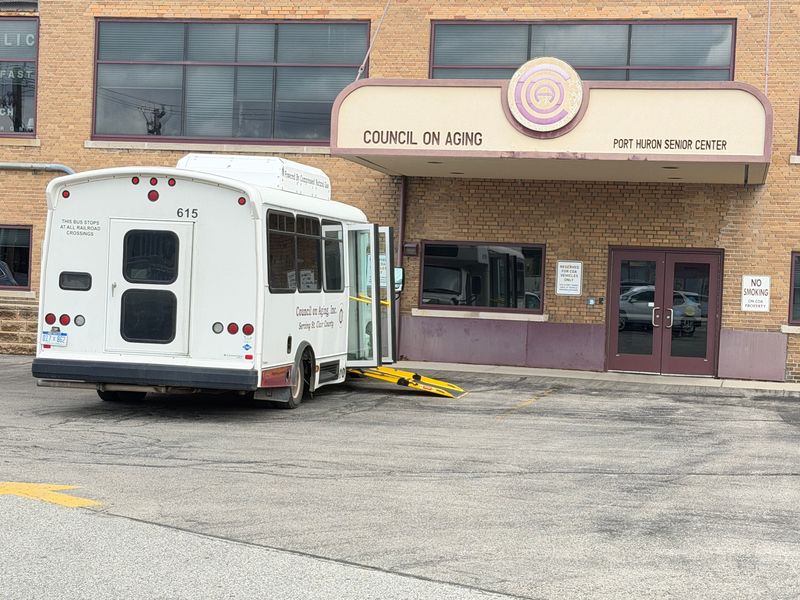
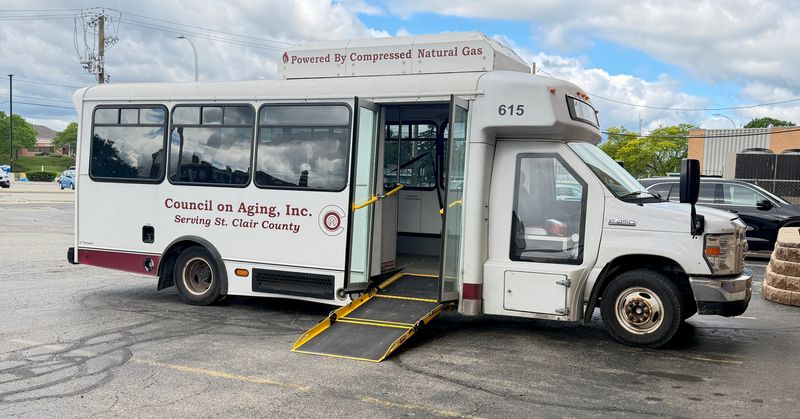
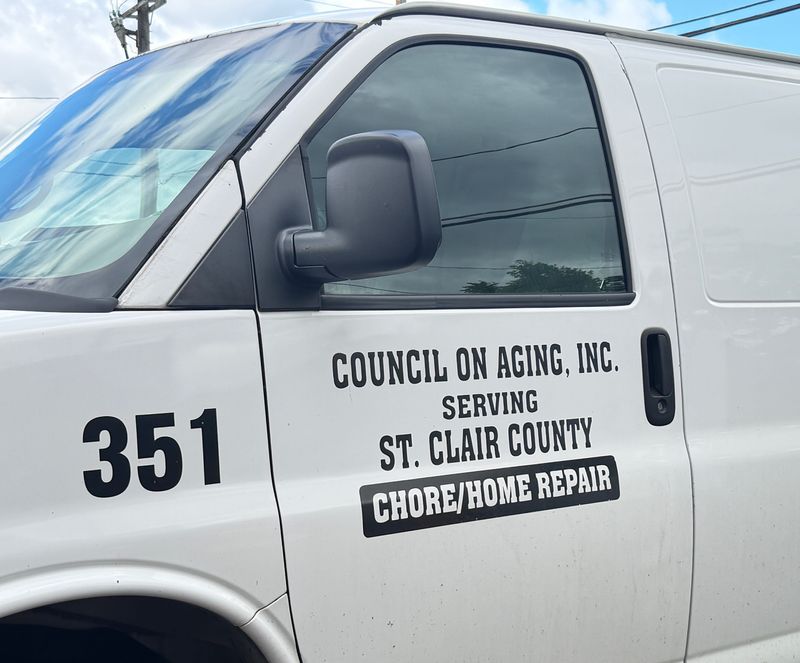
Scott Crawford, executive director of Council on Aging, Inc., Serving St. Clair County, said the county was the first in Michigan to establish a dedicated senior services millage.
Voters first approved the millage in 1979 at 0.4 mills. It was increased to 0.5 mills in 1986 and later to 0.8 mills in 2012. The measure has been renewed continuously since its inception.
Crawford said the funding has created a network of services not always available elsewhere.
“There’s other counties in the state that maybe if you needed home-delivered meals, you’re on a waiting list because the federal and state funds don’t provide enough resources,” Crawford said. “It just provides a great network of services for seniors that aren’t available in other counties.”
Demand is expected to grow as the county’s population ages.
“St. Clair County is aging faster than the rest of the state and the nation,” Crawford said. “By 2030, we’re projected to have one in three residents over the age of 60.”
According to the 2025 Senior Citizens’ Millage annual report, the program served about 12,000 seniors through 28 programs last year, delivering more than 1.1 million services. That included nearly 240,000 home-delivered meals, more than 52,000 transportation rides and about 2,500 days or nights of care.
Services funded through the millage include transportation, nutrition programs, in-home support, legal services, hearing and vision assistance, housing support, hospice care and social engagement programs.
The 2025 budget allocated approximately $4.8 million to programs operated through the Council on Aging.
Additional funding supports services provided by organizations including the Visiting Nurse Association, Lakeshore Legal Aid, Catholic Charities of Southeast Michigan, Blue Water Safe Horizons and housing-related agencies.
Crawford said transportation is one of the most critical services as residents age.
“Studies show adults typically outlive their ability to drive by about seven to 10 years,” Crawford said. “We’re going to have thousands of people transitioning from being a driver to a passenger.”
The county’s transportation network helps seniors attend medical appointments, including life-sustaining treatments such as dialysis.
Home-delivered meal programs also serve as a critical safety check.
“It’s not uncommon for us to find somebody that’s fallen,” Crawford said. “They know they’re going to be okay because their nutrition driver isn’t going to leave until they see them.”
Crawford added that senior centers funded in part by the millage help combat social isolation, which can have significant health impacts.
“Getting out and getting involved in the community — it’s such a dramatic improvement for health,” Crawford said.
While the county maintains a reserve fund, Crawford said losing the millage would eventually lead to major service reductions.
“The Council on Aging wouldn’t exist the way it does without that funding,” Crawford said. “We wouldn’t be able to do what we do.”
With a growing senior population, he said continued funding is critical.
“I never take it for granted that it passes,” Crawford said. “But with this ‘silver tsunami,’ if we don’t have this millage, there’s going to be a lot of seniors going without.”
Crawford said St. Clair County has long prioritized its older residents.
“We’re a rapidly aging community that has always taken care of its seniors,” Crawford said. “We hope that continues.”
The senior services measure is one of three countywide proposals on the Aug. 4 ballot. Voters will also consider renewing the county ambulance services millage and the St. Clair County Community College District millage, known as the SC4 millage.
Contact reporter Andy Jeffrey at ajeffrey@usatodayco.com.
This article originally appeared on Port Huron Times Herald: St. Clair County voters to decide senior millage renewal Aug. 4
Reporting by Andy Jeffrey, Port Huron Times Herald / Port Huron Times Herald
USA TODAY Network via Reuters Connect


By Andy Jeffrey, Port Huron Times Herald | USA TODAY Network
