On any given day in Roseville Community Schools, an elementary school might have 150 kids in it.
One kindergarten classroom in the district may have just 14 students, while the same class across town has 31 kids.

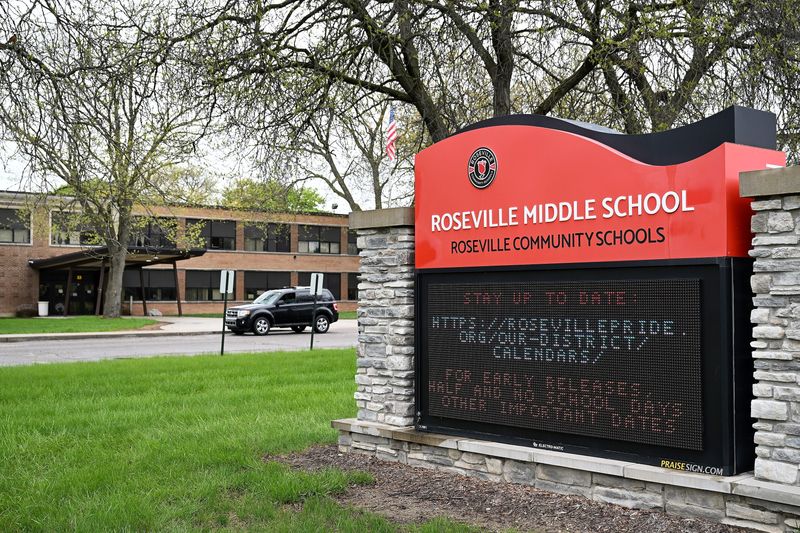
Eliminating such inefficiencies, due to both declining enrollment and aging infrastructure, is behind the district’s first major bond request since before the COVID-19 pandemic.
On the Tuesday, May 5 ballot, Roseville is asking voters to approve $175 million in funding. It would not increase the millage rate, which means the property tax rate would remain the same because the request would be offset by retiring debt.
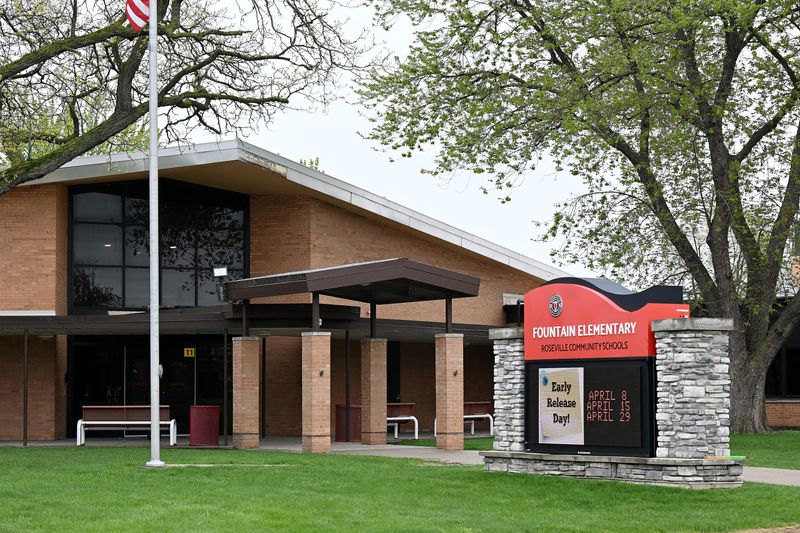
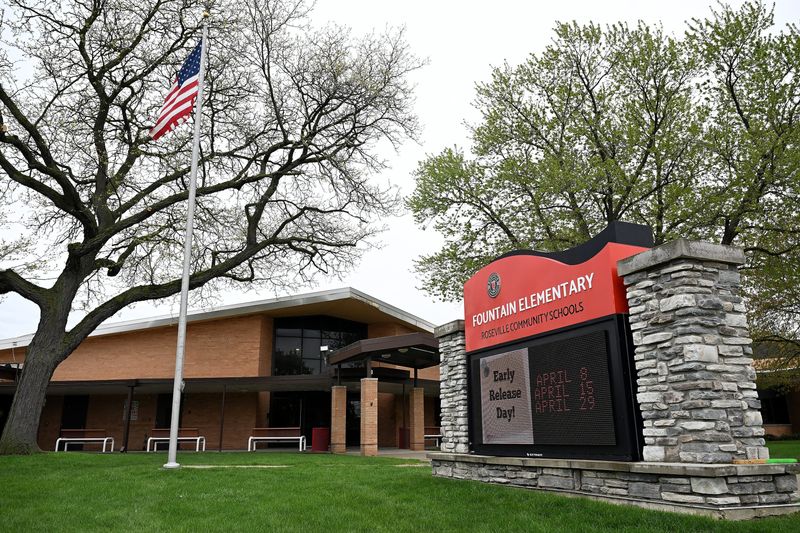
Superintendent Mark Blaszkowski said it was time for the district to downsize, and has presented his community with a plan to go from 11 total buildings, including 10 schools and the administration building, to eight.
“I have to balance the budget, and this is a responsible and proactive way to do this, to make our district better but also way more efficient than what we’re trying to do right now,” Blaszkowski said.
The Macomb County district’s ballot request is one of a handful of asks from districts on Tuesday across Metro Detroit.
Roseville’s average millage that will be required to retire each series of bonds is estimated at 7.64 mills annually, for a cost of $7.64 per $1,000 of taxable home value.
Blaszkowski noted that bond issues are the only way for Michigan districts to raise or receive money specifically for capital improvements.
“We’re really strapped, and the only way we can continue to provide programs for kids and facilities that are worthy for our kids is, we have to ask,” he said. “It’s how our system works in Michigan.”
With that money, Blaszkowski said the district plans to build a new elementary school that would allow the district to close one school and turn another into an early childhood center. He also expects major renovations to existing buildings, including roof replacements, central HVAC and security upgrades. About $700,000 is set aside just to purchase new instruments for the band.
“I want to try to provide as many instruments as possible for any kid that wants to, because it’s very expensive to rent to own,” Blaszkowski said. “I don’t want any kind to not be able to take band because they can’t afford it.”
Roseville, he said, is facing what many districts across Michigan are with the loss of student population, which results in both lower state aid funding and less efficient schools. The district’s high school enrollment alone is expected to drop by about 500 students between 2018 and 2029.
Blaszkowski said the district is still capturing the same percentage of students living within its boundaries.
“It’s just the kids aren’t out there,” he said. “So we have to right-size.”
Other education issues on the May 5 ballot
In Wayne and Monroe counties, the Huron School District is asking for a $68.8 million bond for permanent improvements, including security upgrades, constructing a new school support facility, upgrading athletic facilities and playgrounds. and acquiring additional technology.
The estimated average annual millage anticipated for the 30-year bond is 3.63 mills, or $3.63 on each $1,000 of taxable valuation.
The Monroe Intermediate School District is asking for a renewal of its regional enhancement millage, which allows the ISD to raise more money on behalf of all the public schools within its purview. Without approval, the enhancement millage would expire this year.
The ISD collects the money and distributes it equally based on student population. The less than 1-mill levy would cost homeowners $0.9866 on each $1,000 of taxable valuation for five years until 2031. The renewal would generate an estimated $7.6 million for districts next year, money that can be spent on any district need, unlike bond money, which can only be spent on permanent improvement projects.
In Oakland County, the Avondale School District is proposing to restore its nonhomestead operating millage to 18 mills, the maximum allowed under state law. Individual school districts, however, can’t ask for a levy on primary residences, limiting the amount of dollars a ballot issue can raise.
The proposal would authorize the district to levy the limit of 18 mills on all property except primary residences and any other property exempt by law, in the event of any rollbacks, up to 3 mills.
Avondale is also seeking to levy a 1-mill building and site sinking fund millage for 10 years to make improvements and repairs to facilities, as well as upgrading technology and transportation.
Grand Blanc Community Schools, in Genesee and Oakland counties, is seeking approval of a plan for $149 million in bonds. The money would pay for a new performing arts center addition to the Grand Blanc High School’s East Campus and an early childhood center addition to the Perry Center, as well as classroom additions to replace temporary modular buildings currently in use.
The money would also be used for other building renovations and security and technology upgrades.
The 25-year bonds would not increase the millage rate, which is expected to be at 6.3 mills or below.
The estimated average annual millage that will be required for the bonds is 2.95 mills, at an annual cost of $2.95 per $1,000 of taxable value.
In Macomb County, Eastpoint Community Schools is seeking an operating millage replacement approval, which would extend the district’s authority to levy the limit of 18 mills on all nonhomestead property ahead of any potential rollbacks, for up to 4 mills. The current levy expires in 2028.
Richmond Community Schools, in both Macomb and St. Clair counties, has a bond issue request for $51.8 million on the ballot.
The money would be used for building and equipping school building additions, remodeling and improving technology and playground sites.
The 20-year bond is estimated to require 3.81 mills over the life of the bond, costing $3.81 on each $1,000 of taxable valuation.
jpignolet@detroitnews.com
This article originally appeared on The Detroit News: Roseville’s $175M bond plan among school proposals on May 5 ballots
Reporting by Jennifer Pignolet, The Detroit News / The Detroit News
USA TODAY Network via Reuters Connect