Van Buren Township — A proposed hyperscale data center in Van Buren Township is inching closer to reality after planning officials approved a preliminary site plan earlier this month, despite concerns from some residents about how it may impact utilities and property values.
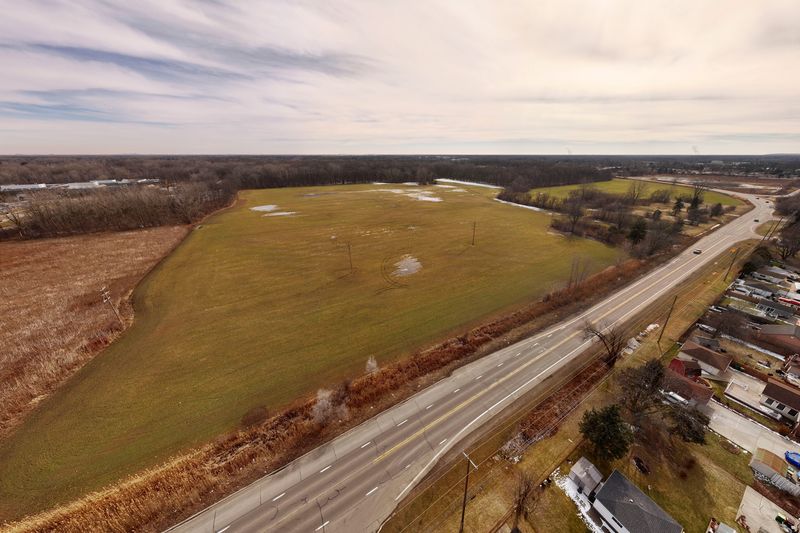
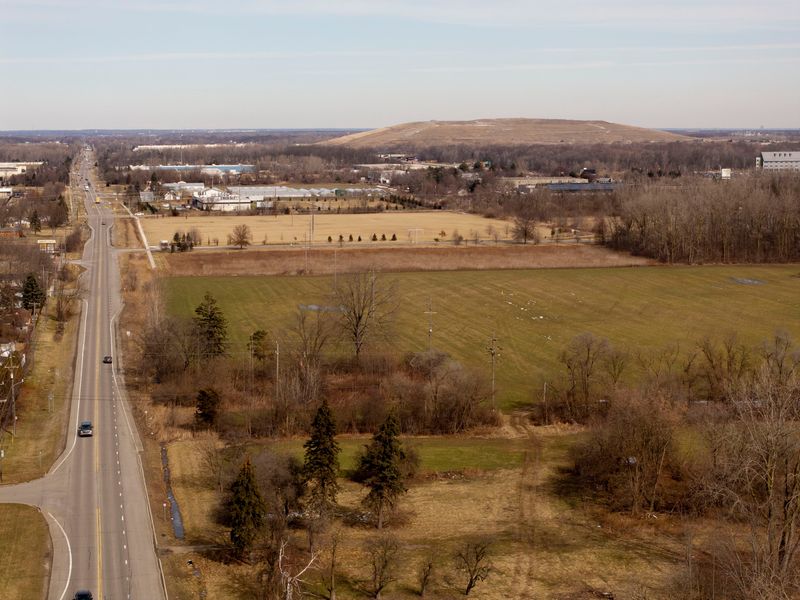
The proposed center would be built on 282 acres east of Haggerty Road and north of the I-94 North Service Drive. It’s projected to use between 2 million and 3.6 million gallons of water per day and one gigawatt of power.

Though the proposal, known as “Project Cannoli,” has to go through several more steps at the local and state levels before construction could actually start, Adam Kramer, a partner in Panattoni’s data center group, said the company hopes to put shovels in the ground by the end of the year. Van Buren Township’s planning commission voted 5-2 at its Feb. 11 meeting to approve a preliminary plan submitted by developer Panattoni. Panattoni hasn’t disclosed who the owner of the data center is.
He said he believes the development will create jobs and have an economic benefit for the township, given that it’ll be a healthy source of tax revenue for the community even with tax incentives for the project.
“So you’re getting this financial upside, and you’re getting this minimal impact to go with it. And so it’s a net benefit to the community,” Kramer said.
But not everyone buys that Project Cannoli will benefit Van Buren Township. At a Jan. 14 planning commission meeting, more than a dozen people, including many residents, spoke against the project. They raised concerns about noise pollution, utility costs, water use, wildlife impacts and property values.
Sharon Courter has lived in Van Buren Township since 1960 and her home is less than two miles from a landfill. She doesn’t feel residents or government officials ultimately have a say in the industrial projects that come into communities.
“Things that are being done that we have no control over, ever,” said Courter, 83.
Other approvals, permits required
Data centers are energy- and frequently water-gobbling facilities that power the internet. In the race among tech companies to advance artificial intelligence tools, they are scrambling to build huge versions powerful enough to propel the technologies, known as “hyperscale” data centers.
Even though Project Cannoli has already been approved by the Van Buren Township planning commission, it has several more regulatory layers to get through before it can actually go into construction, said Municipal Services Director Ron Akers. The township board of trustees will have to approve a development agreement, though no date has been set for that, and permits will be required from Wayne County for soil erosion and sedimentation control. The Department of Energy, Great Lakes and Environment will also have to issue a permit for mitigating wetland impacts.
The proposal falls under “use by right” in the state’s zoning law, which means the planning commission has an obligation to approve the site plan if it complies with the township’s zoning ordinance. Akers said that means the commissioners weren’t voting based on their personal opinions about whether the community should have the data center.
“The planning commission’s job is to review the site plan application and make a determination about whether it meets the the standards in our zoning ordinance for all the different things we regulate, like light or setbacks, building heights, those type of things,” Akers said.
“There’s not as much flexibility in some of the processes that I believe people think there are.”
Erika Rosebrook, the director of MSU Extension’s Center for Local Government Finance and Policy, added that approving projects like the Van Buren Township data center involve a web of state and local regulatory agencies, and the complexity can be esoteric to understand. That can lead to residents feeling like their governments aren’t aren’t listening to their concerns and answering their questions, she said.
“The choices for the government might actually be limited by that point. So that’s part of why you see, in some of these high-profile cases, everybody walking away a little bit frustrated,” said Rosebrook.
Since Michigan lawmakers approved a tax incentive for data center developments in 2024, developers have proposed at least 17 projects in the state. Backlash from communities has stalled some projects and at least five communities have issued moratoriums in the last two months on data center developments.
First hyperscale center in Michigan
A hyperscale data center under construction in Saline Township is the first major project to break ground in Michigan.
When it approved DTE’s request to service the hyperscale data center under development in Saline Township in December, the Michigan Public Service Commission ordered DTE to develop a standard tariff, or contract, for “very large load customers” such as data centers, which use far more energy than typical manufacturers.
Erik Nordman, the director of MSU’s Institute of Public Utilities, said DTE Energy has been negotiating special contracts with individual data center owners for their power rates. Consumers Energy, meanwhile, has created a specific rate class for data centers.
“Each of those utilities has taken its own approach to how to handle hooking up these data centers to the electric grid,” Nordman said.
Kramer believes the infrastructure needs for rapidly advancing technologies sparks apprehension about the unknown, which he believes is the source of some opposition to data centers, especially because southeast Michigan hasn’t had the facilities of such a large scale as are being proposed. He noted the ubiquity of data centers in powering everything that happens online, calling them “the brain of the internet.”
“It’s no different than 120 years ago, when first got lights to our houses. Then we electrified washing machines and dishwashers, and then radios and TVs and right? And so we needed more power plants to support that,” Kramer said.
NDAs and data centers
A Detroit News investigation revealed details of data center developments have been shrouded by non-disclosure agreements in at least five Michigan communities, including Van Buren Township. And separately, some Michigan Public Service Commission staff members signed an NDA with DTE Energy that allowed them to see unredacted copies of DTE’s electricity contracts with the tech behemoths behind Saline Township’s massive data center.
A copy of the non-disclosure agreement in Van Buren Township redacted the name of the proposed data center’s owner. The News has appealed the redaction.
The NDAs have sparked their own outcry, and Michigan lawmakers have proposed a bill barring local elected officials from signing non-disclosure agreements related to the construction of data centers. Rosebrook said the use of the agreements raises important questions about the public’s right to transparency in the processes, especially in an era of declining trust in government.
“People want to feel confident that they’re getting good information; that they have access to the same information that their public representatives do. And so I think that’s why the NDAs have become so controversial, is because people are already struggling with trusting their government,” Rosebrook said.
jcardi@detroitnews.com
Staff writer Carol Thompson contributed.
This article originally appeared on The Detroit News: Proposed data center in Van Buren Twp. clears planning commission
Reporting by Julia Cardi, The Detroit News / The Detroit News
USA TODAY Network via Reuters Connect