Born out of the Economic Opportunity Act of 1964, Community Action Agencies have spent more than six decades strengthening individuals, families and communities. What began as a bold national commitment has grown into a network of more than 1,000 local agencies, sustained by dedicated staff, engaged boards and enduring bipartisan support. Community Action’s longevity proves that when we invest in people and local solutions, progress follows.
Across Michigan, 27 Community Action Agencies serve every county, creating pathways to self-sufficiency while bringing everyone to the table. We connect residents to essential services such as utility assistance, housing support and workforce programs, while also investing in early childhood education, financial literacy and asset-building initiatives. This comprehensive approach addresses immediate crises and helps individuals and families build long-term stability. Meaningful change requires coordination, trust and a commitment to walking alongside people as they move toward opportunity and independence.

My service in Community Action spans decades, and I have had the privilege of working alongside leaders across my county, state and the nation. That journey recently led me to attend both the 2026 State of the Union address and Michigan’s State of the State, experiences I will always remember. While the settings differed, the message I took away from both was the same. Progress requires working together.
Leaders from both parties have long understood that Community Action is a practical, results-driven investment. For 60 years, policymakers on both sides of the aisle have recognized that Community Action helps families stabilize during times of crisis while creating clear pathways to employment, education and self-sufficiency. Core Community Action funding has historically received bipartisan support because lawmakers understand its value.
We are not built around partisanship. We are built around people. Our goal is to offer Michiganians a hand up, not a handout, by leveraging targeted interventions that unlock the potential of every individual. We measure outcomes, remain accountable to our communities and continuously adapt to meet emerging needs, whether responding to economic downturns, public health crises or rising living costs.
Community Action demonstrates every day that collaboration is not just possible, it is effective. When people with different perspectives come together at the local level to address complex challenges, real solutions emerge. If our boards can bridge political, economic and geographic divides to lift families, so can those serving in Lansing and Washington.
Division does not move communities forward. Soundbites do not pay the heating bill. Rhetoric does not create jobs. What works is a community-centered model that values many voices, lived experiences and viewpoints, and translates that dialogue into action. Through our tripartite governing structure, local elected officials, business leaders and individuals with lived experience sit at the same table. They collaborate to identify needs, solve problems and provide stability while treating people with dignity and respect.
Community Action is one part of a larger system that helps ensure this country remains a place of opportunity and hope. That system only succeeds when people are engaged, informed and committed to lifting up voices that are too often overlooked. Strong communities depend on partnerships between government, nonprofit organizations, businesses and residents themselves.
We all share a responsibility to leave our communities and our country better than we found them. Getting involved at any level matters. When we choose cooperation over conflict and solutions over soundbites, we create the conditions for lasting progress for everyone.
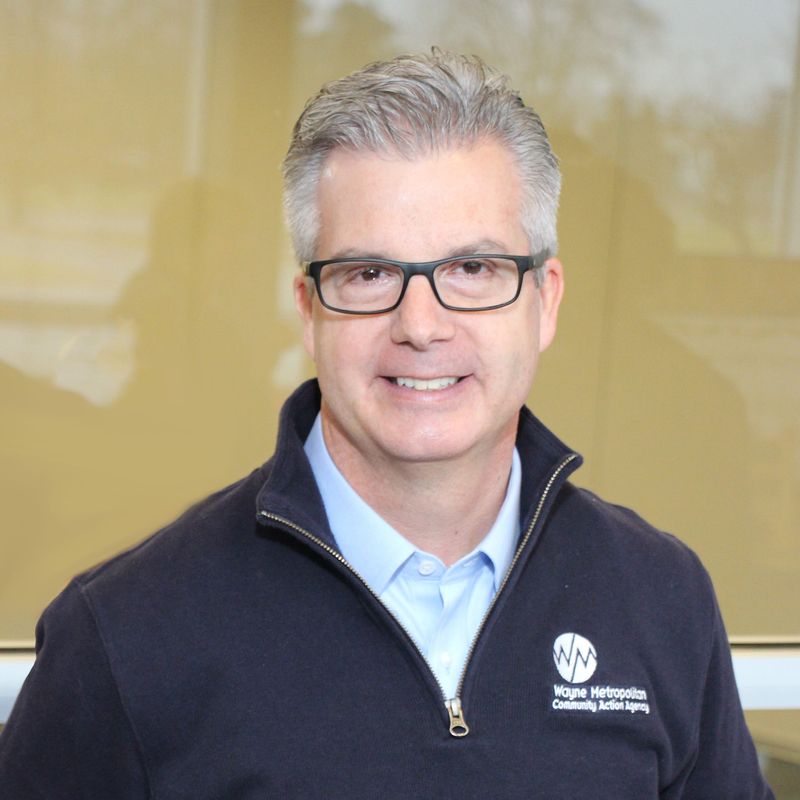
Louis D. Piszker is CEO of Wayne Metro Community Action Agency.
This article originally appeared on The Detroit News: Piszker: Progress requires working together
Reporting by Louis Piszker / The Detroit News
USA TODAY Network via Reuters Connect