Detroit — Since Trajan Langdon became president of basketball operations in 2024, the Detroit Pistons have been quite discreet about their plans. However, regarding the 2026 NBA Draft, Langdon expressed a willingness to trade assets to move up from the No. 21 pick to acquire one of their most desired prospects.
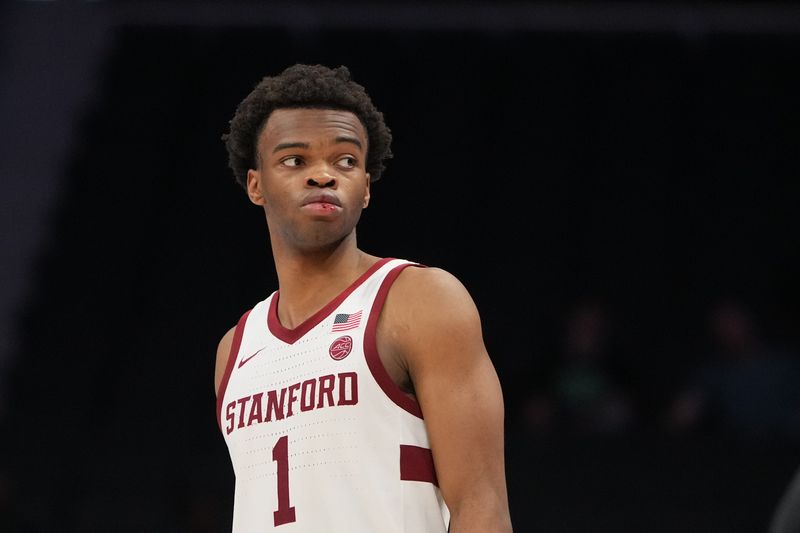
On Tuesday night, during the first round of the draft, the Pistons traded three second-round picks to the Memphis Grizzlies to move up to No. 17, where they selected Stanford guard Ebuka Okorie. The selection of Okorie in the draft marks the first of several moves the Pistons will make this offseason as they look to build upon their 60-win season and second-round NBA playoff appearance following the 2025-26 campaign.

“We wanted to go get the guy that we wanted,” Langdon said. “He is a guy that we targeted throughout this process. I watched a lot of film on him, and throughout the second half of the season, he was a guy we liked. He fits what we are trying to do here, in terms of playing faster, having another guy who can handle the ball not only to score, but create for the guys who are on the floor with him.”
Here are five takeaways from the Pistons’ draft selection of Okorie:
A high-volume scorer
One of the things the Pistons needed to address this summer was adding another high-volume scorer to the roster. Aside from Cade Cunningham — and occasionally Daniss Jenkins — Detroit lacks a guard who can create scoring opportunities for himself in coach J.B. Bickerstaff’s primary rotation. In Okorie, the Pistons obtained one of the best scoring guards in this year’s draft class.
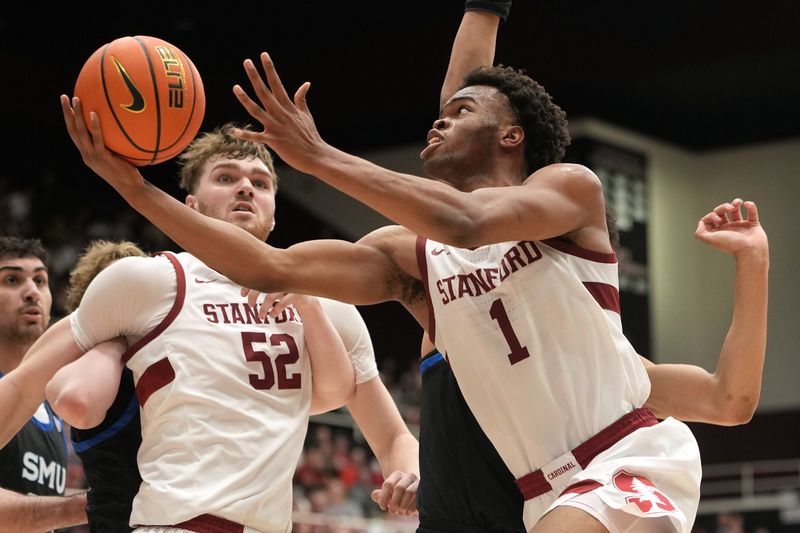
Okorie led the ACC in scoring as a freshman, averaging 23.2 points per game on 46.5% shooting from the field. He ranked third among all freshmen in scoring, trailing only AJ Dybantsa (25.5 PPG) and former Detroit Cass Tech standout Darius Acuff Jr. (23.5 PPG). Okorie also totaled 719 points last season, the second-most in Stanford’s history for a freshman and the third-most overall in a single season.
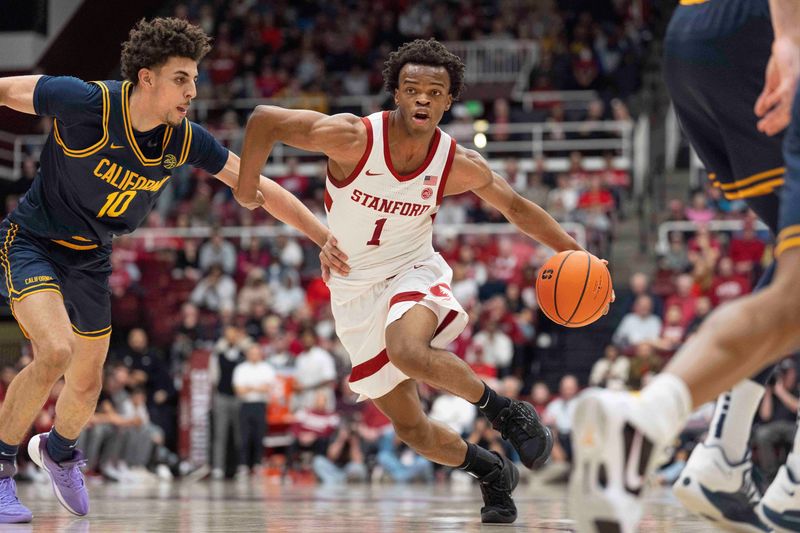
While Okorie is a respectable shooter, his best scoring traits stem from his crafty finishes around the rim and his ability to drive downhill. His aggressive scoring also gives him the ability to get to the foul line, where he shot 83.2% on an average of 7.3 attempts per game.
Okorie delivered his best performance during Stanford’s 95-72 victory against Georgia Tech on Feb. 7, scoring a career-high 40 points. He shot 12-for-21 from the field and made all 13 of his free-throw attempts. Throughout his time at Stanford, Okorie scored 20 or more points in 19 of the 31 games he played.
An underrated playmaker
As a score-first point guard, Okorie’s playmaking ability is often overlooked. He has demonstrated the potential to be a reliable playmaker, averaging 3.6 assists per game. Okorie fell short in recording double-digit assists last season. He recorded five or more assists in only nine games. His career-high came during Stanford’s 95-90 victory over North Carolina, when he had nine.
However, Okorie’s low assist numbers are largely attributable to the Cardinal not having the right players around him to consistently showcase his skills. With the ball in his hands, one reason he can serve as a secondary playmaker is his scoring threat, which creates opportunities for his teammates through the gravity he generates.
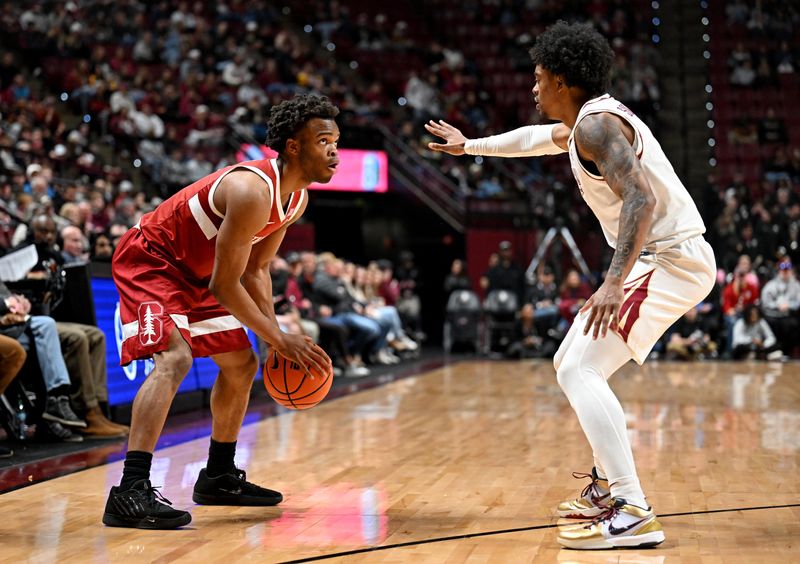
His athleticism as a speedy guard also contributes to his effectiveness as a playmaker, allowing him to push the pace of the game. In the half-court, Okorie demonstrates the intelligence needed to keep the Pistons’ offense running smoothly and can serve as the primary facilitator and hub for the second unit when given the opportunity.
An elite guard when it comes to ball security
Okorie’s scoring ability often has overshadowed other facets of his game. One of his most overlooked attributes is his ability to protect the ball. As a starting guard with a 31.0% usage rate, Okorie was among the best players in the nation in ball security, averaging only 1.9 turnovers per game. He had just nine games in which he committed three or more turnovers last season.
Ball security is a primary reason the Pistons needed to add another ball-handler, as turnovers have been detrimental to their success over the previous two seasons, especially in the playoffs, where they averaged 16.0 giveaways per game. Cunningham faced significant challenges with ball handling during this postseason run, averaging a league-high 5.6 turnovers per game.
With Okorie joining the team, the Pistons acquire another guard who can help take Cunningham and even Jenkins off the ball, reducing their playmaking responsibilities and improving the team’s overall ball security.
Development is most important in Year 1
For those who believe Okorie will start alongside Cunningham on opening night next season, it’s time to reconsider. Okorie’s arrival will not prevent the Pistons from pursuing a player who can help them compete effectively in the Eastern Conference through free agency and trade this summer.
Okorie will have a positive impact as a rookie next season, given the opportunity. However, the Pistons are confident that their development team will help him reach his potential over time. Finding a player with greater future potential was one of the key goals Langdon set for the draft.
One of Okorie’s primary goals in his first season will be improving his physique to succeed at the NBA level. At 19 years old, he is entering the league as a 6-foot-1 guard who may struggle early in his career due to limited strength. This is particularly important for a player who relies heavily on attacking the basket to score.
The Pistons believe they can develop a plan to help Okorie build the strength necessary to be productive in the league. In addition, the team is also confident that their development staff will work with Okorie to improve his 3-point shooting. During his only season at Stanford, Okorie shot 35.4% from beyond the arc, averaging two made 3-point field goals per game.
What’s next for Sasser?
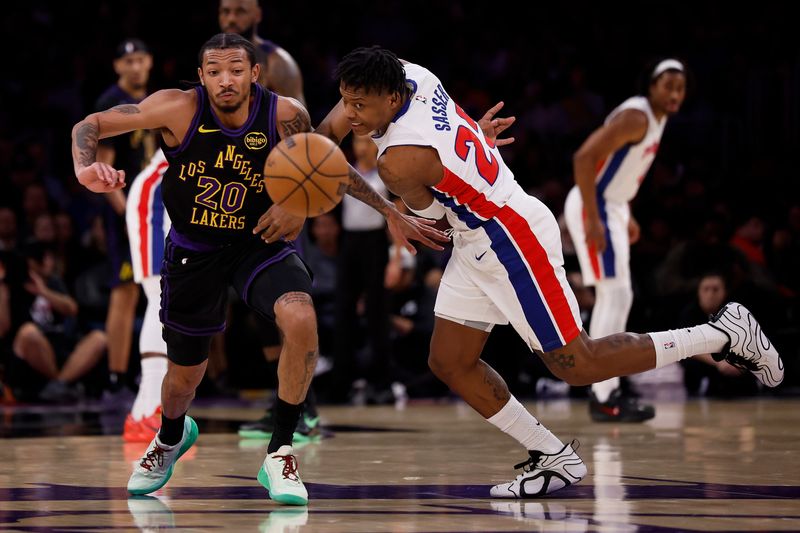
With the draft acquisition of Okorie, the Pistons now have two undersized combo guards on their roster, the other being Marcus Sasser. Langdon mentioned having two players with similar skill sets can benefit the team’s roster. However, Okorie’s addition has raised questions about Sasser’s future in Detroit.
Sasser is entering the final year of his rookie contract, which pays $5.1 million next season. Aside from his first season, he has struggled to find a consistent role in Bickerstaff’s rotation. As a young guard full of potential, Sasser could be an asset while Langdon and his staff continue exploring the trade market as they work to revamp the roster. In the 13 games where he played 15 or more minutes last season, Sasser averaged 10.3 points on 44.6% 3-point shooting.
A hip injury sustained during training camp hindered his chances of establishing a significant role last season, causing him to miss 23 games. By the time he returned in early December, Sasser’s opportunity to secure a consistent spot in Bickerstaff’s rotation had diminished due to the emergence of Daniss Jenkins.
coty.davis@detroitnews.com
@cotydavis_24
This article originally appeared on The Detroit News: Pistons take Ebuka Okorie at No. 17 in NBA Draft. Here are 5 takeaways
Reporting by Coty M. Davis, The Detroit News / The Detroit News
USA TODAY Network via Reuters Connect
By Coty M. Davis, The Detroit News | USA TODAY Network