Michigan residents are already discovering tasty morel mushrooms this spring, but if you’re heading out to search make sure you carefully identify each mushroom you collect because true morels grow among look-a-likes that may be poisonous enough to kill a person.
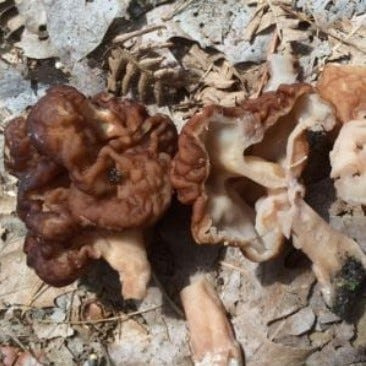
False morels — the Verpa bohemica, Verpa concica and Gyromitra species — are nonedible mushrooms that look similar to true morels, the favored fungus everyone is hunting for this time of year, according to the Michigan’s Department of Natural Resources morel mushroom identification webpage.

There are several clues that allow observant mushroom hunters to differentiate between true and false morels based on shape, texture and color.
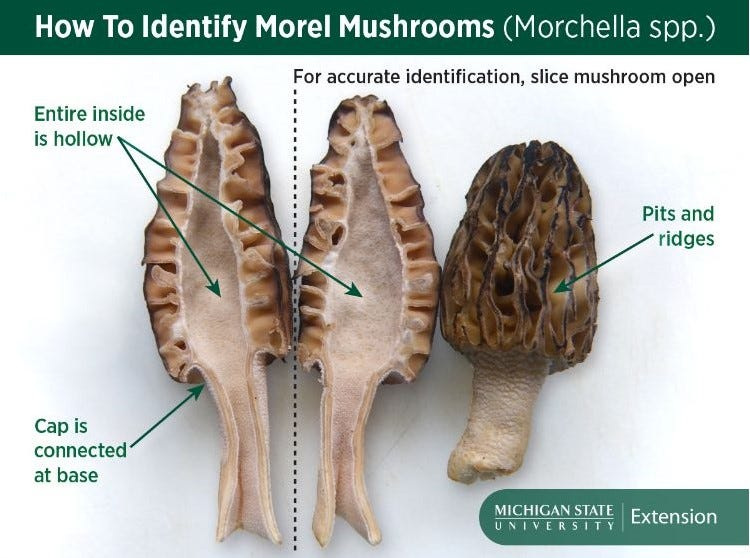
“The easiest way to differentiate the false morels (verpa species) from the true morels (morchella) is to check to see if the cap connects to the stalk. Free-hanging varieties should not be eaten,” the DNR said.
Michigan is also home to 50 mushrooms species known to be toxic to humans among the 2,500 species that grow in the state, according to the Michigan State University Extension.
The bottom-line: “If you have any doubts, don’t eat it,” MSU warns mushroom hunters.
Here’s how to ID true and false morels including some predominantly poisonous species in Michigan:
How to ID a true morel mushroom
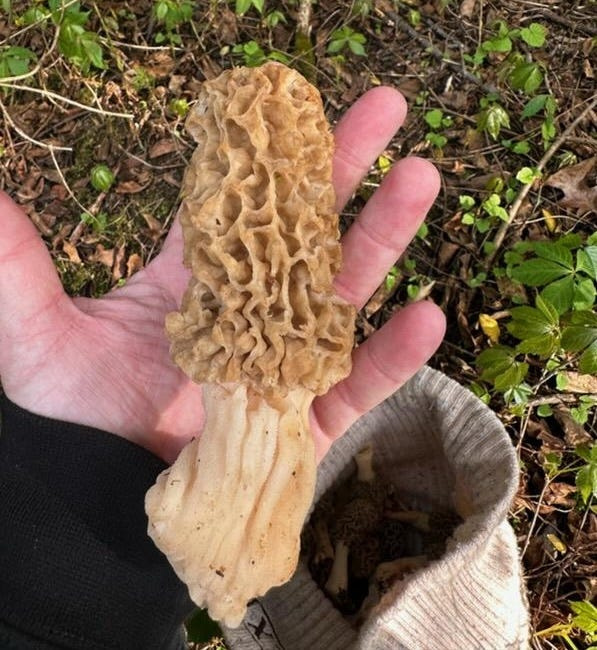
True morels all have one feature in common that make them stand out from other species. True morels all have small holes in their caps and are hollow inside, according to the DNR. Fake morels may be more ridged, wrinkled or even smooth — and do not have holes in their caps.
True morel descriptions, according to the DNR and Midwest American Mycological Information:
While these mushrooms are edible, all morel species should be fully cooked and never served raw, Midwest American Mycological Information said.
How to ID a false morel mushroom
The verpa and gyromitra species are false morels and are nonedible. Here’s how to identify them:
What mushrooms are poisonous in Michigan?
With false morels and other toxic mushrooms growing alongside edible mushrooms, people are urged to never eat a mushroom if you are even a little uncertain on its species, Michigan United Conservation Clubs said.
Here are some deadly mushrooms in Michigan, among a long list compiled online by MSU Extension:
What are the symptoms of false morel poisoning?
All species of false morels contain a poisonous neurotoxin called gyromitrin, according to WebMD, which affects your body’s mucus membranes and digestive system. It can lead to widespread problems throughout your body, but most cases cause symptoms that resemble a bad stomach flu.
Symptoms can differ greatly from person to person. Symptoms typically set in six to 24 hours after you’ve eaten the false morels, according to WebMD.
Common symptoms include:
In the most severe cases, symptoms can progress much further. This can lead to complications like:
You can eat enough of the neurotoxin in false morels to kill you — but it would take a high concentration in a lot of mushrooms. For children, the lethal dosage of gyromitrin is 10 to 30 milligrams per kilogram of body weight, and for adults it’s 20 to 50 milligrams per kilogram.
I ate an unknown mushroom? What do I do?
If you consumed an unidentified/ poisonous mushroom species, experts recommend calling poison control at 800-222-1222 as soon as possible, and to go to the nearest hospital to get proper treatment if needed.
Michigan DNR 2026 morel mushroom hot spot map
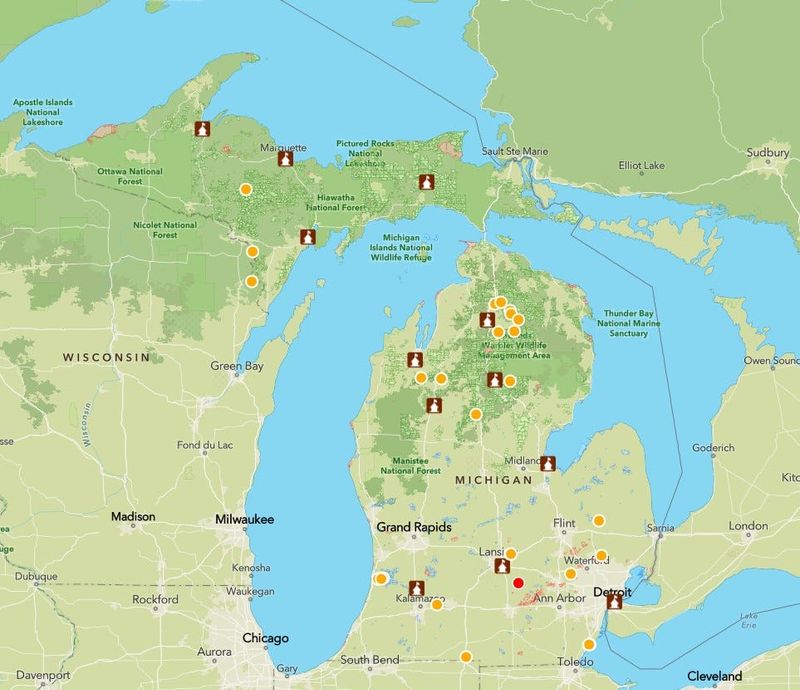
Michigan’s DNR released its interactive Mi-Morels map for 2026 — accessible on the DNR’s morel mushroom hunting webpage — which shows morel hot spots scattered across Michigan.
Red and yellow markers on the map represent 2025 burns or wildfires for a reason: morel mushrooms are likely to grow in burned areas, especially where jack pine, white pine or red pine trees previously grew.
Contact Sarah Moore @ smoore@lsj.com
This article originally appeared on Lansing State Journal: Morel season is in full swing. Beware of pretenders that can kill you
Reporting by Sarah Moore, USA TODAY NETWORK / Lansing State Journal
USA TODAY Network via Reuters Connect